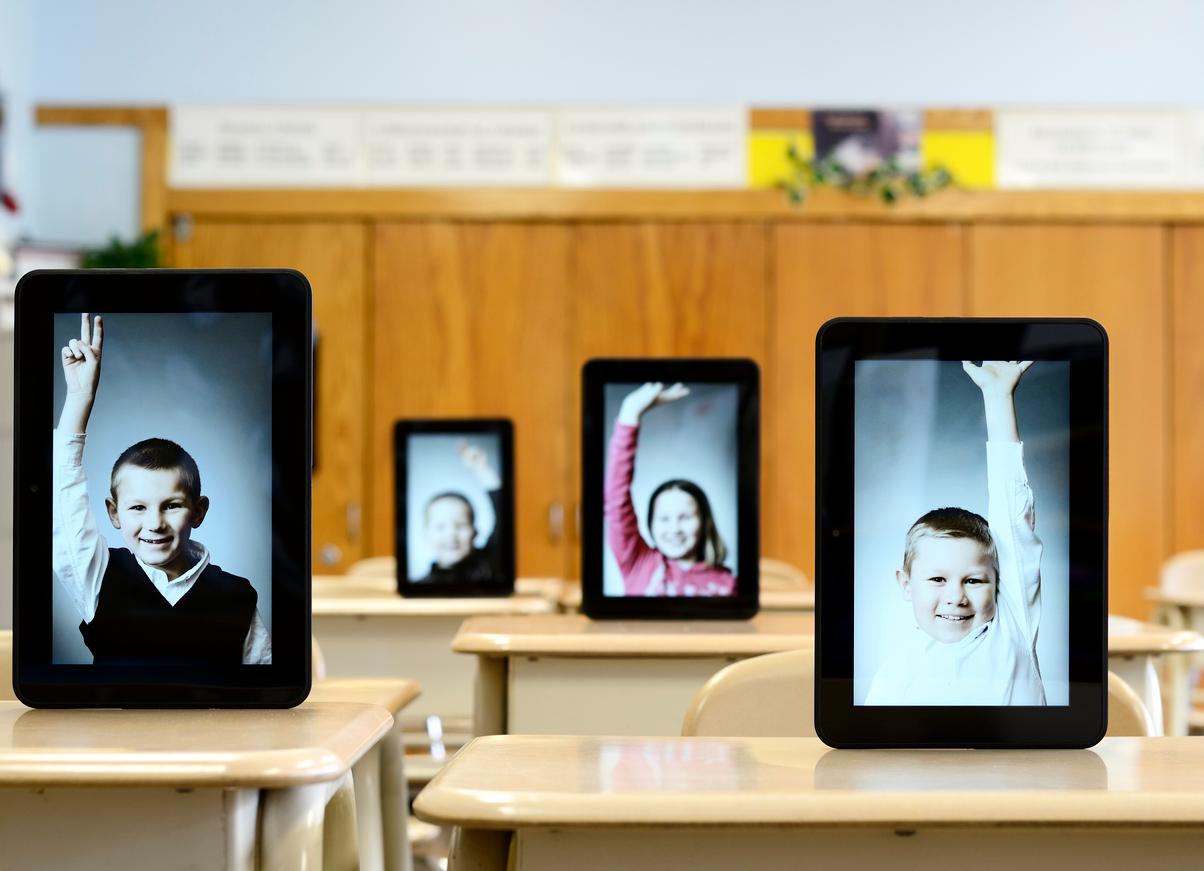
Innovative Learning Spaces
As technology advances and the world goes more digital, schools are embracing fresh innovations. Future schools will likely create learning spaces that truly support interactive and teamwork-based education. Many institutions are already adopting this exciting approach.
Instead of traditional classrooms filled with desks, these schools offer modular, easily rearranged rooms where students can collaborate or find quiet spots when needed. These versatile spaces boost creativity and teamwork skills, helping students thrive together.
Digital Learning Tools
Digitalization opens a new chapter in education by giving teachers and students access to interactive content and online platforms. Plenty of apps and websites already make learning more engaging and effective.
More schools are using tablets and smartboards, while virtual reality (VR) and augmented reality (AR) are finding their place in classrooms. VR, for example, lets students explore geography, history, or science without leaving their seats.
Personalized Learning
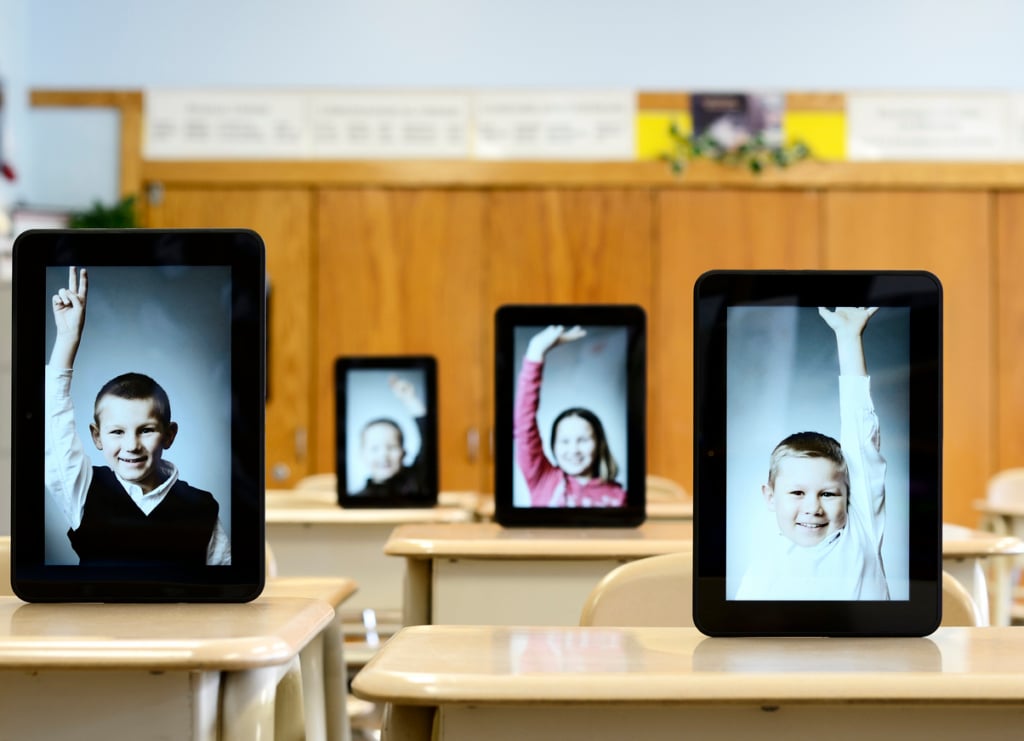
Future education will likely encourage personalized learning more than ever. To help every student grow at their own pace and follow their interests, education systems are focusing on tailored learning opportunities.
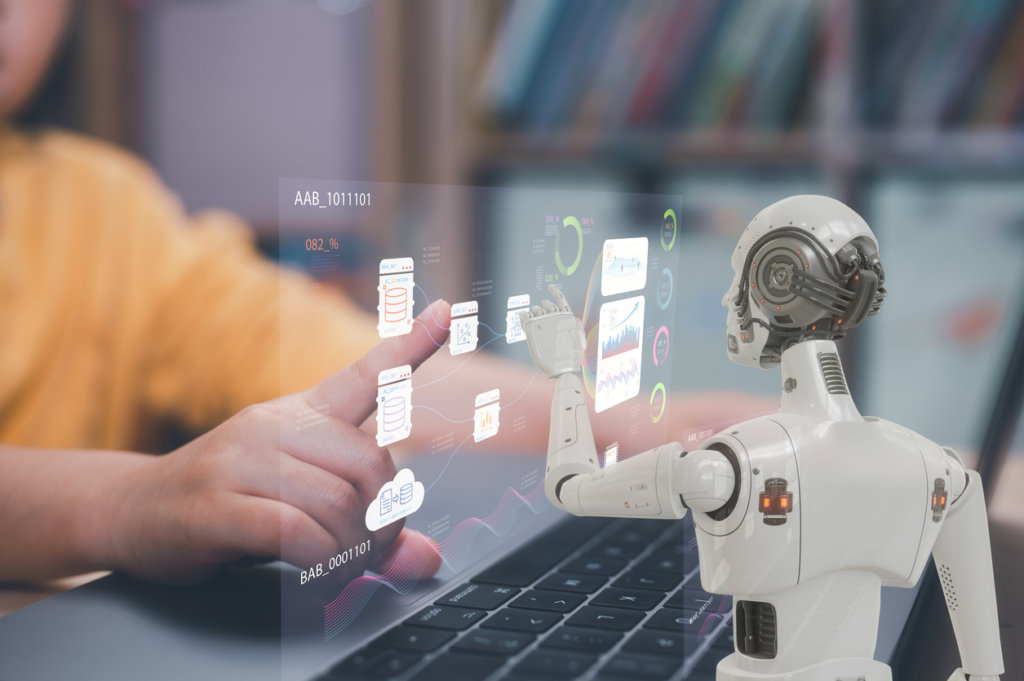
Artificial intelligence is already playing a role by identifying each student’s strengths and areas to improve, then focusing on the right learning materials. This makes learning more efficient and flexible.
Highlighting Community Learning
Modern education puts growing emphasis on community learning, where students not only get information from teachers but also teach each other. This approach builds teamwork and communication skills—key tools for the workplace.
These interactions deepen understanding and help students learn from one another. Community learning also encourages independence as students learn to organize and express their thoughts.
Sustainability in Education
To raise environmentally conscious citizens, future schools will prioritize sustainability. Some schools are already helping students understand the basics of sustainable living.
Sustainable menus in cafeterias, renewable energy powering school buildings, and active recycling programs are becoming everyday parts of student life. This nurtures responsible adulthood and makes environmental care a natural part of daily routines—not just a school subject.