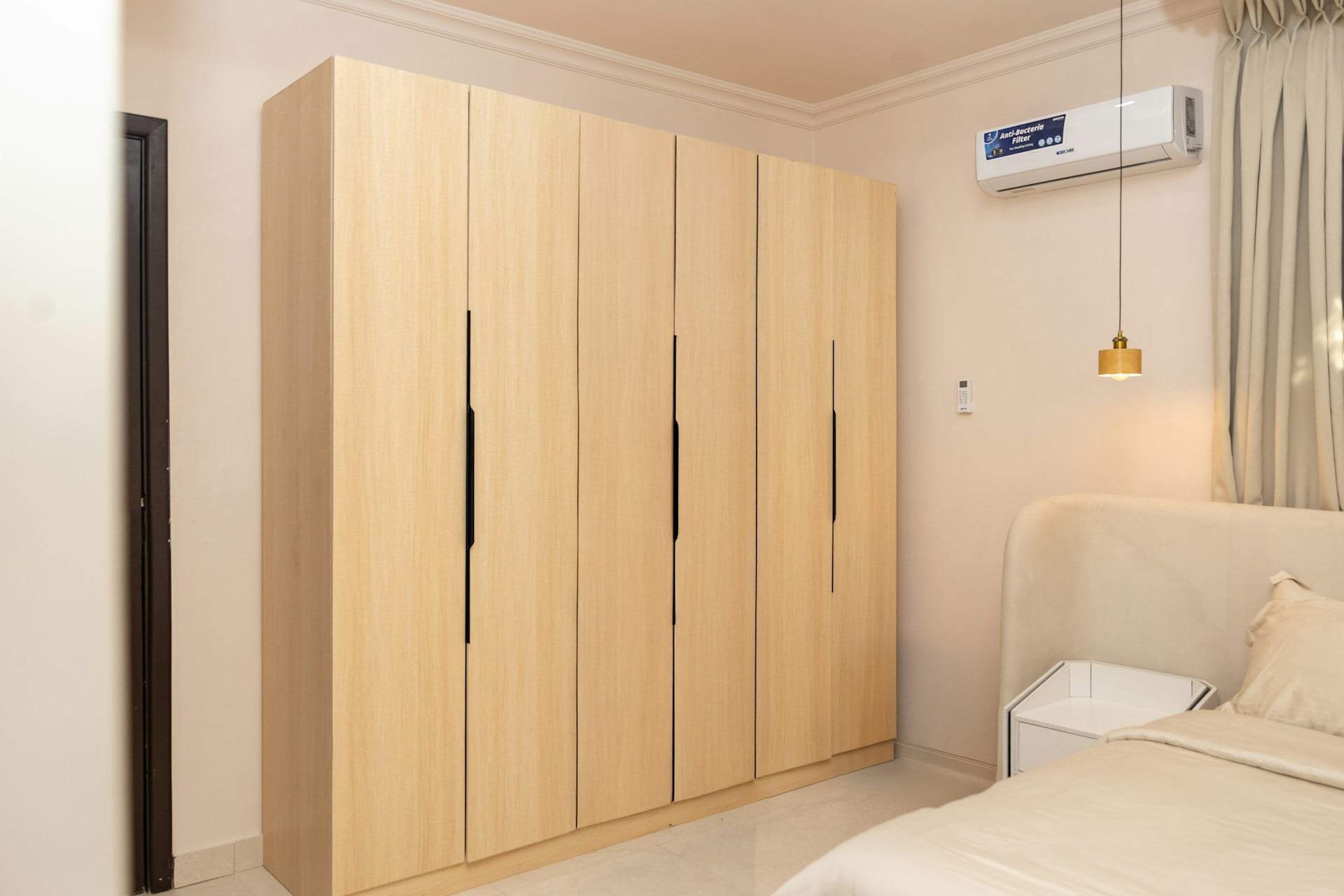
Cables are the honest obstacle. Run them behind furniture, along skirting boards with adhesive clips, and accept one well-placed extension lead rather than three stretched across a floor. A table lamp near a sofa only needs a socket somewhere in the same corner, not directly behind it.
What bulb makes a room feel warm rather than sickly yellow?
Look for bulbs described as warm white, usually around 2700 kelvin, rather than cool white or daylight, which belong in a garage. Just as important is brightness: in a lamp you want something gentle, not the highest-output bulb on the shelf, because a soft bulb inside a shade is what creates that pooling glow rather than a hard circle. And try to use the same warmth of bulb throughout one room — mismatched tones are the invisible reason some rooms feel slightly off, with one corner reading orange and another reading blue.
How many lamps does one living room actually need?
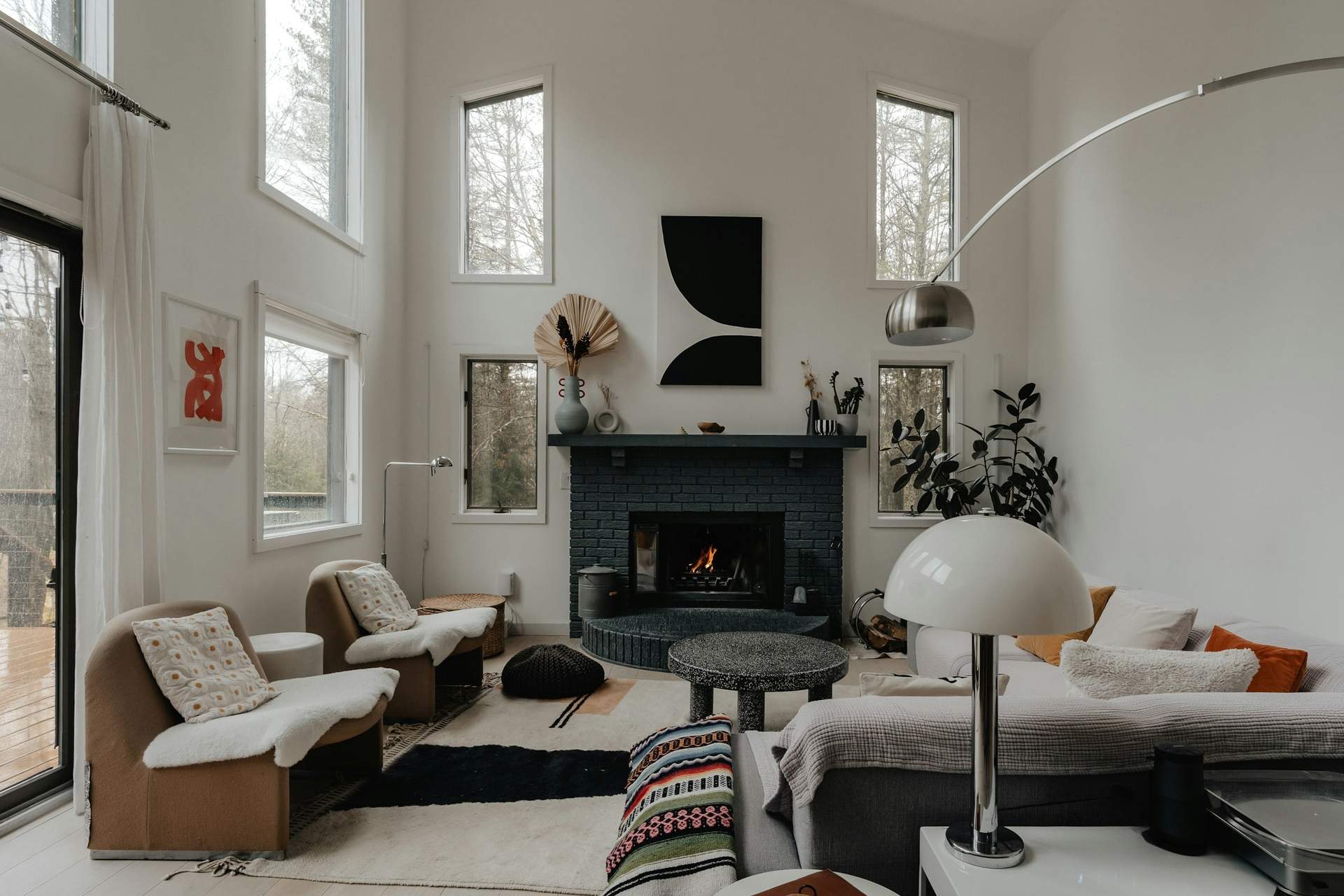
Three is the number where a room stops looking under-lit and starts looking considered: typically one tall or floor-standing light, one table lamp beside the main seat, and one smaller accent light across the room, so your eye travels rather than resting on a single bright spot. In a larger or open-plan space, four or five works better, because each seating area wants its own pool of light. Start with what you already own, move it around for a week, and only buy once you know where the dark corner really is.