Maybe no parent, after their child receives an autism diagnosis, hasn’t asked themselves at least once: why? While self-proclaimed experts often spread popular but scientifically unfounded theories, autism is not caused by vaccines, processed foods, or even early screen time.
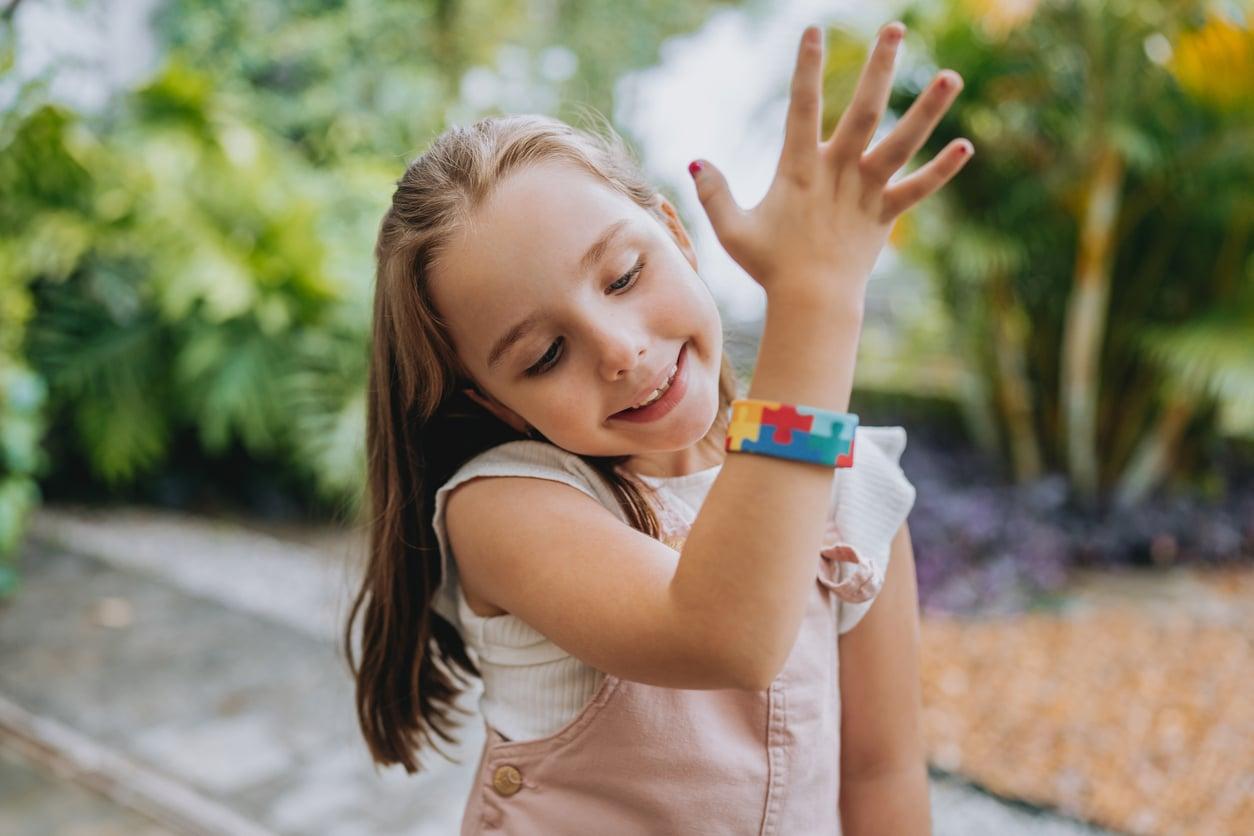
Autism spectrum disorder (ASD) is a developmental condition with a wide range of symptoms: speech and communication challenges, repetitive behaviors, sensory sensitivities or insensitivities — these all can be signs of autism, as each person’s unique brain wiring shows differently.
What causes autism exactly is a complex question, with many factors working together. In a recent analysis, psychiatrist Robert Klitzman breaks down what we know about autism’s causes, what we’ve ruled out, and where future research should focus.
Genetic Factors: New Mutations and Inheritance
One of the strongest, scientifically backed explanations for autism involves genetic variants.
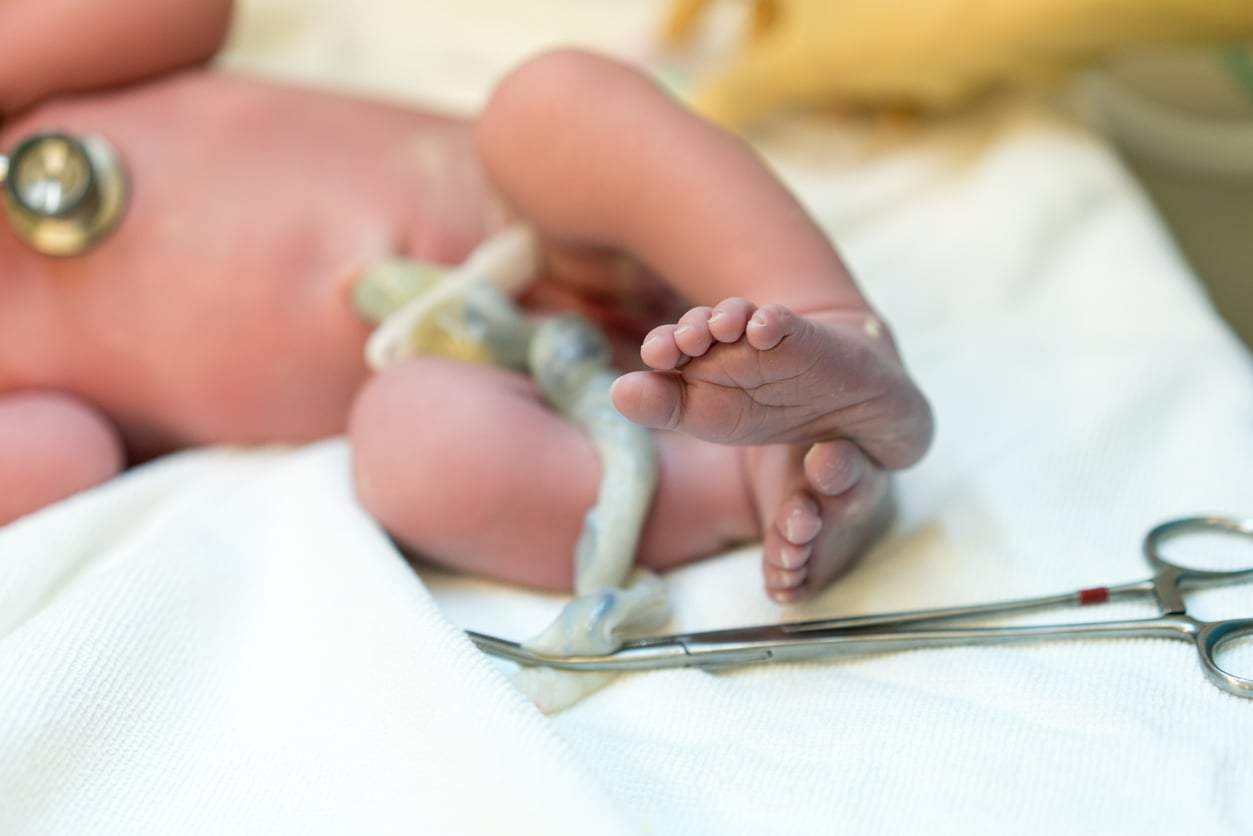
Often, autism isn’t just inherited from parents’ genes — there are so-called “de novo” mutations, genetic changes that arise during embryo development and aren’t present in either parent’s germ cells.
Not every genetic difference leads to autism, but these mutations increase the likelihood. Studies suggest that about 30% of autism cases may involve such new genetic variants.
Environmental Factors: Maternal Health and External Influences
Alongside genetics, various environmental factors influence who falls on the spectrum. For example, parents’ age matters — if either mom or dad was older at conception, the chance of autism spectrum disorder can increase.
Maternal health conditions like diabetes or obesity during pregnancy also raise risk. Infections during pregnancy, exposure to certain chemicals (like pesticides), and other environmental toxins may affect fetal brain development.
Some studies suggest that IVF procedures, especially ICSI (intracytoplasmic sperm injection), where sperm is directly injected into the egg, might slightly increase the chance of autism and intellectual disabilities, though this area still has many unanswered questions.
What Does NOT Cause Autism
It’s crucial to emphasize: vaccines do not cause autism. This myth has been debunked by numerous large, well-designed studies. The single study that claimed a link between vaccines and autism was later proven to be flawed and based on falsified data.
Why Does It Seem Like More Kids Are Being Diagnosed with Autism?
Autism diagnoses are rising worldwide — but that doesn’t necessarily mean more people are on the spectrum. Several factors contribute: broader diagnostic criteria now include more behaviors and abilities within the autism spectrum.
Medical and psychological screenings are more sensitive, catching cases that were previously missed. Socioeconomic and demographic differences also play a role: some communities have fewer diagnoses or receive them later.
What Can We Do? Treatment, Support, and Social Change
We now know autism has many causes — genetic, environmental, developmental. Understanding this isn’t just theory; it has real-world impact.
Early recognition and response are key: the sooner autism spectrum disorder is diagnosed, the more effective therapy and development can be. But it’s important to remember this won’t “cure” autism — it’s not an illness, but simply a different way of being.
The goal isn’t to change autistic children and adults, but to provide the help, support, and self-awareness they need to live happy, balanced lives in a world not designed for them.
This means educating society so neurodivergent people aren’t excluded but receive proper support, education, and services.