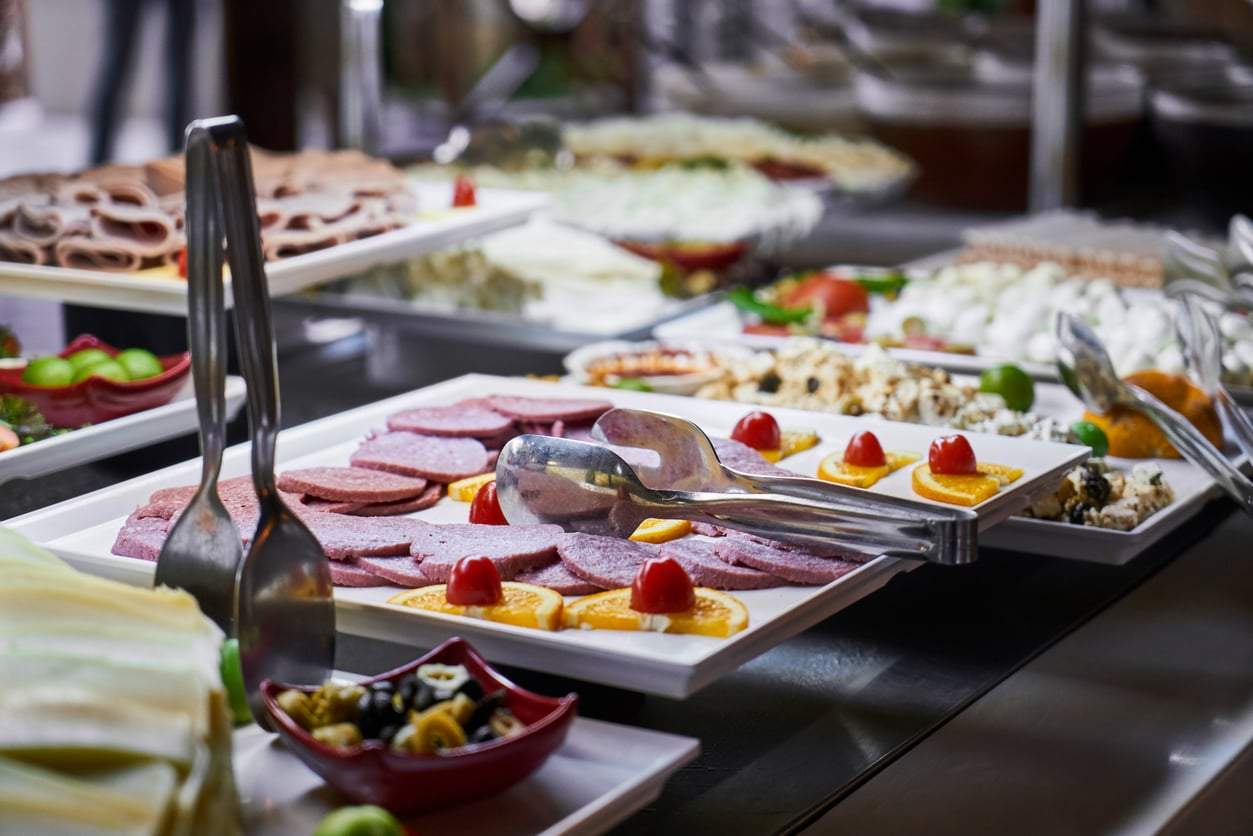
So, what does fasting really mean, and how does it fit into our diet? Let’s explore which foods to avoid and which ones you can enjoy confidently during this special time.
The Spiritual Meaning of Lent
Lent is a core part of Christian religious practice, commemorating Jesus’ forty days of fasting in the wilderness. Its purpose is to prepare believers for Easter, symbolizing resurrection and new beginnings. Giving up certain things and practicing self-discipline offers spiritual cleansing and a chance to deepen faith and renew the soul.
Which Foods Should We Avoid During Lent?
Traditionally, Lent calls for steering clear of certain foods. The most well-known is meat. Many Christians choose meat-free meals, especially on Fridays, as a meaningful act of self-restraint.
It’s also wise to limit rich, fatty foods that challenge willpower and often aren’t the healthiest choice. This season is a great opportunity to cut back on refined sugars and sweeteners, which can be addictive and may disrupt the goal of spiritual clarity.
What Can We Eat Freely During Lent?
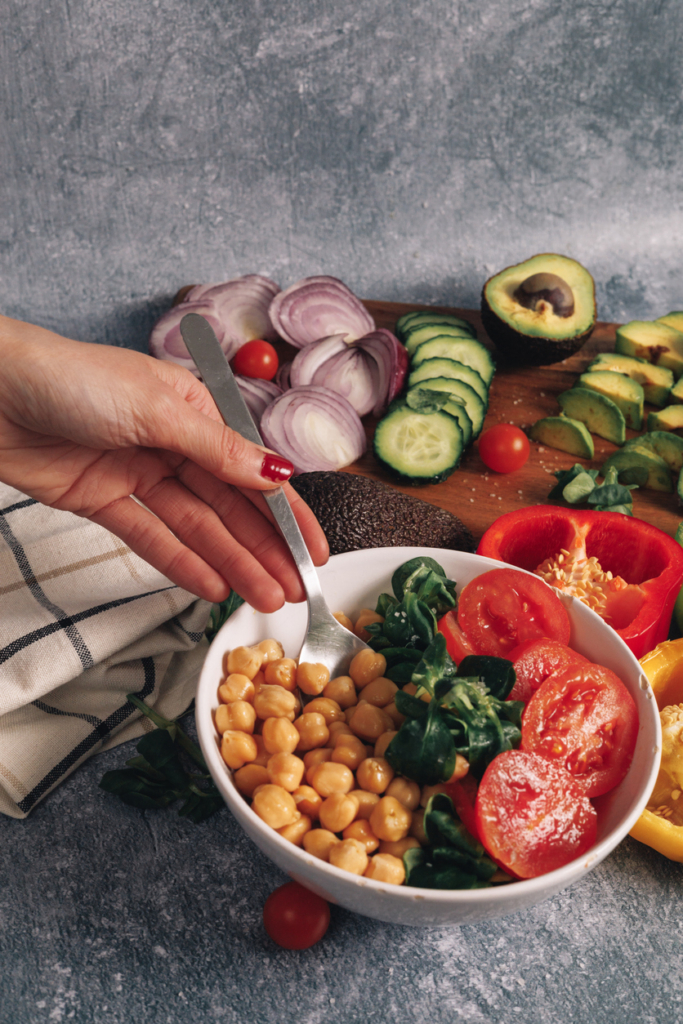
For those eager to experience Lent’s physical and spiritual benefits, plenty of healthy, nourishing options are available. Whole grains like brown rice and oats, along with whole-grain bread, provide steady energy and are easy to digest.
Plant-based proteins such as beans, lentils, and chickpeas make excellent meat alternatives, supplying essential protein without overloading the body. Plus, vegetables and fruits are essential—they’re packed with nutrients and support your body’s renewal.

The Spiritual Side of Eating
Fasting isn’t just about physical restraint—it’s also about spiritual cleansing. Avoiding certain foods gives us a chance to focus inward, tuning into our feelings and thoughts. This inner journey helps us connect more deeply with ourselves and reflect on what truly matters.
Alongside traditional religious fasting practices, consider adding activities that nurture your spirit, like meditation, prayer, or heartfelt conversations with friends and family.
Tips for Healthy Eating During Lent
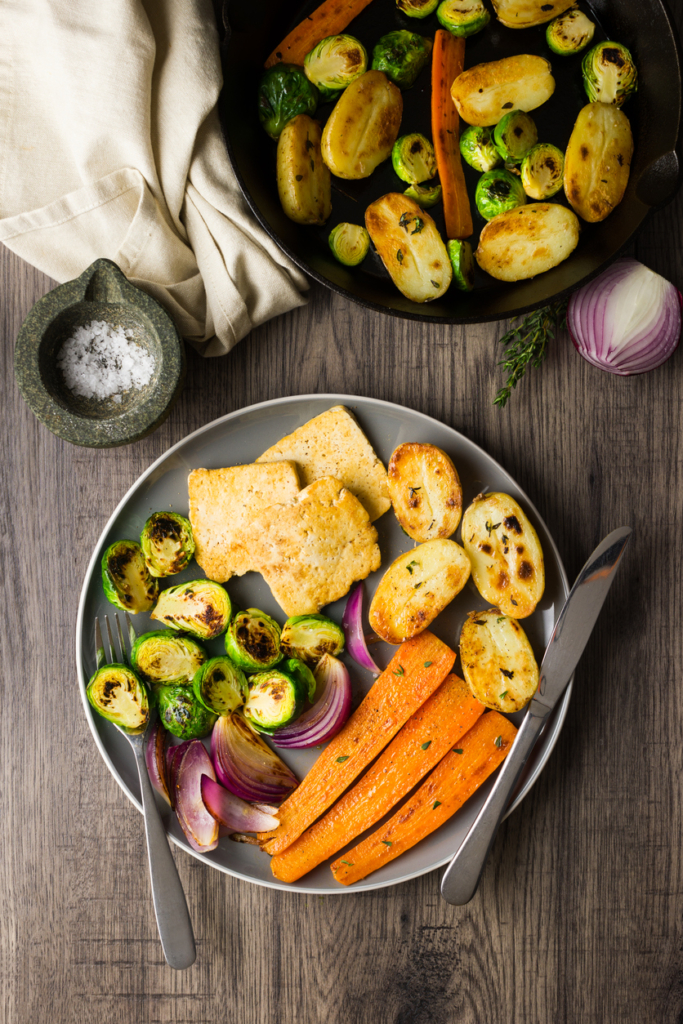
- Prep healthy meals ahead of time to avoid last-minute unhealthy choices when hunger strikes.
- Explore new recipes and ingredients to keep your diet exciting and your motivation strong.
- Get creative with spices to boost flavor without adding anything unhealthy.
- Set realistic goals for your fasting journey to keep it manageable and enjoyable.
Lent is more than physical self-discipline—it’s a wonderful opportunity for spiritual cleansing and re-evaluating our lives. Changing your diet during this time doesn’t have to be hard. On the contrary, it opens doors to exciting new ways to improve your health and enrich your inner world. Building healthy eating habits can help you greet Easter feeling balanced in body and spirit.