Rethink the formula and the amount
Full-coverage matte foundations are the least forgiving thing you can apply to skin with any dryness, and they tend to be what we reach for when we feel less confident about our complexion — a loop worth breaking. Cream and serum textures, applied thinly and built only where you want them, look more like skin because they let some of your own surface show through.
On amount: most of us use roughly twice what we need. Try a pea-sized quantity for the whole face, pressed in with a damp sponge or fingers rather than buffed in circles with a brush, then add a second small amount only around the nose and chin. Cream blush and cream bronzer over that will look more natural than powder versions, and they move with your face rather than sitting on top of it.
One more small thing that makes a large difference: wash your brushes and sponges. Product build-up changes how tools deposit and drag, and dirty sponges are genuinely the reason plenty of "bad foundation" is bad.
Why does my foundation settle into lines by midday?
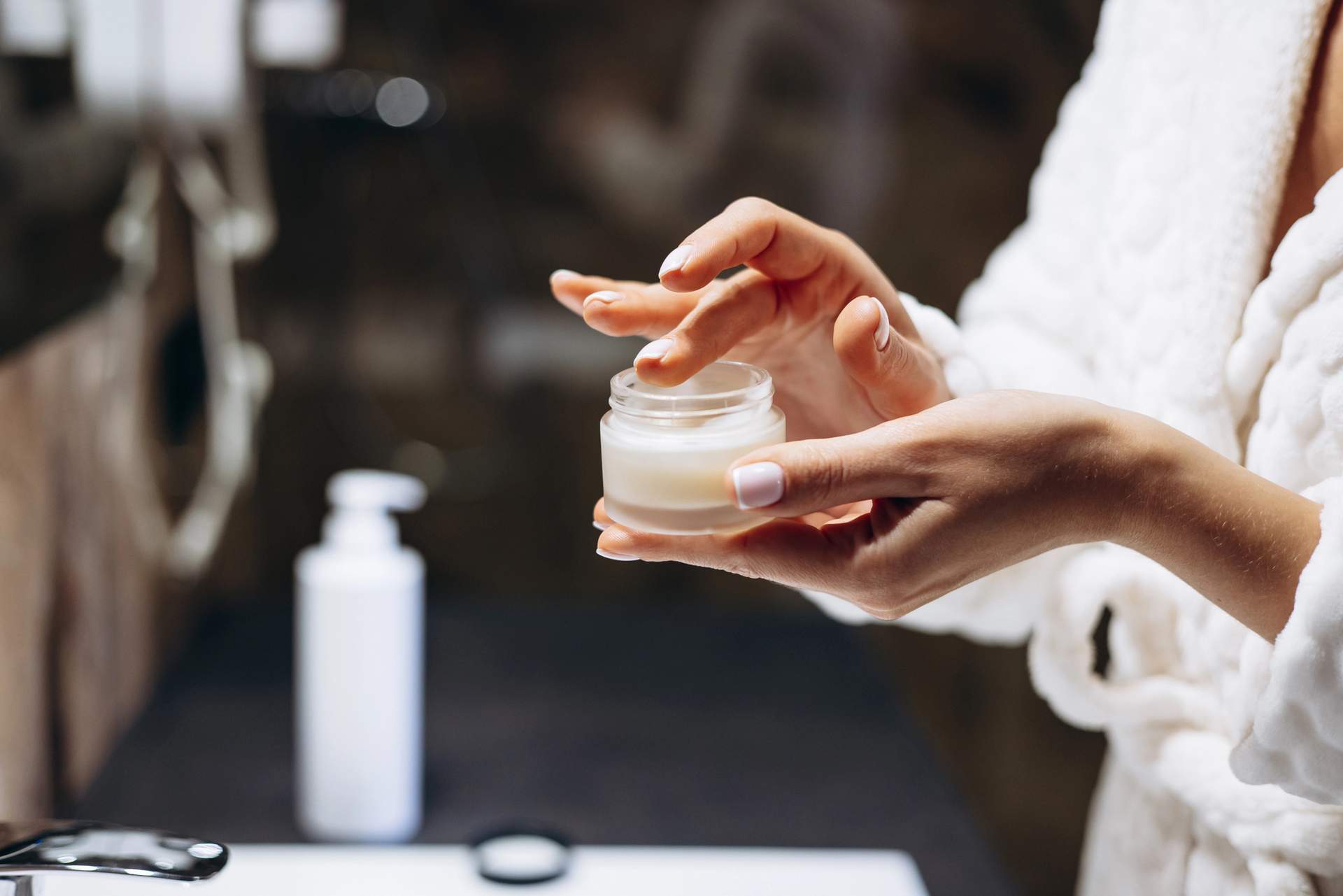
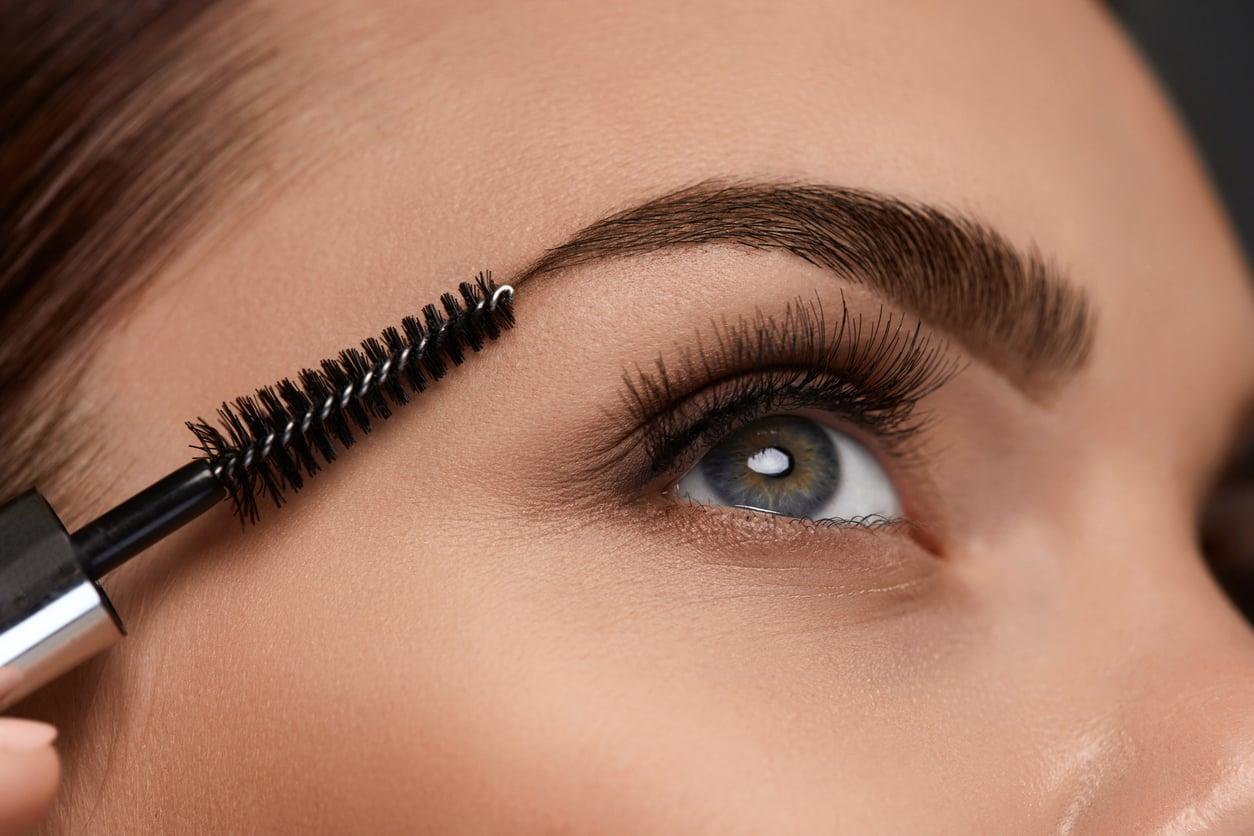
Usually a combination of too much product, too much powder, and applying onto skin that had not finished absorbing its skincare. Thin the layer, powder only the centre of the face, and give your moisturiser several minutes before you begin. If it still travels, look at your concealer: heavy, thick formulas under the eyes are the most common offenders, and a sheerer one patted on with a fingertip often solves it outright.
Do I need a primer, or is it my moisturiser?
Nine times out of ten a well-chosen moisturiser, properly absorbed, does what people hope a primer will do. Primer earns its place when you have one specific problem in one specific zone — visible pores around the nose, or a T-zone that goes shiny by eleven — in which case use it there and nowhere else. A whole extra layer across the entire face mostly adds slip, and slip is what made the makeup move in the first place.