In today’s world, where we’re obsessed with the latest trends, the idea that beauty equals smaller clothing sizes and thinness is deeply ingrained in all of us. Often, despite our best efforts, we feel we don’t measure up based on our clothes size. Being larger than average can stem from many causes. While diet and lack of exercise play a big role, certain health conditions and genetics also matter. The truth is, excess weight often signals something deeper that the outside world usually doesn’t see.
The Link Between Past Trauma and Excess Weight
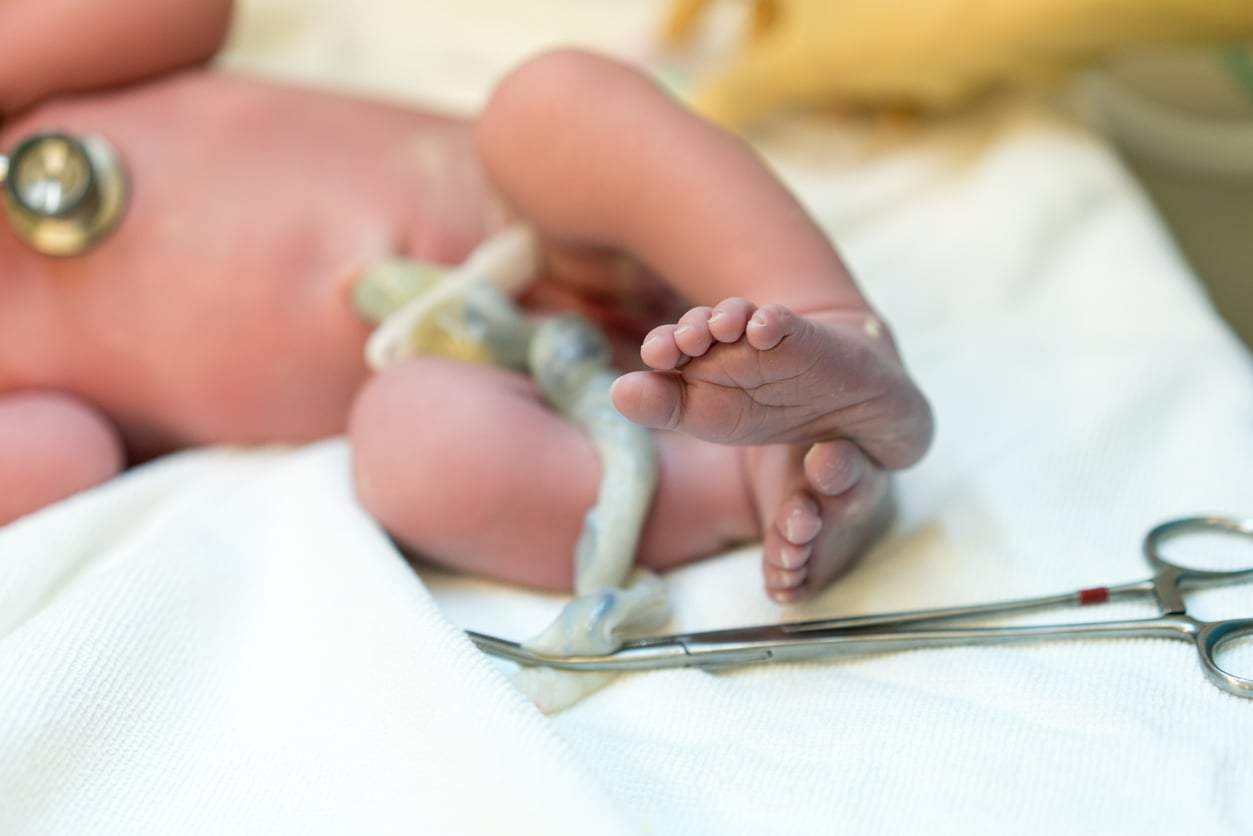
Unfortunately, excess weight sometimes develops as a result of trauma experienced in the past. Research shows that certain harmful childhood experiences can significantly affect how we see our bodies and contribute to weight gain. This includes abuse, feelings of neglect, or a negative and emotionally hurtful home environment.
A study involving over 9,000 people found that the risk of obesity increased by 11% with each additional negative childhood experience a person had.
To fully understand the connection between trauma and excess weight, we need to explore the relationship between our emotions, brain, and body. When we experience something traumatic, our brain reacts naturally by releasing hormones like cortisol and adrenaline.
These hormones protect us from danger and help us get through critical moments. But with chronic stress, sometimes we don’t properly process these events, leaving our bodies in a constant state of stress. This can lead to various health issues, including weight gain. During chronic stress, our body’s “fight or flight” response boosts metabolism and stabilizes blood pressure to help us cope. While this response is helpful short-term, it can’t last forever. If the body stays in this state, it becomes prone to weight gain and other health problems.

The Challenge of Emotional Eating
Another major factor is emotional eating. We all know the feeling: something unpleasant happens, and we try to cope by eating sweets or other comfort foods.
Emotional eating contributes to long-term weight gain and is a common issue for many who have experienced trauma. This cycle may bring temporary comfort and happiness but often leads to shame and more eating later on.
Recognize the Problem and Take Action
The most important step is to consider how past traumas affect your life, including weight changes. First, find a professional who can support you. Weight issues linked to childhood trauma usually can’t be solved by a quick diet or a few workouts at the gym. A therapist or psychologist can help uncover your past and understand how it shapes your present body and emotions.
You can also seek support in online forums or groups, where hearing others’ stories can help you manage your own challenges. This can inspire healing and reduce feelings of shame and isolation. Experts often recommend simple exercises you can do at home to address these issues.
For example, adding meditation to your daily routine can boost awareness of your thoughts and feelings, helping you identify and respond to emotional triggers. Guided meditation focuses on body awareness, self-compassion, and mindful eating, deepening your connection with your body and emotions.
It’s key to be kind to yourself and avoid self-blame, as this only blocks the healthy weight loss process. Focus on your mental, emotional, and physical well-being. This can include regular movement and nourishing foods, all in a way that feels enjoyable and sustainable—not punishing.
Finally, remember that weight loss isn’t just about dropping pounds—it’s about emotional growth. When we heal the root causes of excess weight, often tied to emotional trauma and unhealthy coping habits, our body and soul will thank us.