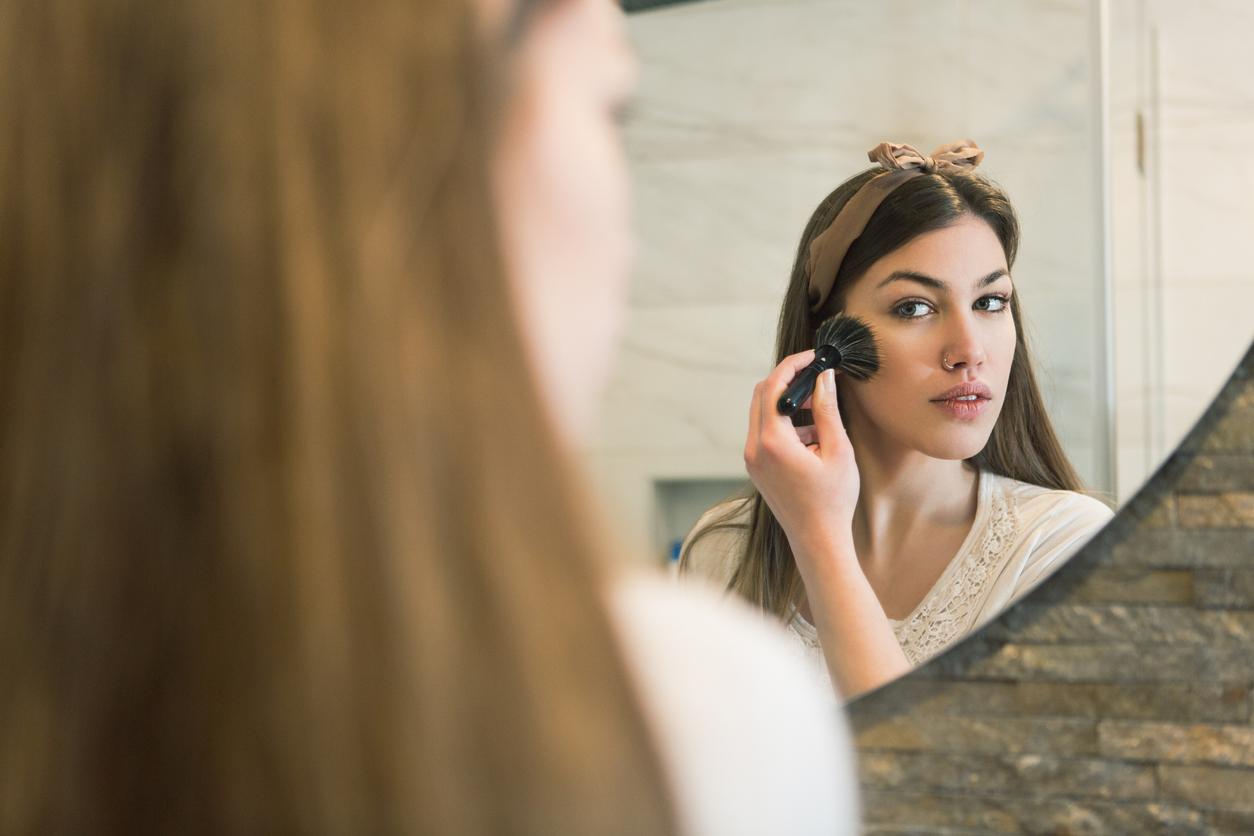
You spent time blending your foundation to perfection — and by lunchtime, it's already creasing, pilling, or looking patchy. Sound familiar? The problem rarely comes down to the foundation itself. More often, it's about what you do before you even open the bottle. Here's how to set yourself up for a smooth, long-lasting base from morning to night.
Start with properly prepped skin
Skin prep is the step most people rush — and it makes all the difference. Clean, well-hydrated skin holds foundation far better than skin that's been left dry or oily overnight.
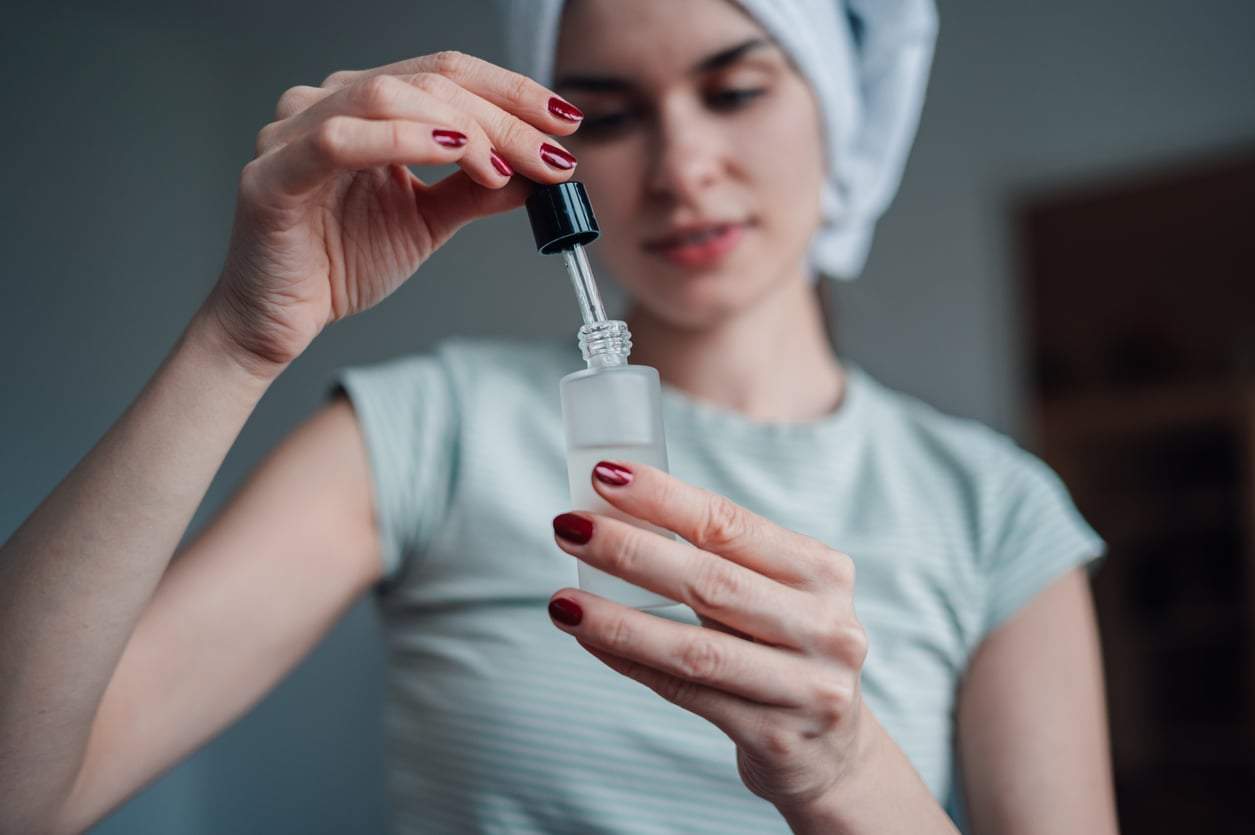
Begin your morning routine with a gentle cleanser to remove any impurities and refresh your complexion. Follow that with a toner to help balance your skin's natural pH — this primes the surface for everything that comes next, including your moisturizer.
Moisturizer matters more than you think
Skipping moisturizer — or using the wrong one — is one of the most common reasons foundation looks uneven. Dry patches cause the product to cling and flake, while an overly rich cream can make it slide right off.
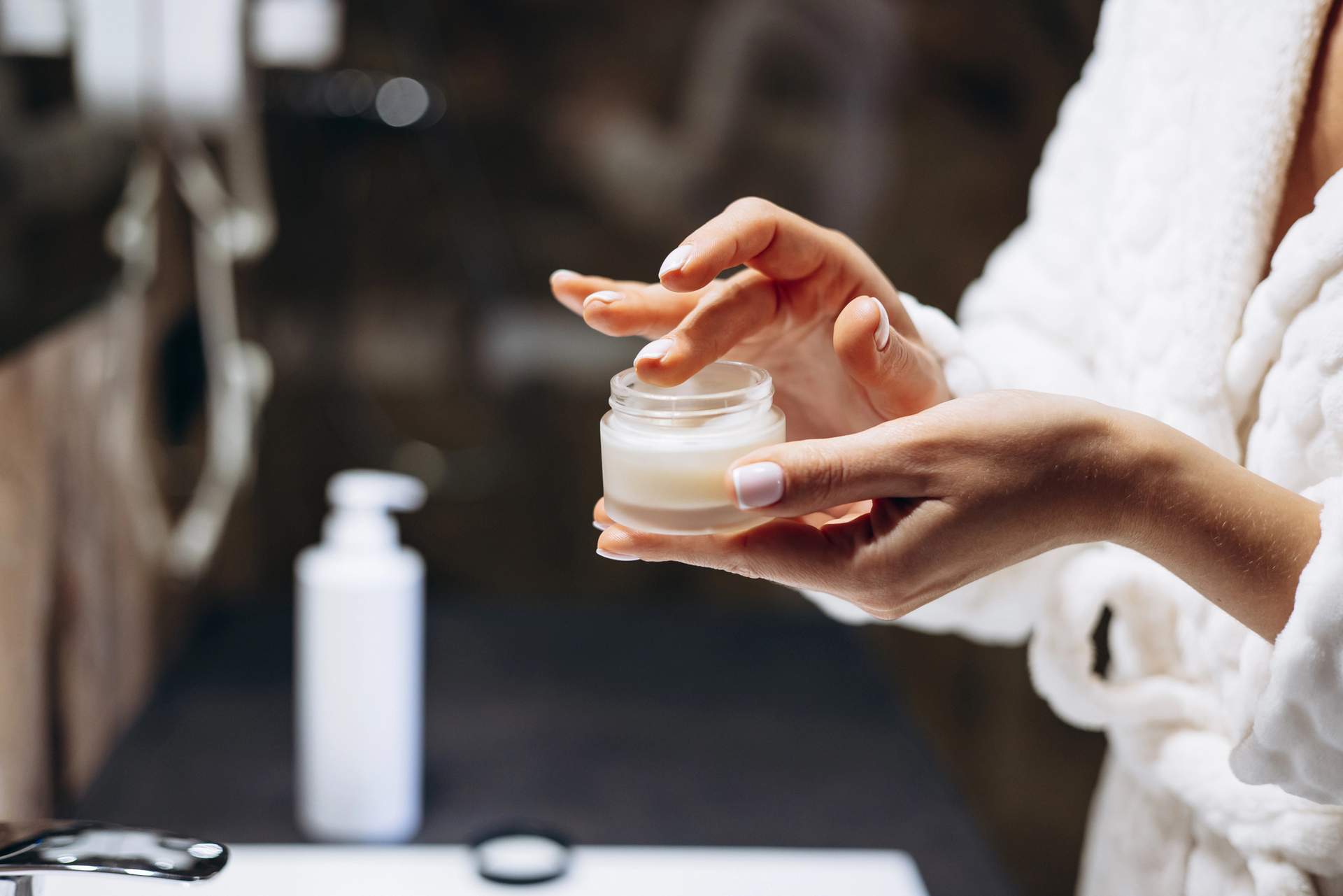
The sweet spot? A lightweight, fast-absorbing, ideally oil-free moisturizer that hydrates without weighing the skin down. Give it a minute or two to fully sink in before moving on to the next step. That small pause makes a big difference in how evenly your foundation applies.
Choose a foundation that suits your skin type
Not every formula works for every face. If you have oily skin, a mattifying foundation will help control shine and keep things in place. Dry skin types will benefit from a hydrating or dewy formula that adds moisture rather than stripping it. And if your skin is on the sensitive side, look for products that are fragrance-free and hypoallergenic — fewer ingredients means fewer chances of irritation.
Getting this match right from the start saves a lot of mid-day touch-ups.
Don't skip primer
Primer might feel like an optional extra, but it's genuinely one of the most effective tools for long-lasting makeup. A good primer minimizes the appearance of pores, smooths the skin's surface, and creates a barrier that stops foundation from settling into fine lines.
Match your primer to your skin type: a mattifying formula for oily skin, a hydrating one for dry skin. This one step can dramatically extend how long your makeup lasts.
Apply it after your moisturizer has absorbed and before your foundation — think of it as the bridge between skincare and makeup.
How you apply foundation changes everything
The tool you use matters just as much as the product. Sponges, brushes, and fingertips each give a different finish:
- A damp beauty sponge blends foundation seamlessly and gives a natural, skin-like result — great for everyday wear.
- A foundation brush offers more precision and is ideal if you want buildable, fuller coverage.
- Your fingertips can work well for lighter formulas, as the warmth of your skin helps the product melt in naturally.
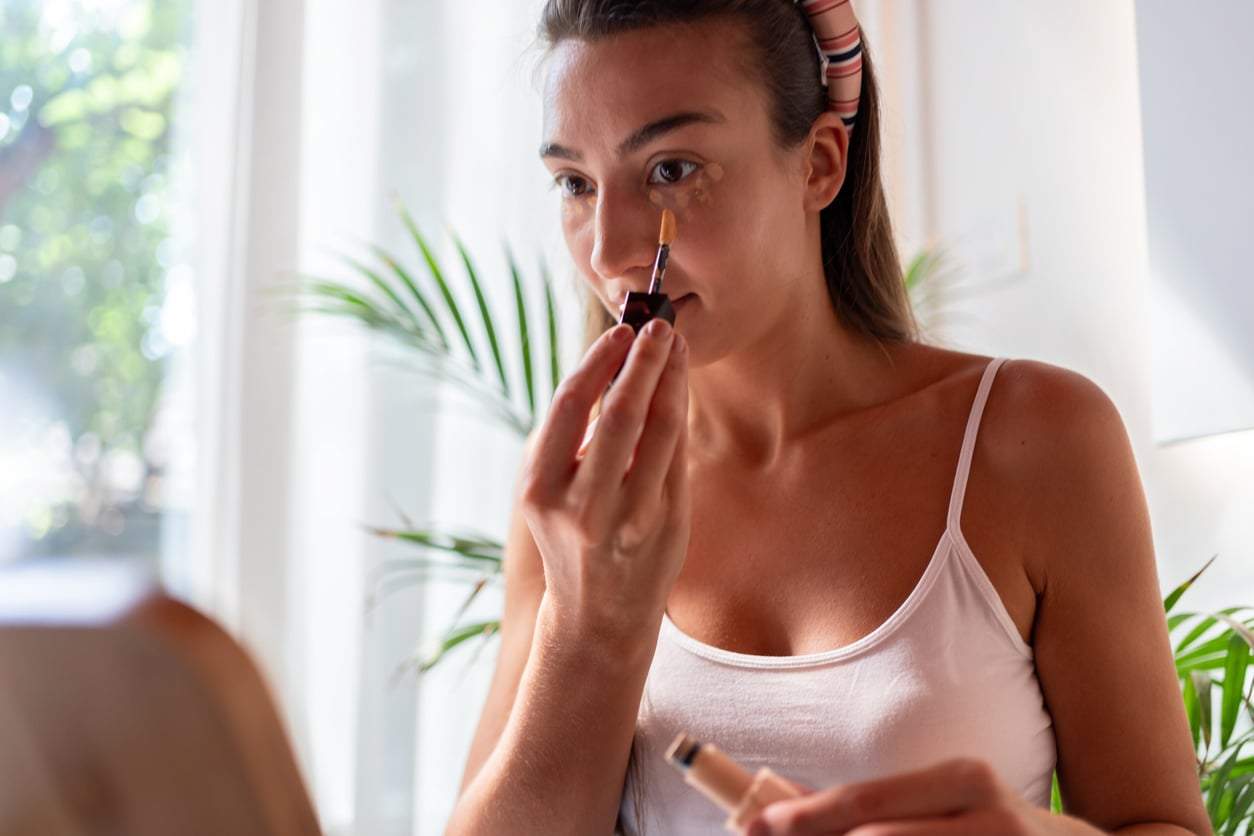
Whichever tool you choose, work in light layers rather than applying everything at once. This prevents the product from looking heavy or cakey.
Set it — and make it last
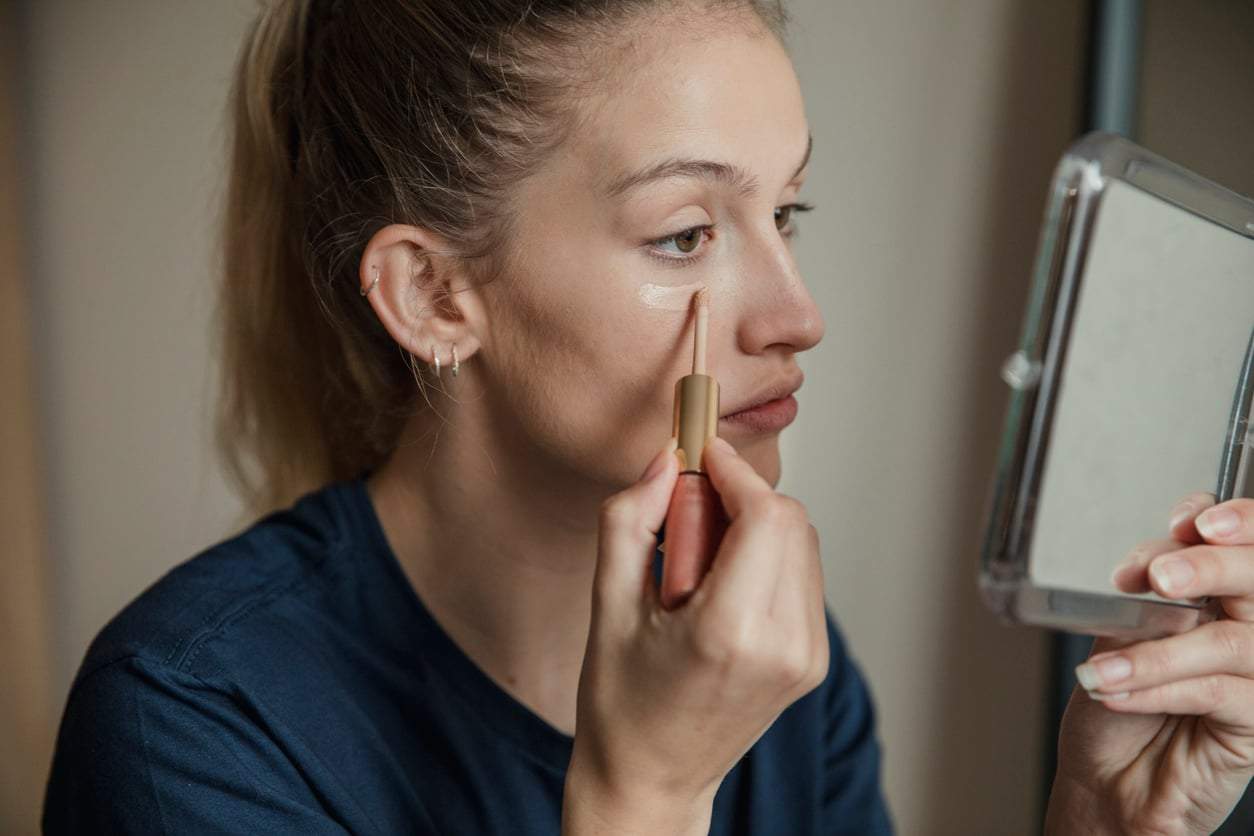
Once your foundation is applied, setting it properly is what keeps it in place for hours. A translucent setting powder is a classic choice — it locks in your base without adding extra color or weight. Focus on areas that tend to get oily or crease, like around the nose and under the eyes.
For extra staying power, finish with a makeup setting spray. It helps everything meld together and gives your skin a fresher, more natural look — while keeping your makeup intact well into the evening.
Common mistakes worth avoiding
A few habits can quietly sabotage even the best foundation routine:
- Applying too much product at once — this is the number one cause of pilling and caking. Build coverage gradually.
- Skipping prep steps — every layer of your skincare routine plays a role in how your makeup behaves. Rushing through them shows.
- Not letting products absorb — layering too quickly means products mix instead of settling, which leads to uneven texture.
Small adjustments to your routine can make a surprisingly big difference. Once you get the prep right, your foundation will look just as good at the end of the day as it did when you first applied it.