Work plays a huge role in shaping our lifestyle, including all its forms and consequences—especially our daily work schedules. For those who don’t work the classic nine-to-five shift, biorhythm disruption often becomes a problem, potentially leading to serious long-term health challenges. In this article, we’ll explore how disruptive work hours affect your body and mental health, and what strategies you can use to reduce these negative effects.
The Link Between Biorhythm and Work Hours
Your biorhythm is your body’s natural internal clock, influencing sleep, alertness, hormone levels, and many other physical processes throughout the day. When work hours don’t align with your natural circadian rhythm—like during evening or night shifts—your body struggles to adapt, which can cause various health issues.
Studies show that night shift workers face higher rates of sleep disorders, obesity, diabetes, and cardiovascular diseases. Rotating shifts that disrupt regular sleep patterns also impact cognitive functions like memory and attention.

A Dutch study involving over 11,000 participants (Lifelines Cohort Study) revealed that night shift work significantly affects how the body functions.
Those who regularly worked nights—especially at least five times a month or multiple consecutive nights—showed a higher body mass index (on average +0.8 kg/m²) and larger waist circumference (on average +1.6 cm), along with increased white blood cell counts linked to inflammation and immune response.
This means that long-term biorhythm disruption can lead not only to fatigue but also to metabolic disorders, weight gain, and inflammation. Interestingly, those who had worked shifts for 20 years showed milder differences—likely because only those whose bodies adapt well can sustain such schedules long-term.
Ways to Restore Your Biorhythm
Even though work hours can disrupt your biorhythm, there are several ways to support your body’s natural rhythm. First, it’s important to understand that you probably can’t completely eliminate biorhythm-disrupting factors, but you can take steps to ease their impact.
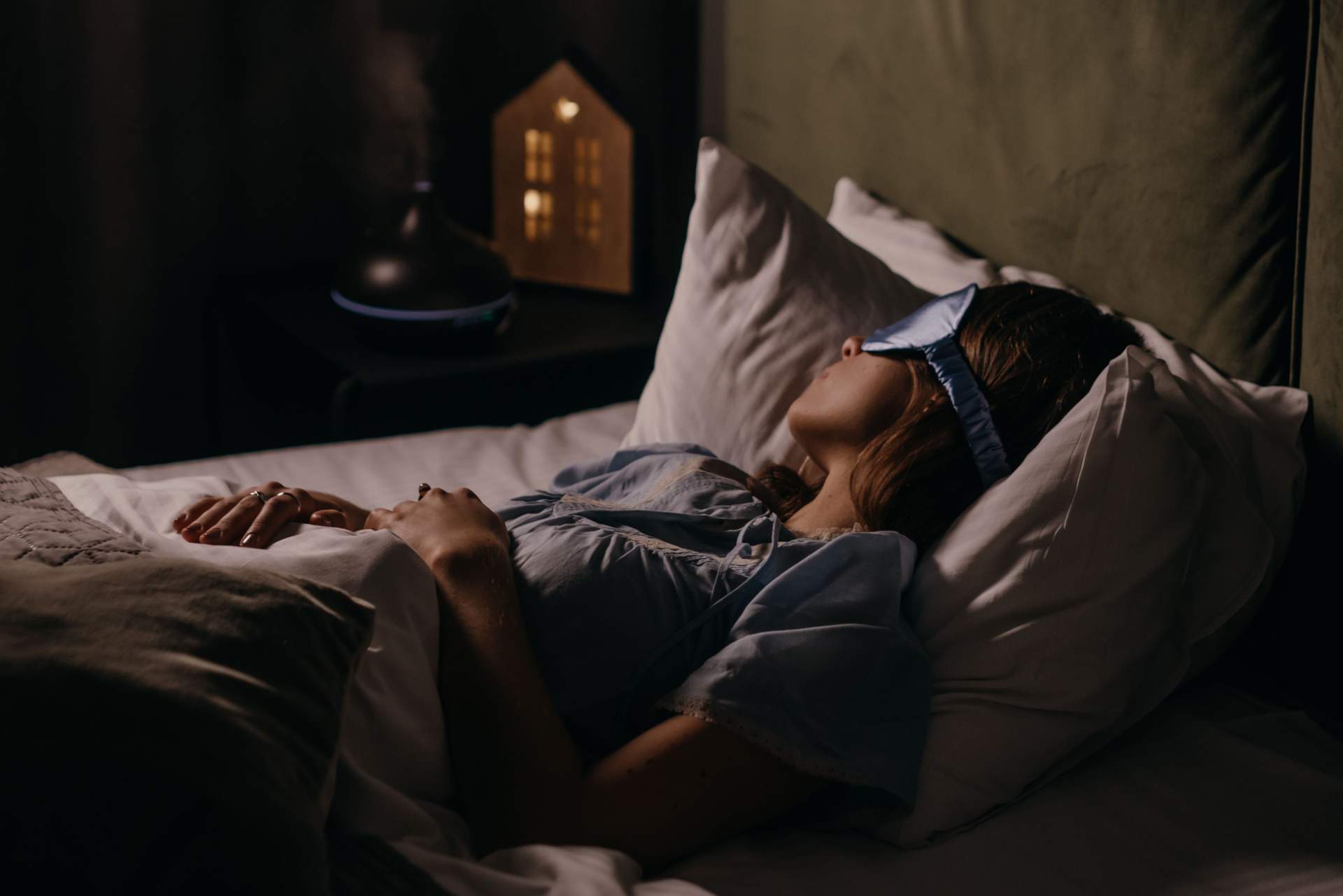
One effective approach is creating a sleep-friendly environment. Use blackout curtains and soundproof your room to block daytime distractions when you’re trying to rest after a night shift. Reducing light exposure is key since light strongly influences your circadian rhythm.
The Role of Diet and Exercise
Healthy eating and regular exercise are also crucial for managing your biorhythm. Time your meals to fit your work schedule and keep your eating habits consistent—this helps your body adjust to unusual hours.
Exercise boosts your energy levels and improves sleep quality. Many skip workouts due to fatigue, but gentle, regular movement actually increases vitality and helps counteract the physical effects of irregular work hours.
Managing Stress, Rest, and Social Life
Managing stress and getting enough rest are essential for maintaining your biorhythm. Workplace stress is an unavoidable risk that can worsen health issues caused by night work. Find relaxing activities that work for you—like meditation, breathing exercises, or reading a good book.
Also, keeping up with your social life and nurturing friendships and family bonds is vital for emotional balance. Emotional support and social connection help reduce feelings of isolation, which night workers often face.