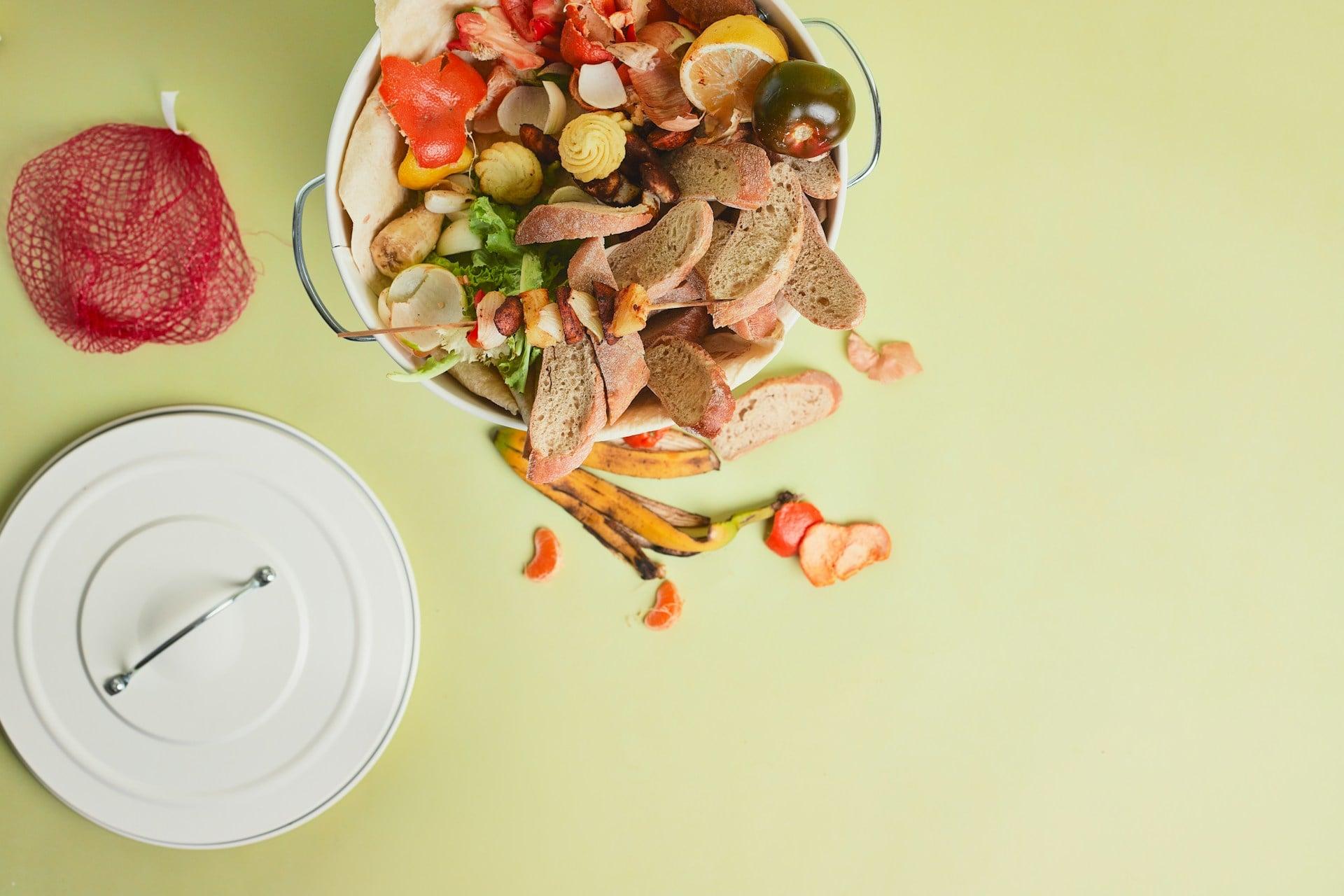
Food waste. It might seem like an abstract concept to many of us, but the truth is, we’re all part of this challenge—whether we realize it or not. In this article, we’ll focus on how much food an average Hungarian family of four might waste and share simple ways to cut down on it.
Alarming Food Waste Stats
According to Hungary’s Central Statistical Office, about 1.8 million tons of food end up in the trash each year. A 2019 study found that the average Hungarian household throws away around 68 kilograms (150 lbs) of food annually.
This means a family of four wastes roughly 10 kilograms (22 lbs) of food every month.
This isn’t just an environmental burden—it hits the wallet too. Food waste can cost a family several hundred dollars a year, adding up to about $40-$45 a month. So, cutting down on food waste isn’t just good for the planet; it’s a smart way to save money.
Why Do We Waste So Much Food at Home?
So, why does this happen? There are many reasons. One common cause is buying or cooking too much food that we can’t finish in time. It’s also easy to forget about items tucked away in the back of the fridge that spoil before we get to them.
Improper storage plays a big role too. Food can spoil faster if it’s not kept at the right temperature or if different types of food affect each other when stored together.
How to Cut Food Waste in Daily Life
Start by shopping smarter. Make a list and stick to it to avoid impulse buys. Planning your meals for the week helps you buy only what you really need.
Don’t forget about leftovers—they’re a goldmine! It’s way more economical to reinvent leftovers than toss them. For example, turn Sunday’s roast into Monday’s sandwich or salad.

Build New Habits to Reduce Food Waste
Changing how you store food can make a big difference. Follow the “first in, first out” rule in your fridge and keep the temperature just right to keep food fresh longer.
Pay attention to food labels and practice “consume by condition.” Don’t rely solely on expiration dates—check the food’s quality, as many items are still good to eat after the date.
Smart Meal Planning and Sharing with Your Community
Thoughtful meal planning helps keep your diet varied and healthy while cutting waste. Planning ahead means less food gets forgotten or thrown out.
Many community initiatives let you share extra food with others or donate to charity. Joining these is a great way to turn surplus food into something meaningful instead of waste.