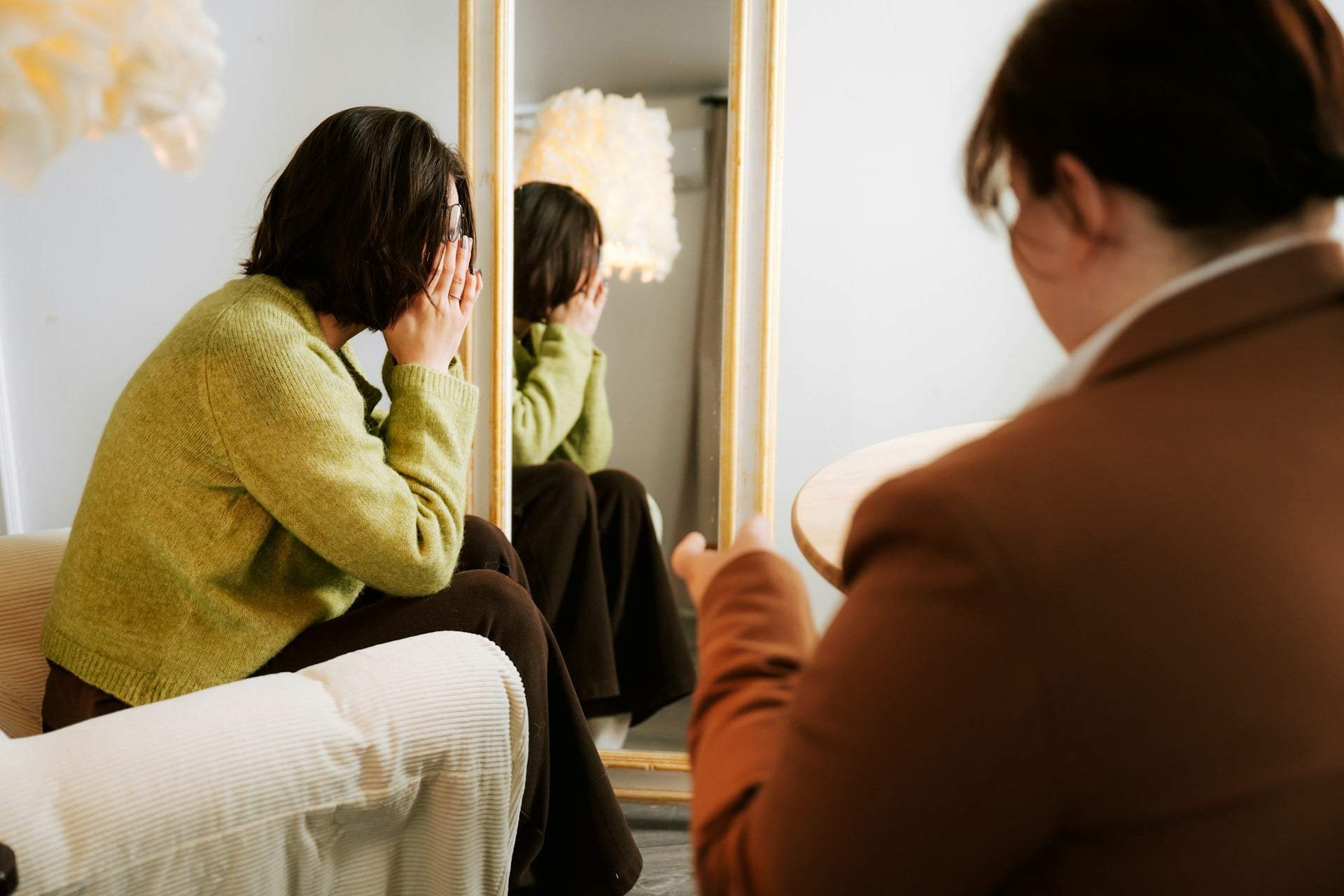
You’d think loneliness is easy to spot. After all, it’s a feeling, right? But a recent study shows many women live with loneliness without even realizing it. And if this sounds familiar, both your mind and body could be feeling the effects.
A new survey by AARP, involving about 3,300 American adults, found that 37% of women and 42% of men identify as lonely. But the research didn’t stop there: it revealed many feel lonely even if they don’t consciously recognize it.
This was measured using the UCLA Loneliness Scale, which asks 20 indirect questions about how connected or isolated someone feels in daily life.
Why Talking About This Matters
Loneliness isn’t just about feeling down or empty. According to the CDC, long-term loneliness raises the risk of heart disease, type 2 diabetes, depression, and dementia. In other words, it’s not something that just goes away on its own—it can have serious health consequences. But how can someone be lonely without even realizing it? And what can you do about it?

How Loneliness Sneaks Into Your Life
“It’s just human nature,” explains clinical psychologist Aaron P. Brinen. “We see the same with depression, anxiety, or even psychosis: they don’t hit overnight. Loneliness doesn’t strike like lightning either—it slowly creeps into people’s lives.”
Small feelings of isolation are easy to brush off—especially when life gets busy—but they add up over time. While men’s loneliness has gotten a lot of attention lately, research shows women and men are affected in roughly equal numbers. The difference is that men’s loneliness tends to get more spotlight in public conversations.
Women often carry the extra weight of caregiving. “Many women bear the burden of caring—for children, aging parents, or managing family emotions—which can easily lead to isolation,” says Brinen. Clinical psychologist Thea Gallagher adds that women often put their own needs last. “Many feel guilty about self-care or think they don’t deserve it. This leaves less time and energy for connection, and they’re less likely to stand up for themselves.”
When Relationships Quietly Fade Away
Loneliness often goes hand in hand with drifting apart from others. We get too busy, forget to reply, avoid calls, or just feel too tired to meet up. Eventually, friends reach out less often too.
“We slowly get comfortable in this state without realizing the damage it can cause,” Brinen points out. Part of the problem is that we often overvalue female independence. “We switch into a hyper-confident, do-it-all-alone mode, thinking we have to handle everything by ourselves. Meanwhile, we don’t notice we’re getting lonelier.” Gallagher often assigns asking for help as homework to her clients.

The Telling but Often Hidden Signs of Loneliness
Loneliness affects everyone differently, but experts say there are common warning signs.
- Social life feels stressful. If it’s been a while since you’ve been around people, the thought of reconnecting can cause anxiety. “It’s easy to think others don’t want to be with you, and your inner walls just get higher,” says Brinen.
- You don’t reach out. You think about messaging someone but end up watching a show or podcast instead. “Ask yourself: do I really want this, or does connecting just feel like too much effort?” recommends the expert.
- You hide behind introversion. Introversion is real but not the same as loneliness. “Many tell themselves they don’t need friends, but deep down, they’re lonely,” warns Gallagher.
- You just don’t feel right. Low energy, irritability, restlessness, and sadness often come with loneliness. Psychologist William Chopik advises tuning into your body’s signals, especially if meaningful connection has been scarce lately.
- You’re not making new friends. Friendships come and go as life changes—that’s natural. Trouble starts when old friendships fade without new ones taking their place.
- You crave connection but don’t act on it. If you want connection but don’t take steps, it’s often a sign of loneliness.
What You Can Do About It
Gallagher says the first step is an honest check-in. How often do you see people? Do you reach out or cancel plans? What do you do to build community?
If busy days get in the way, try making social connections part of your self-care—not a luxury, but a basic need.
Start small. A message, a coffee, or a quick chat all count. “You don’t have to plan a big dinner right away. Small steps are easier,” says Brinen. Joining groups, classes, or communities that match your interests can also help in new environments.
It’s also important not to treat loneliness in isolation. “It often comes with other mental health challenges like anxiety or depression. Easing those can open the door to connection,” adds Chopik.
Experts agree loneliness shouldn’t be taken lightly. “This isn’t just a passing rough patch—it can have real physical effects. And that matters,” emphasizes Brinen.