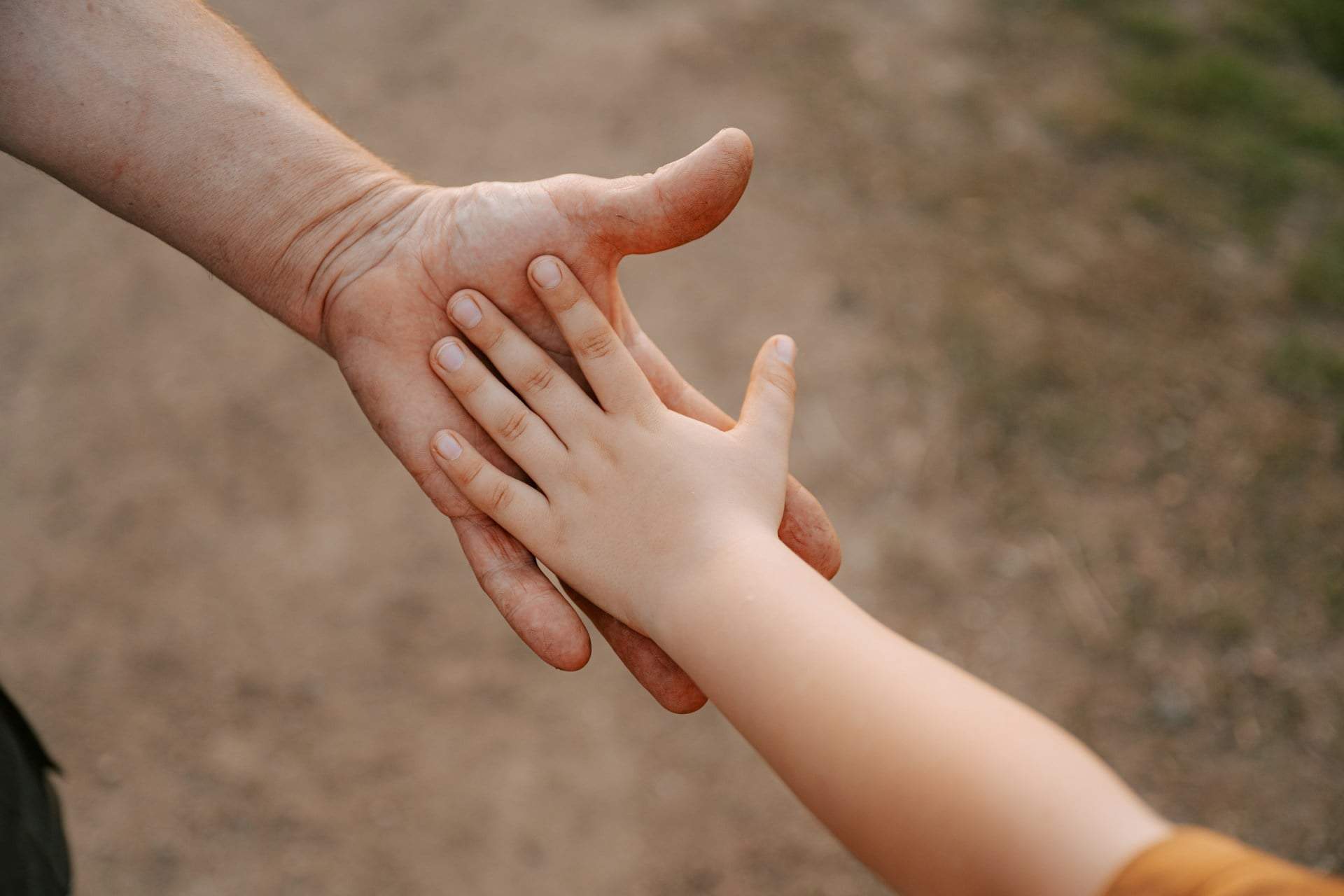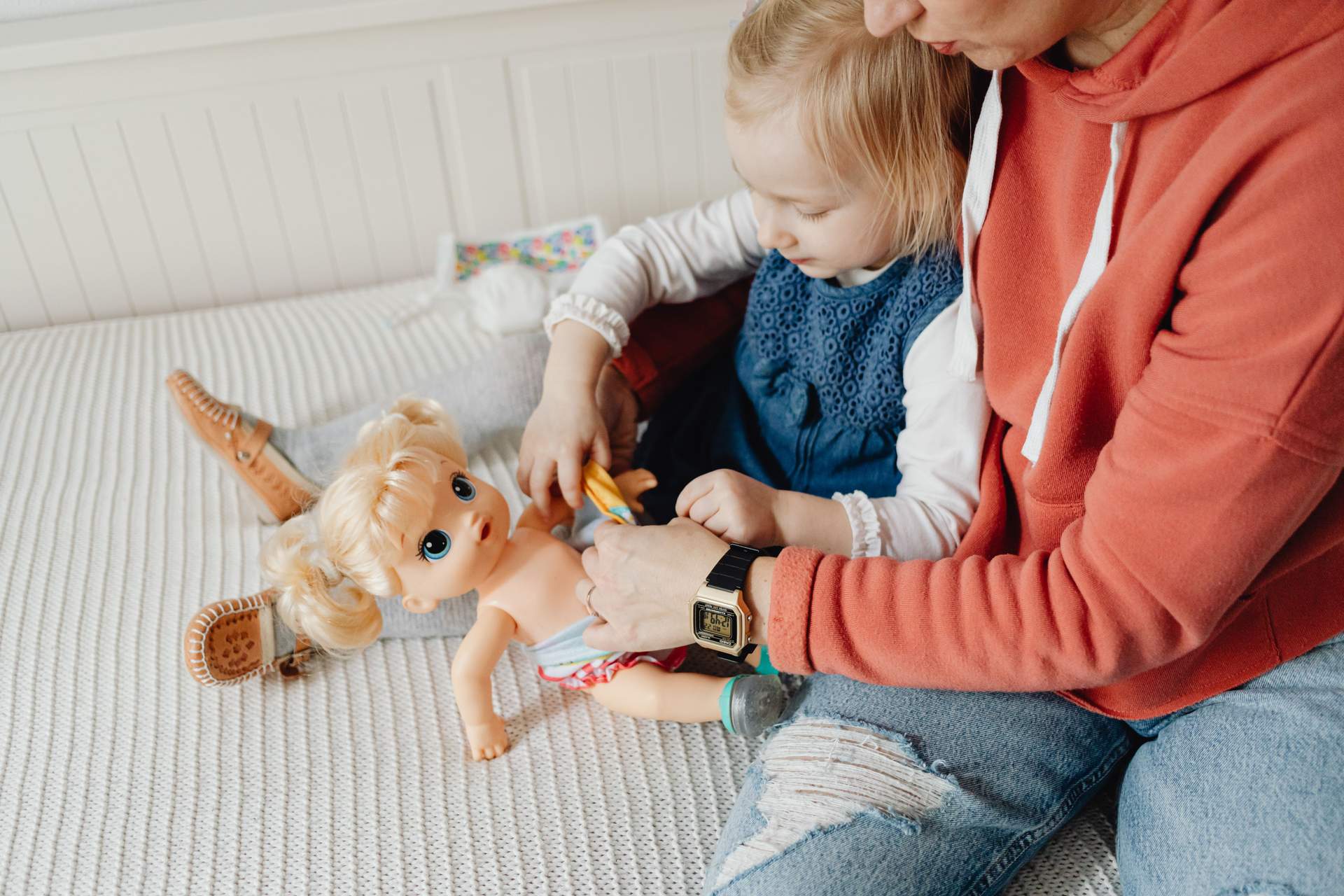
For many parents, it can be tough when their child doesn’t like giving or receiving kisses and hugs—especially since adults often express love this way. While showing affection feels natural to many of us, not every child craves or enjoys it. Psychologists remind us that this behavior isn’t necessarily a problem but an opportunity to better understand your child’s unique feelings and needs.
It’s normal for kids to resist intimacy
Children grow at their own pace, and some naturally prefer more alone time or personal space. As Dr. Gary Chapman, creator of the love languages concept, points out:
“We all like to feel love in different ways. For a child, feeling safe might come more from words or actions than from physical touch.”
Chapman’s insight helps us see that during emotional growth, kids might temporarily avoid touch.

Understanding why your child dislikes hugs
Parents should explore what might be behind their child’s behavior. Is there a negative experience? Or is the child naturally more introverted? Dr. Lisa Firestone, an expert on Attachment Theory, explains:
“Sometimes children want their personal boundaries respected. There’s no need to worry if a child occasionally resists touch.”
Alternative ways to show love
If kisses and hugs don’t spark your child’s sense of love, try other ways to deepen your bond. Dr. Ross Greene, author of Raising Human Beings, suggests parents join their kids in different activities—like reading stories together or playing games. These shared moments can be just as powerful in showing love.
Respecting your child’s wishes
It’s important not to force touch or kisses on your child. This can cause frustration for everyone. Dr. Shefali Tsabary, author of Conscious Parenting, advises:
“Parents should honor their child’s boundaries and support their unique path without imposing adult expectations.”
Building and deepening connections
Building a strong relationship with your child takes time, patience, and sensitivity. Sometimes letting go of our own ideas about how love should be shown opens the door to more authentic connection. What truly matters is that your child feels supported and accepted without pressure—this nurtures their confidence and trust within the family.
Let’s stay open and understanding toward our kids, remembering that as they learn from us, we also learn so much from them. This journey enriches both hearts.