Ever found a "mystery package" deep in your freezer and couldn’t remember when you put it in? Or discovered that stew you froze six months ago has turned into an unrecognizable block of ice? You’re not alone! With a little care, you can easily avoid freezer chaos.
1. Snap Photos of Your Freezer’s Contents
This is a super simple, life-saving trick. When you tidy up your freezer, take a few photos with your phone. You don’t need to snap every little package—just take a picture of each shelf or drawer to capture what’s inside. Save these photos in a dedicated album on your phone, like "Freezer."
Before shopping or while at the store, just pull up the photos to quickly check if you have, say, peas or chicken breast at home—no guessing needed. Bonus: if something’s missing, you can add it straight to your shopping list. This is especially handy if you tend to buy the same thing multiple times because you forgot you already have it.
2. Store Food in Smaller Portions
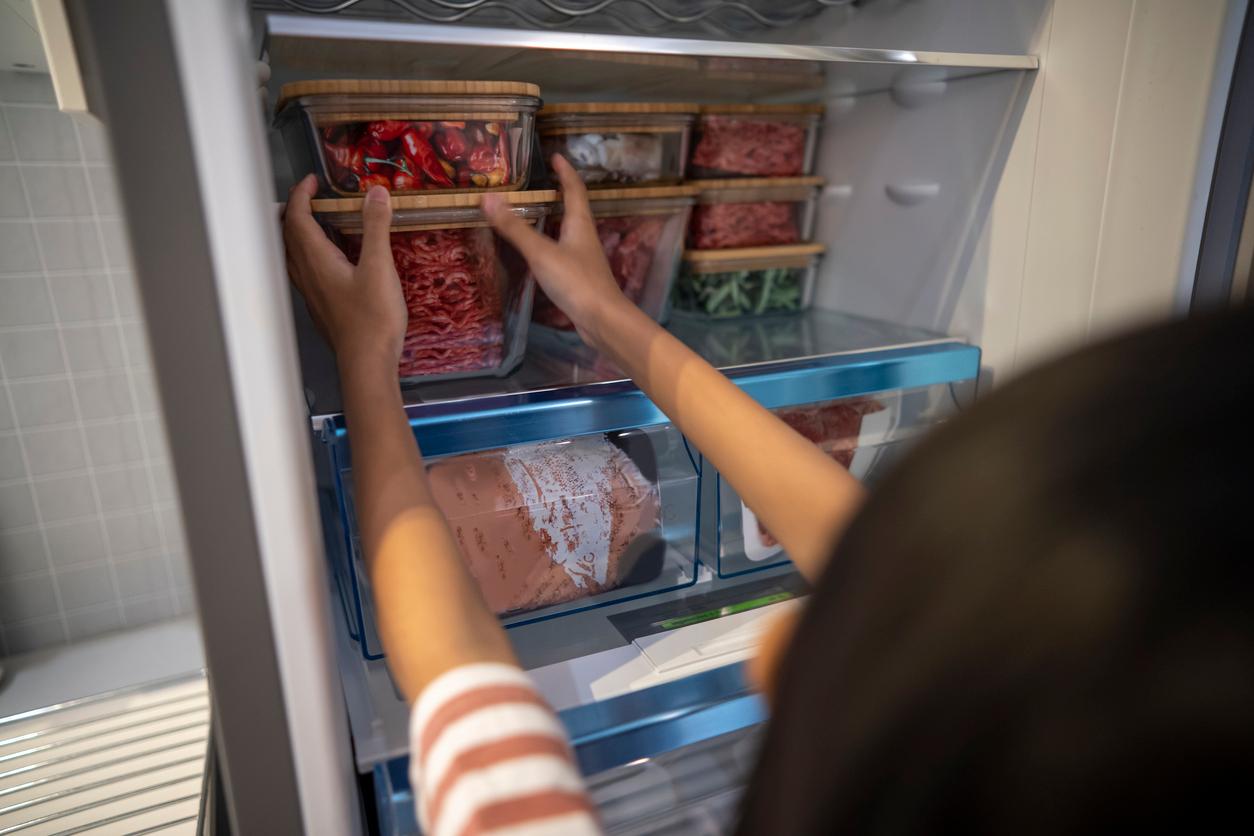
It’s tempting to freeze a big batch of soup, stew, or veggies all at once, but trust me, you’ll thank yourself later if you freeze smaller portions. Why?
- Faster thawing: No need to wait hours for a giant container to defrost.
- Just the right amount: If it’s just you or two of you at home, no need to thaw a meal meant for six.
- Less waste: If you can’t finish it all, leftovers often end up in the trash.
You can use small plastic containers, reusable zip-lock bags, or even silicone molds for portioning. For example, I freeze fresh herbs this way: chop them up, pack into ice cube trays, cover with a little oil, and then just grab a cube when cooking.
3. Keep Track with a List or an App
If you like digital solutions, there are plenty of free apps (like Out of Milk, NoWaste, or Fridge Pal) where you can easily log what you put in the freezer and when. Many even send reminders before items expire.
If you prefer something tangible, a simple notebook or a laminated sheet stuck on the freezer door works great. Write down the date, food name, and quantity. When you take something out, just cross it off the list.
This method also helps you spot what should be used first, so you can minimize waste effectively.