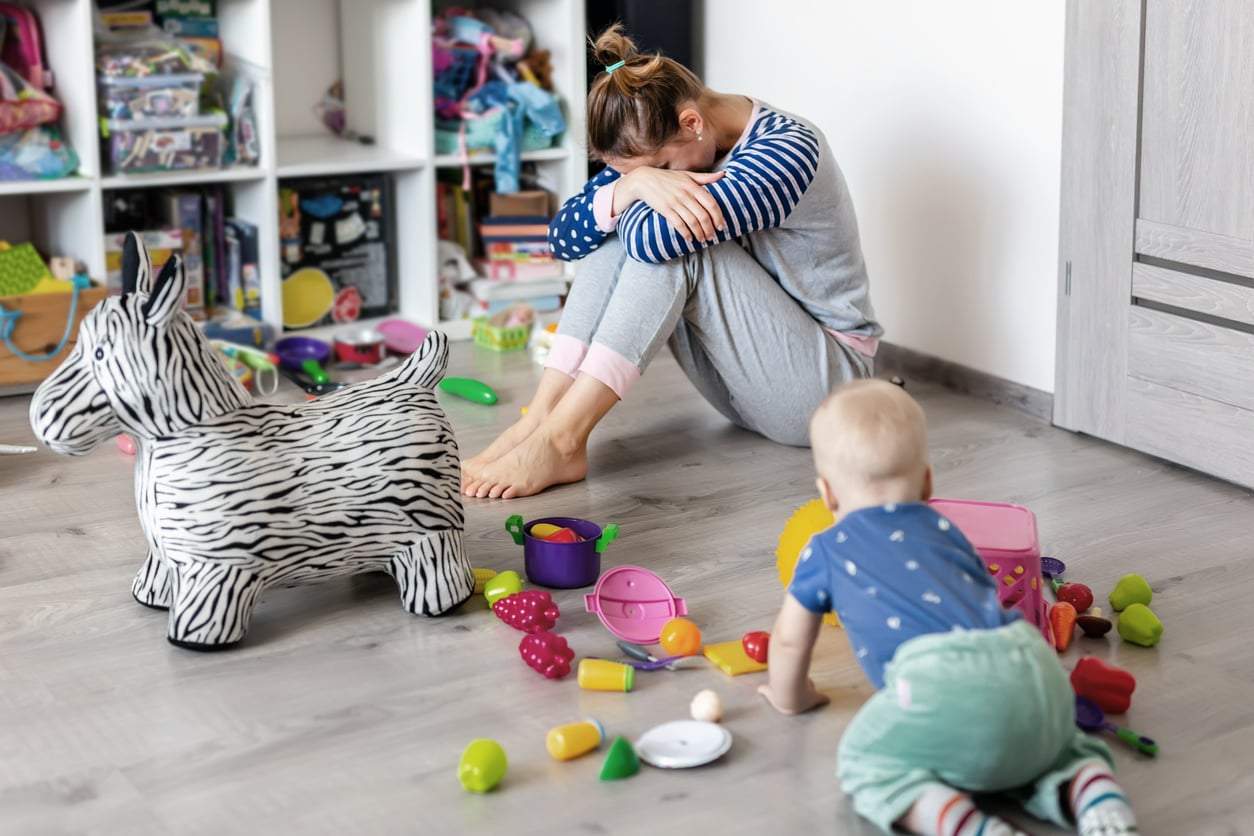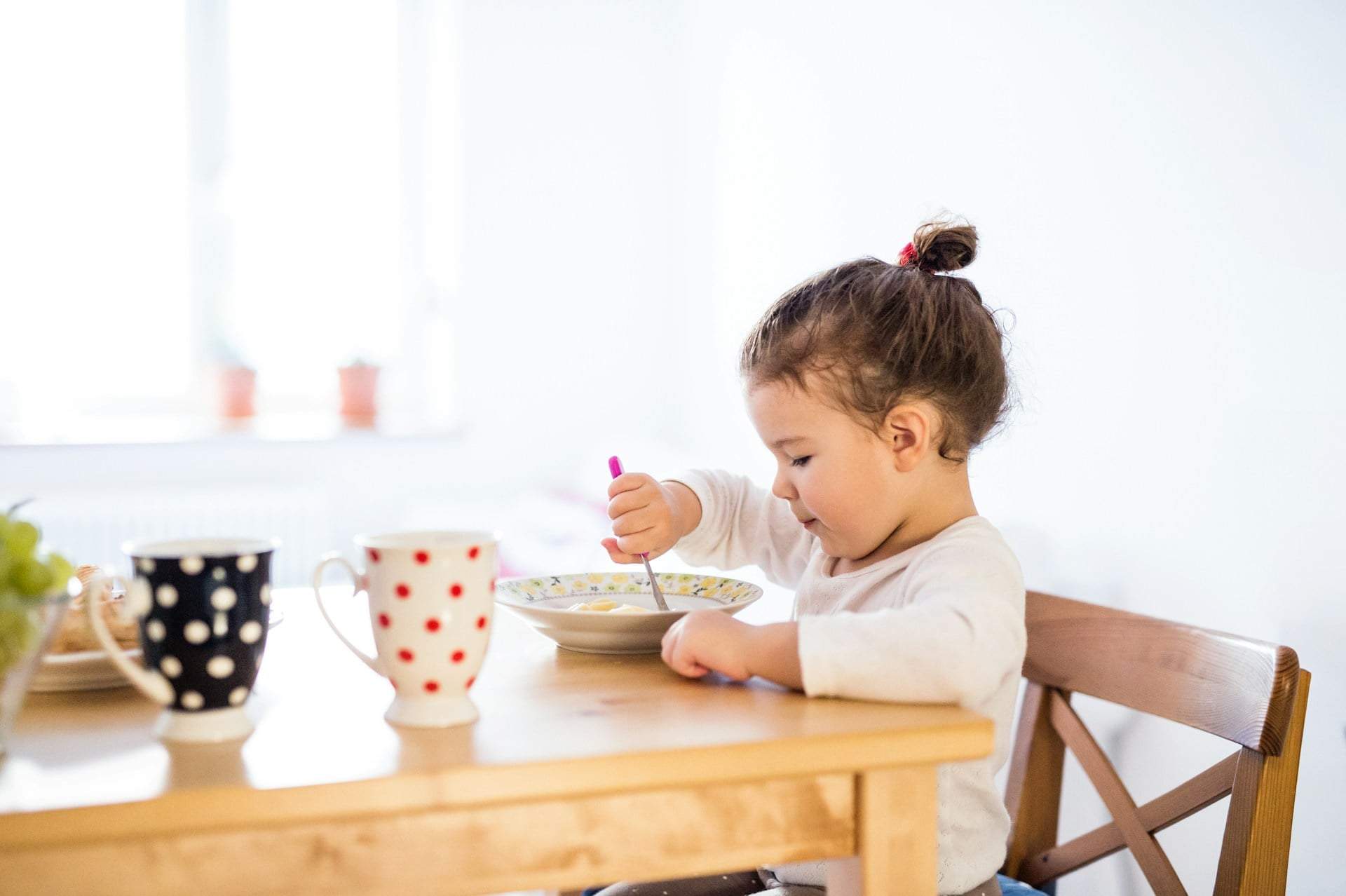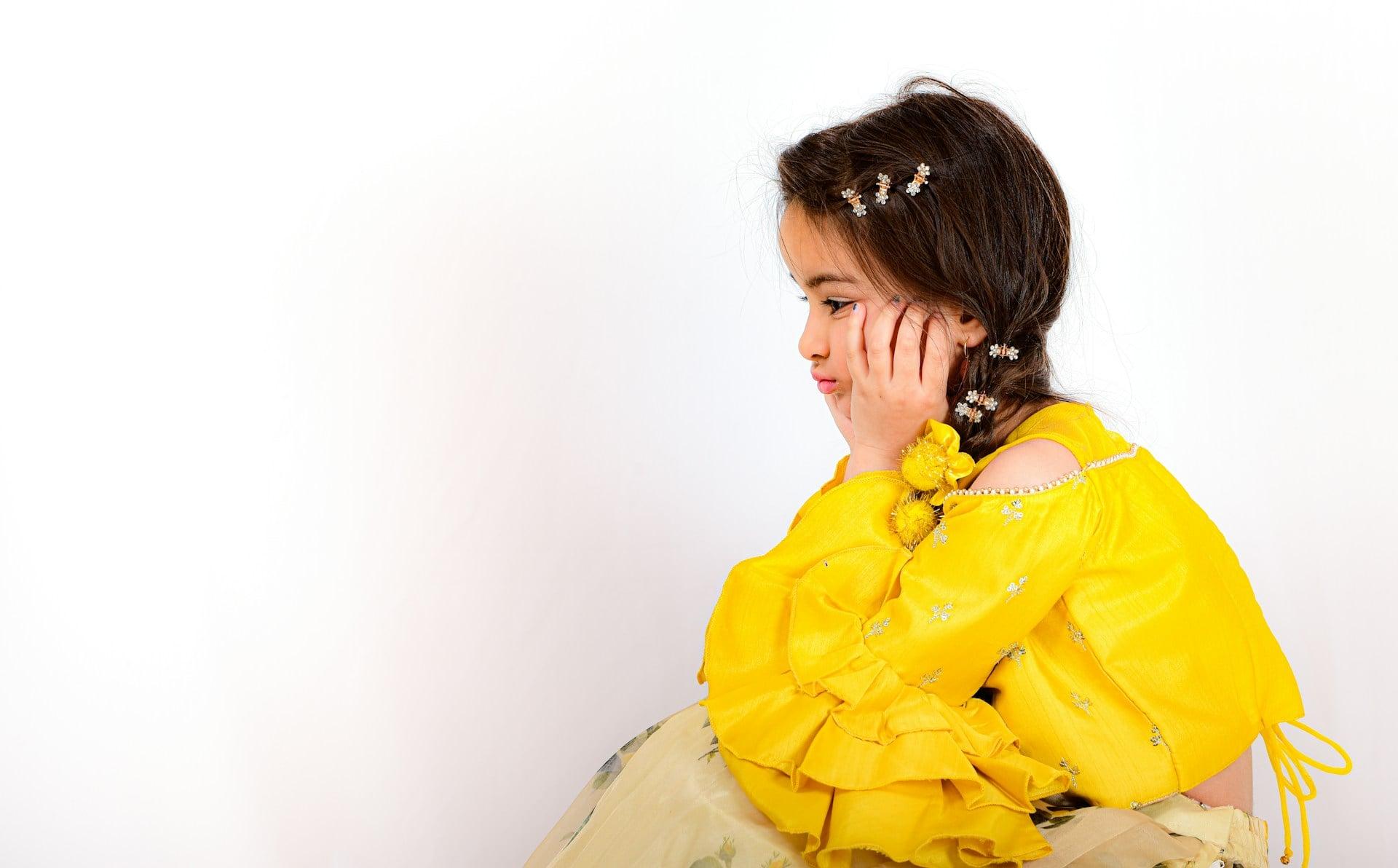
Children’s anxiety often stays hidden from adults because its signs aren’t always obvious. Small changes in behavior—like becoming more withdrawn, sleep troubles, or physical complaints—can mask deeper emotional struggles. Kids feel fear, pressure, and uncertainty just like adults, but they often can’t put those feelings into words. That’s why it’s so important for parents, teachers, and caregivers to recognize anxiety’s warning signs and offer timely support. These symptoms will help you better understand what’s going on inside your child’s heart and how to stand by them through tough times.
Lack of Confidence and Withdrawal
If you notice your child avoiding social events more and retreating into their own world, anxiety could be the cause. This is especially clear if they used to be outgoing and social. Just like adults, kids withdraw for many reasons. It’s key to talk with them about this change. Create a calm space and gently ask what’s on their mind. Remember, understanding and support are the best first steps here.
Sleep Difficulties
Sleep is vital for your child’s growth, and sleep problems can signal anxiety. Maybe it takes them longer to fall asleep or they wake up frightened during the night. These signs often point to emotional unrest. Try establishing a bedtime routine to boost their sense of safety. It’s also a good idea to consult a professional who can offer helpful tools to improve the situation.
Physical Symptoms
Remember, emotional health and physical well-being are closely linked. If your child has unexplained headaches, stomach aches, or other physical complaints, anxiety might be behind them. It’s important your child knows these symptoms aren’t something to hide or be ashamed of—they often reflect their worries. Encourage open conversations about how they’re feeling.
Fluctuations in Performance
If your child’s school performance suddenly changes, that can be a red flag. Anxiety can affect focus and make it harder to meet expectations. Encourage them to share their school experiences and ask if anything is worrying them. Often, recognizing the source of anxiety is the first step toward finding solutions.
Challenges Managing Anger
Anxiety often creates tension that can lead to outbursts. If your child seems angrier or more irritable than usual, it might be a sign of hidden, untreated anxiety. In these moments, it’s crucial to understand their feelings and encourage them to try relaxation techniques on their own. Simple practices like deep breathing or visualization can really help ease tension.