Let’s explore practical factors that can create tension and disharmony in your home—and how to easily avoid them!
Poor Lighting
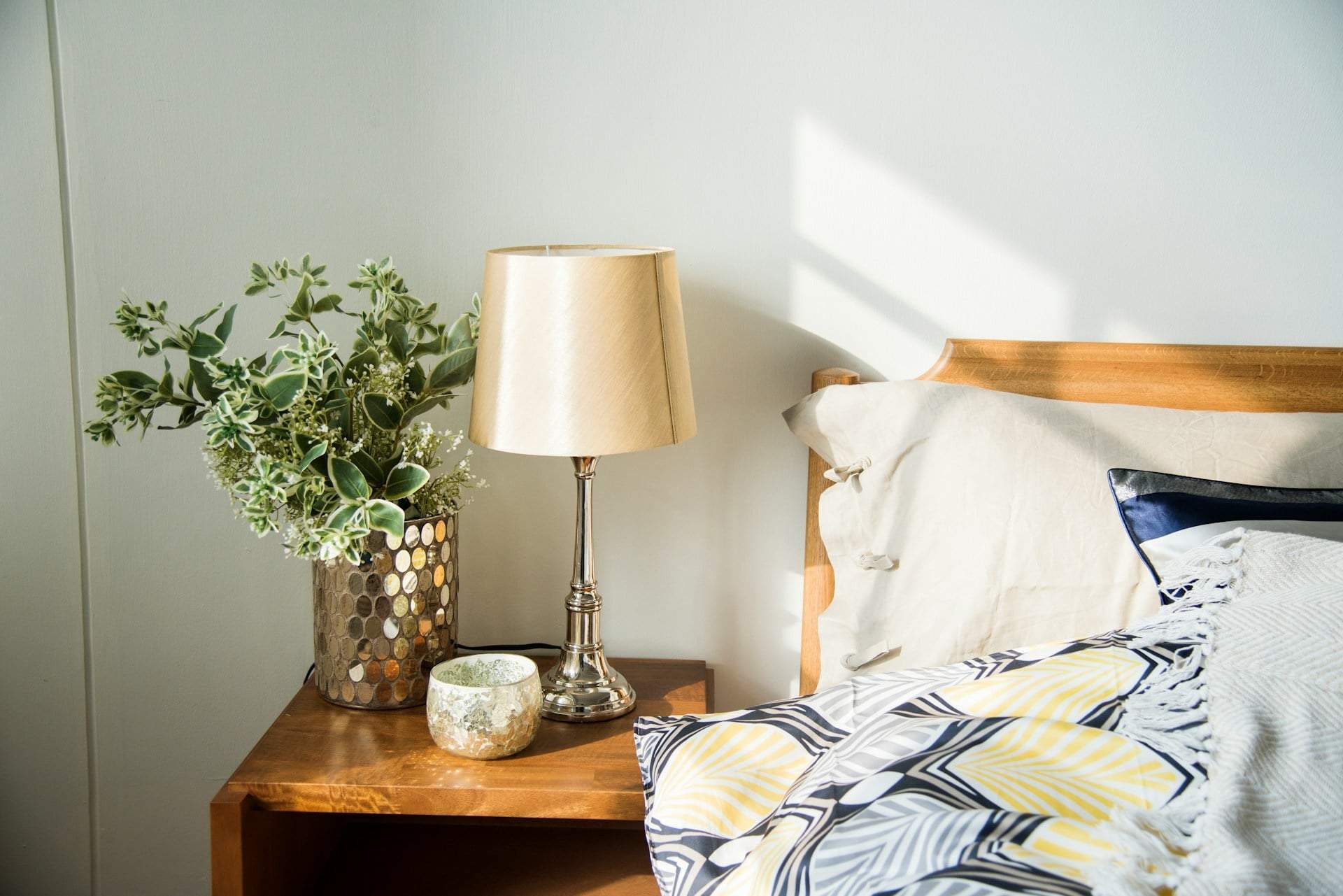
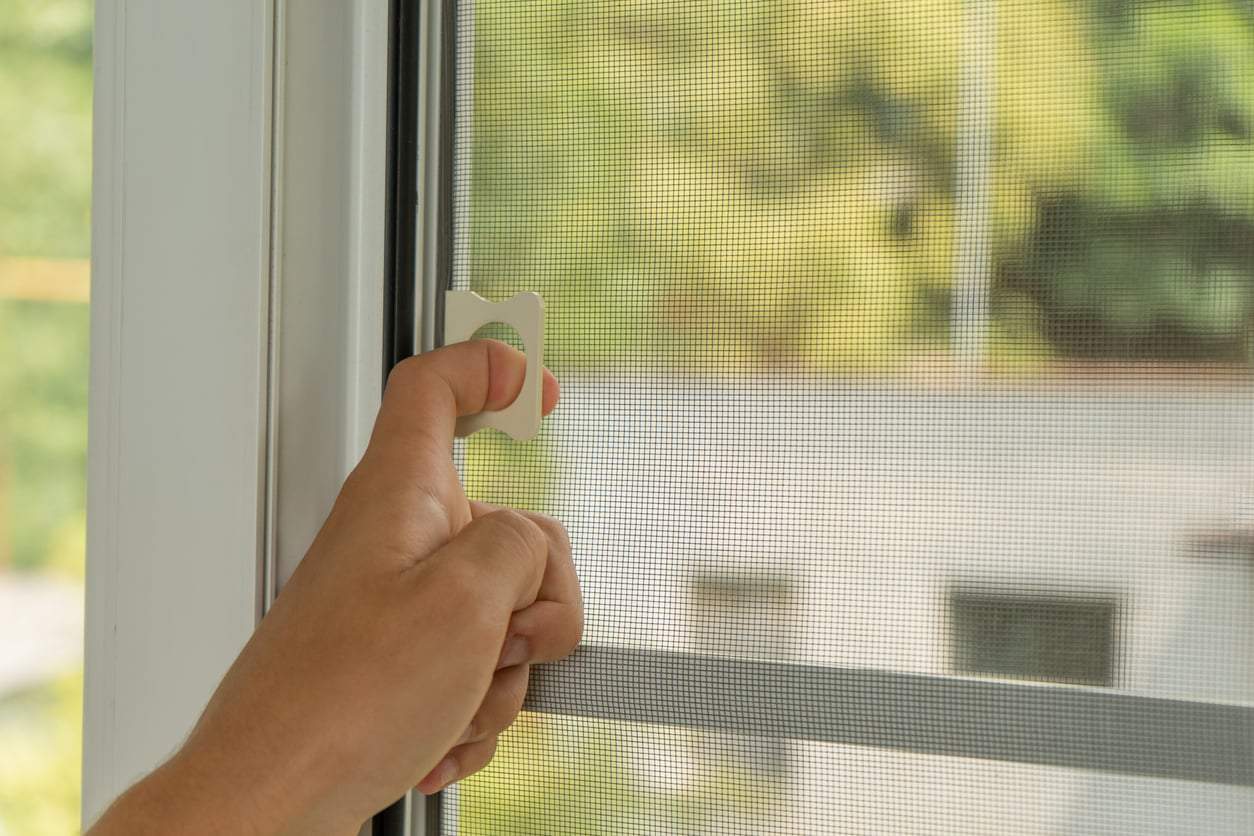
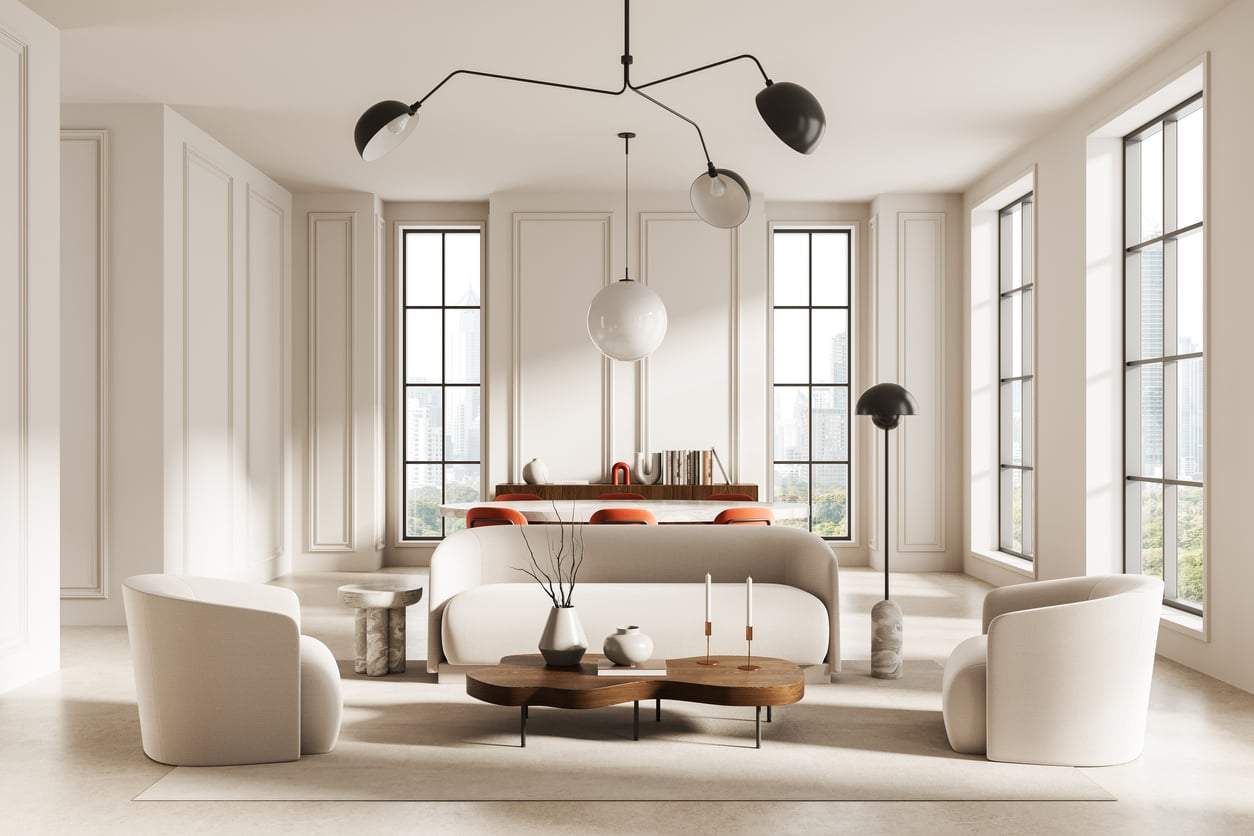
Bad lighting is one of the most common mistakes. It strains your eyes and can affect your mood. Too bright or too dim light often triggers headaches and irritability. To create a cozy, inviting vibe, choose your light sources carefully. Natural light is priceless—try to let in as much daylight as possible.
Soft, warm lights help balance the room’s mood, while cooler lights work best in focus zones like workspaces.
Cluttered Spaces
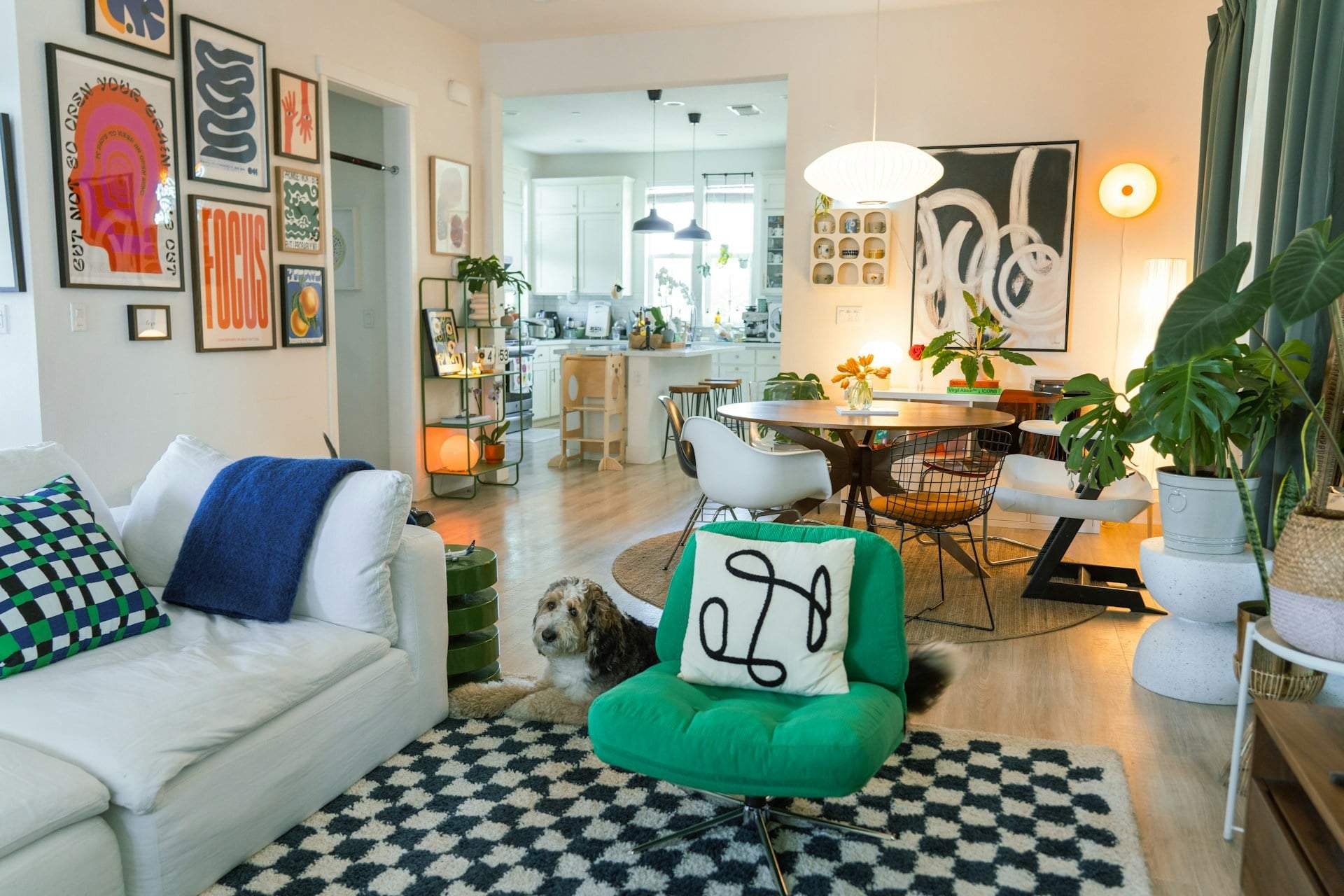
Messy, overcrowded rooms can seriously ramp up stress at home.
Research shows chaos directly impacts mental health, raising stress and making it harder to focus.
That’s why it’s key to regularly do a deep clean spring cleaning and keep your space tidy. The “less is more” approach really shines here—embracing minimalist design helps keep chaos at bay.
Poor Furniture Placement
How you arrange furniture shapes the room’s energy. If furniture blocks smooth flow or natural light, it can create unease. Keeping walkways clear and furniture well-placed boosts the room’s vibe and harmony. Imagine the daily stress of constantly dodging chairs and tables!
Distracting Colors
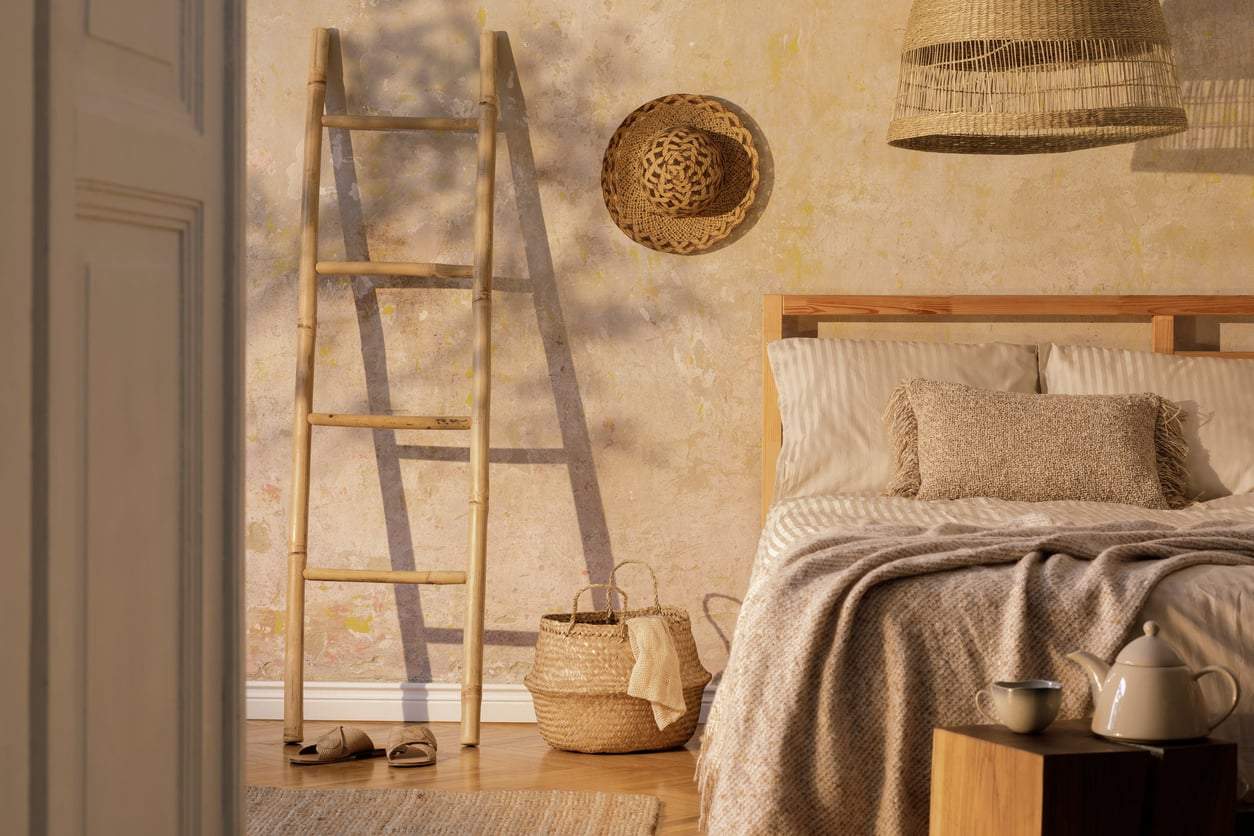
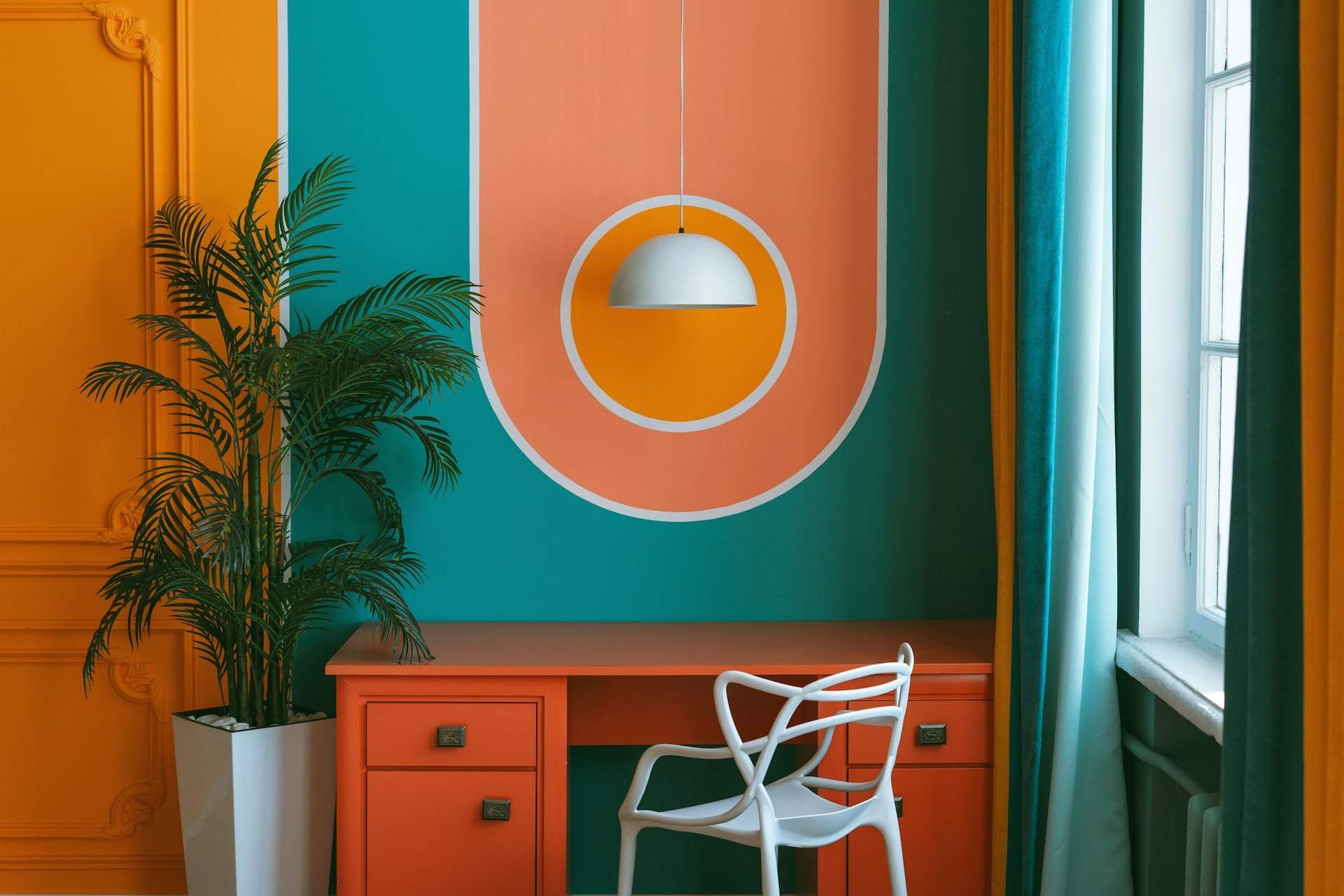
Colors carry strong emotions, and choosing the wrong ones can easily create tension. Overly bright or dark shades may unsettle you and steal away peaceful moments. If the color palette feels off, opt for neutral or natural tones that blend harmoniously and help keep calm.
Missing Natural Elements
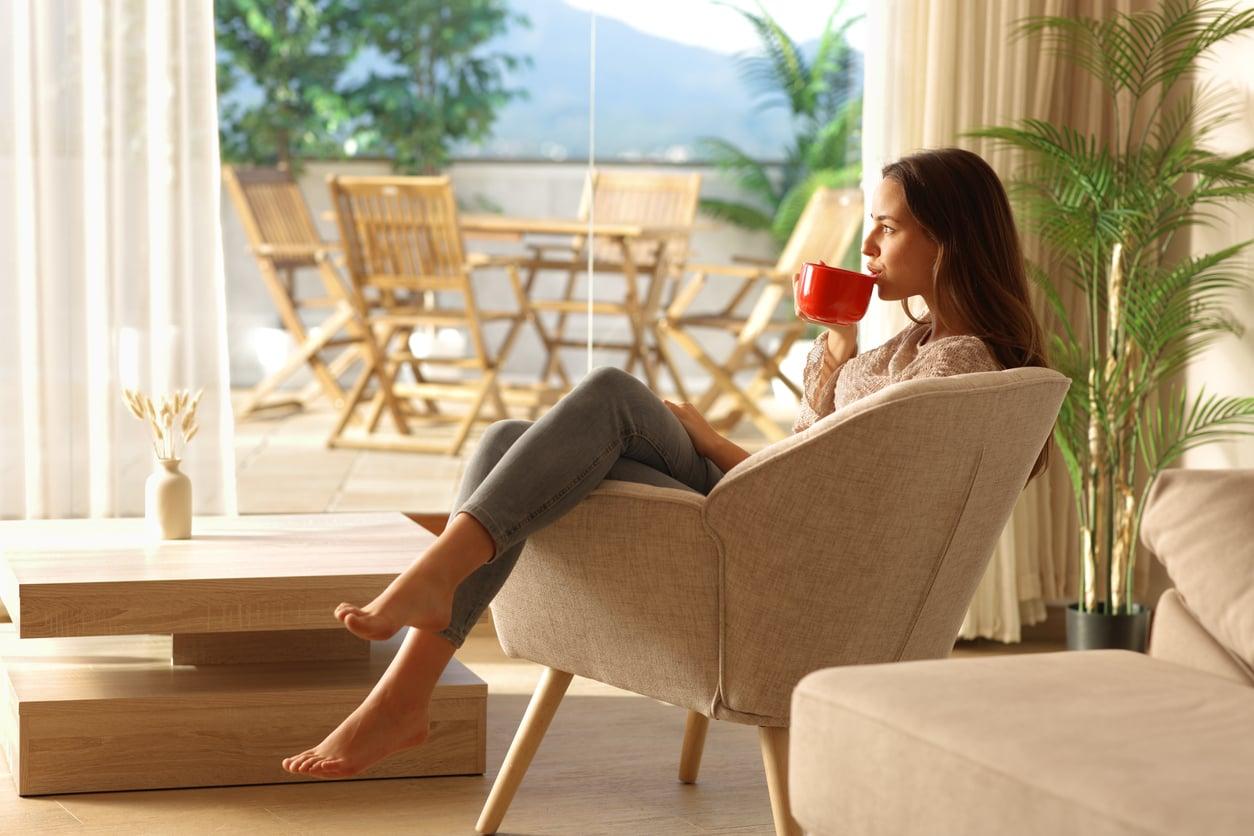
The absence of nature-inspired touches—like plants or natural materials—can also add to tension in a room.
Focus on these natural touches and feel the power of peace and harmony in your own home.