If your favorite houseplant suddenly shows a few yellow leaves, crispy brown edges, or looks visibly droopy, it’s easy to spiral into thoughts like: What did I do wrong? Did I overwater? Did I neglect it?
Many of these “alarm signals” don’t mean you’re a bad plant parent at all. They’re often natural aging signs, temporary reactions, or simply related to the environment—and most can be easily fixed.
When are these signs normal? When should you be concerned? Let’s break it down!
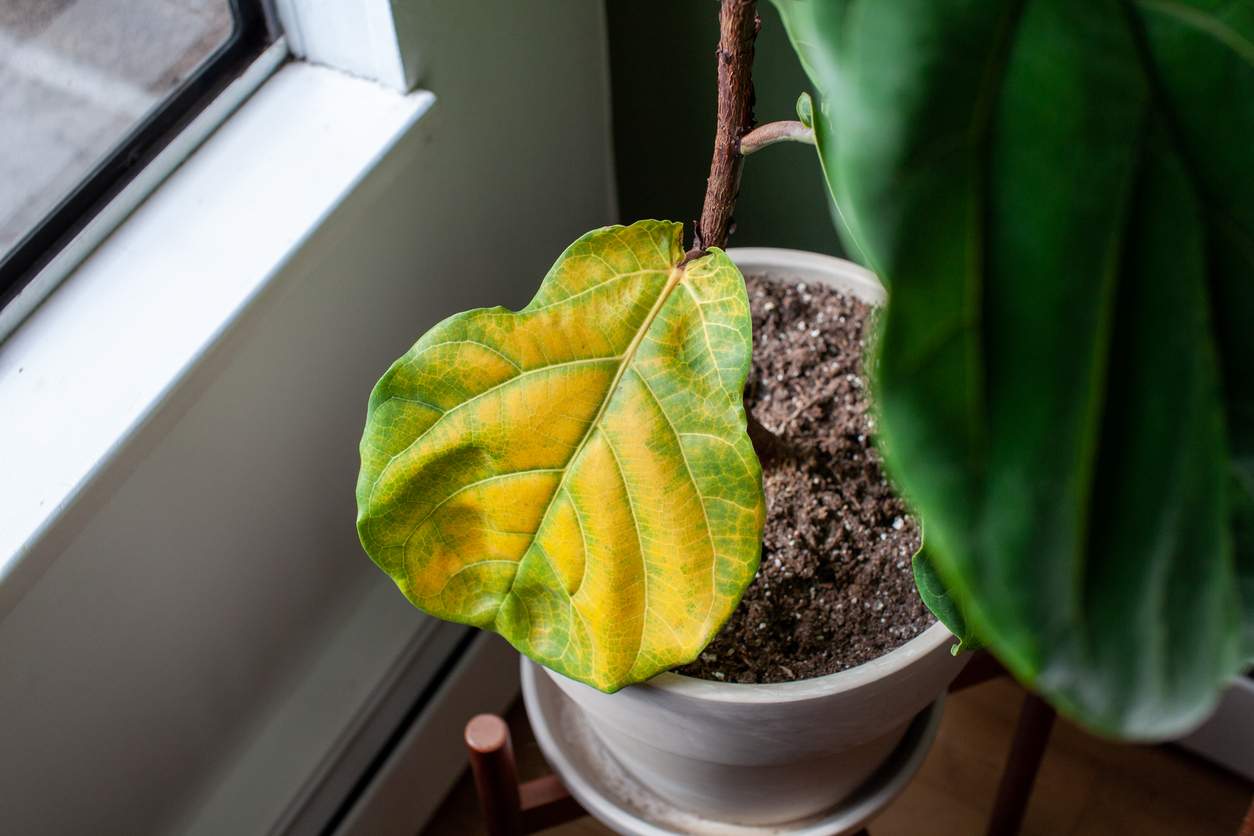
Yellowing Leaves – Aging Is Totally Normal
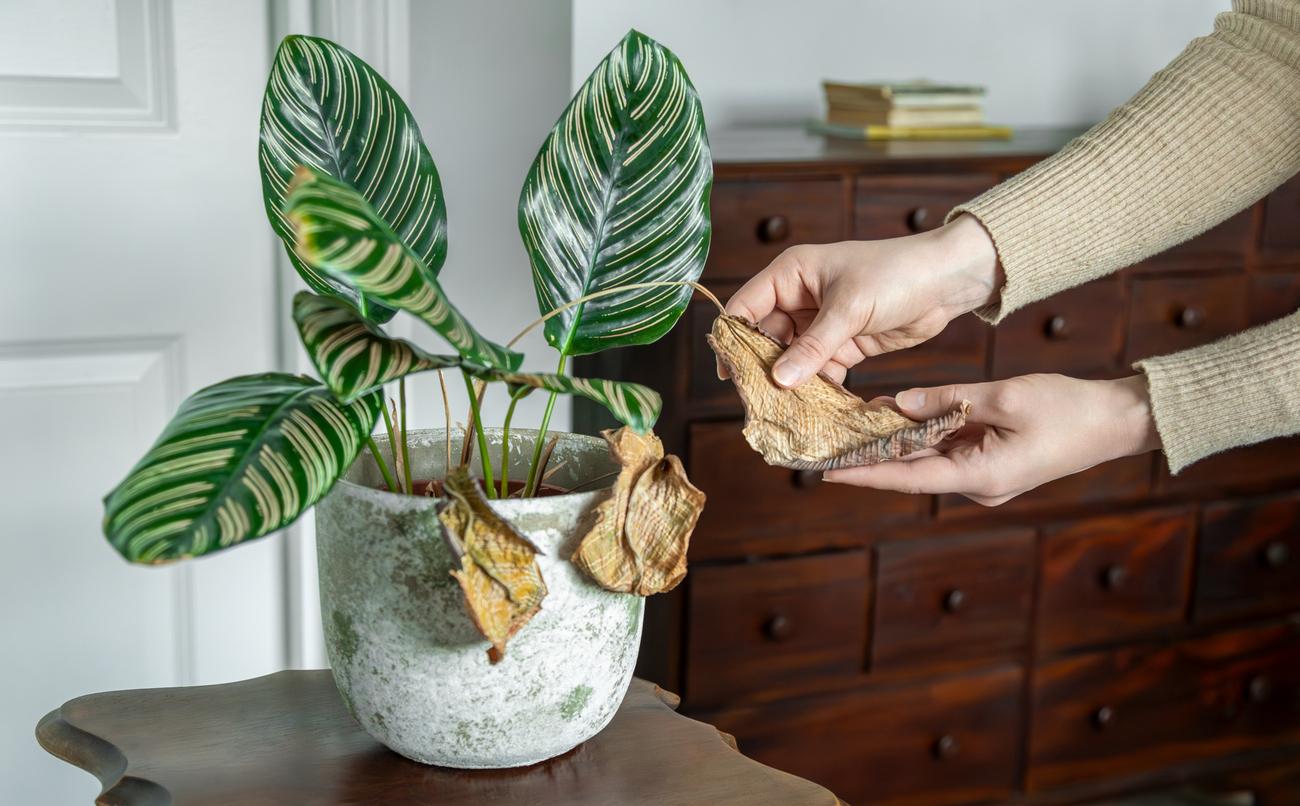
Leaves on houseplants aren’t forever. Each leaf has its own life cycle, and since most houseplants are evergreen, they don’t drop all their leaves at once but one by one. So if you notice a leaf turning yellow now and then—especially older, lower ones—it usually isn’t a problem.
Pay closer attention if multiple leaves yellow at once or if young, fresh shoots are affected. That often signals stress behind the scenes: too much or too little water, sudden environment changes, or lack of light.
Temporary stress—like moving a plant to a new spot—usually resolves on its own. But if the problem persists and conditions don’t improve, yellowing and leaf drop can continue, weakening your plant over time.
Brown, Crispy Leaf Edges – Often It’s the Air’s Fault
Brown, dry leaf tips often make people think their plant is dying. But this is usually not neglect—it’s an environmental issue.
Drafts—whether cold or hot—are a common culprit. Old windows, front doors, heaters, and air conditioners are all places where leaves can dry out easily.
Often, just moving the plant a few steps away is enough.
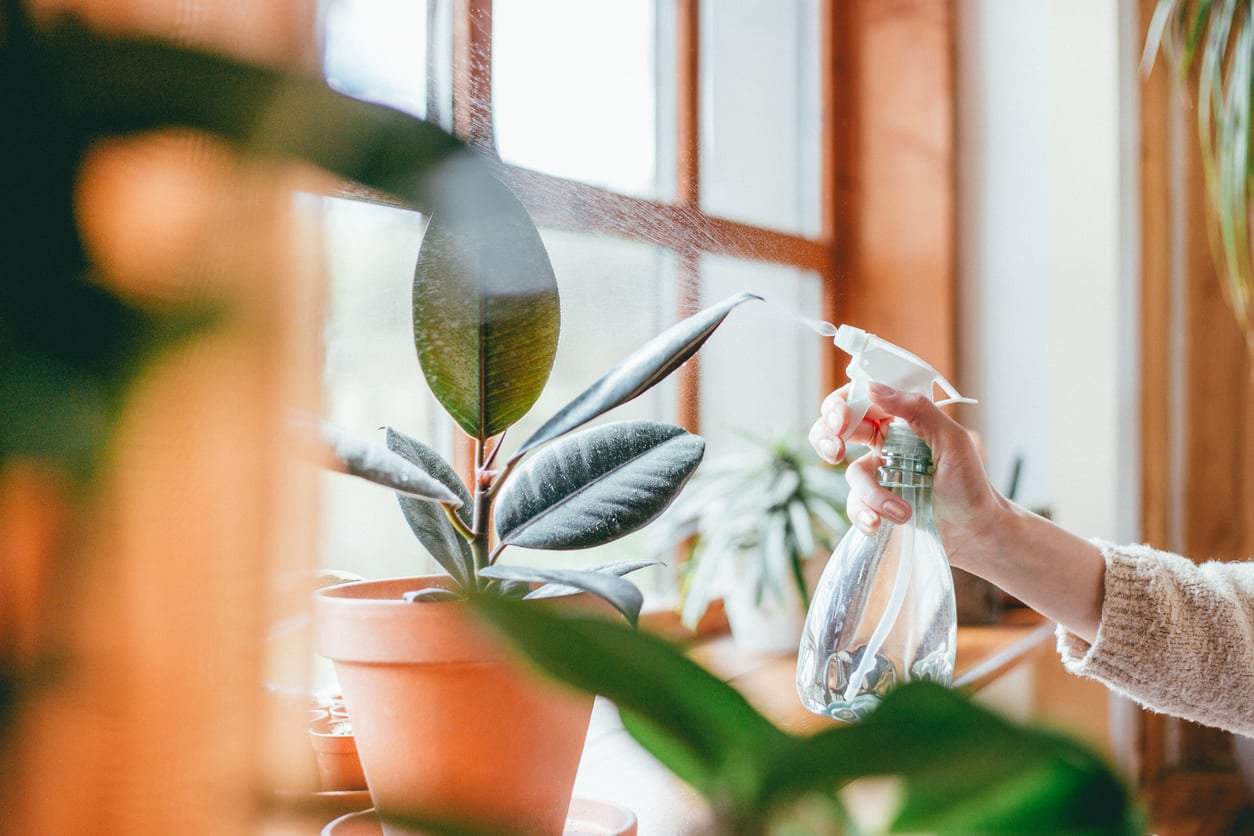
Another common cause is dry air. Most houseplants come from tropical areas with high humidity. Compared to that, indoor air—especially during heating season—is quite dry. A humidifier or grouping plants together can help a lot. You can safely trim off dry leaf tips if they bother you.
Sudden Wilting – When Your Plant’s Just Acting
Some plants dramatically wilt as soon as their soil dries out a bit. This can be scary, especially if you’re new to plant care, but it’s usually not serious.
These plants usually bounce back quickly after a good watering, like nothing happened. But if watering doesn’t help or wilting keeps coming back despite your care, it’s time to check the roots and pot drainage.
Leggy, Sparse Growth – Reaching for Light
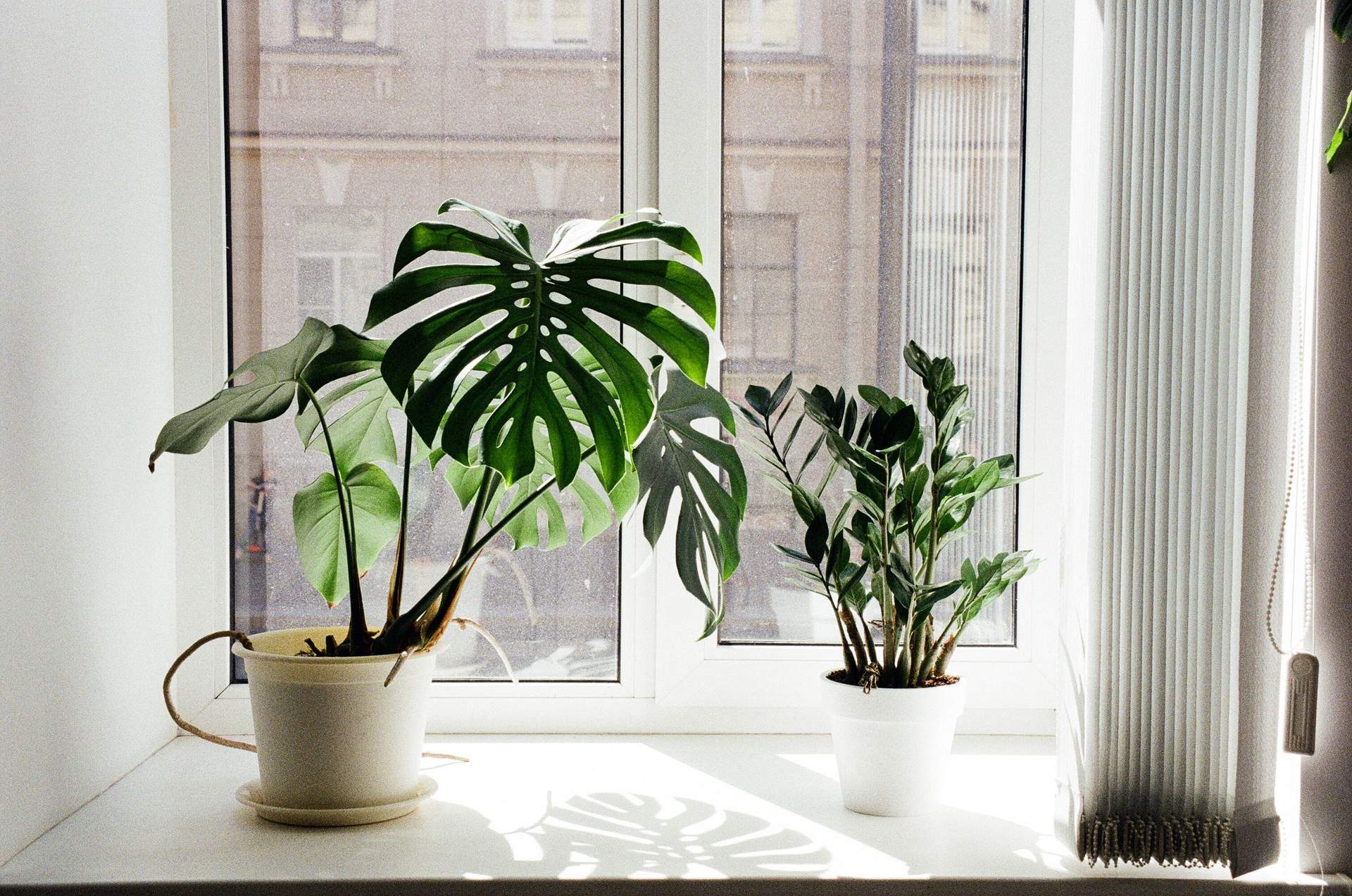
Sometimes a plant is well cared for but still grows long, thin stems with wide gaps between leaves. This isn’t a warning sign but a message: it needs more light.
Try moving it closer to a window or supplementing natural light with a grow light. If it’s very leggy, pruning the stems encourages bushier growth. You can even propagate new plants from the cuttings.
Leafless Stems – Common in Vining Plants
Vining plants are becoming more popular, and with them comes a curious sign: stems stretch out but don’t produce new leaves. This isn’t a disease but an adaptation.
These plants naturally like to climb. If there’s nothing to cling to, they switch to “running” growth, and leaves take a backseat. Adding a moss pole, stake, or other support often brings quick, visible improvement.