If you’re a houseplant lover, you know caring for plants isn’t always a walk in the park. In this article, we’ll explore seven signs that tell you it’s time to grab a new pot and fresh soil.
Roots Are Peeking Out of the Pot
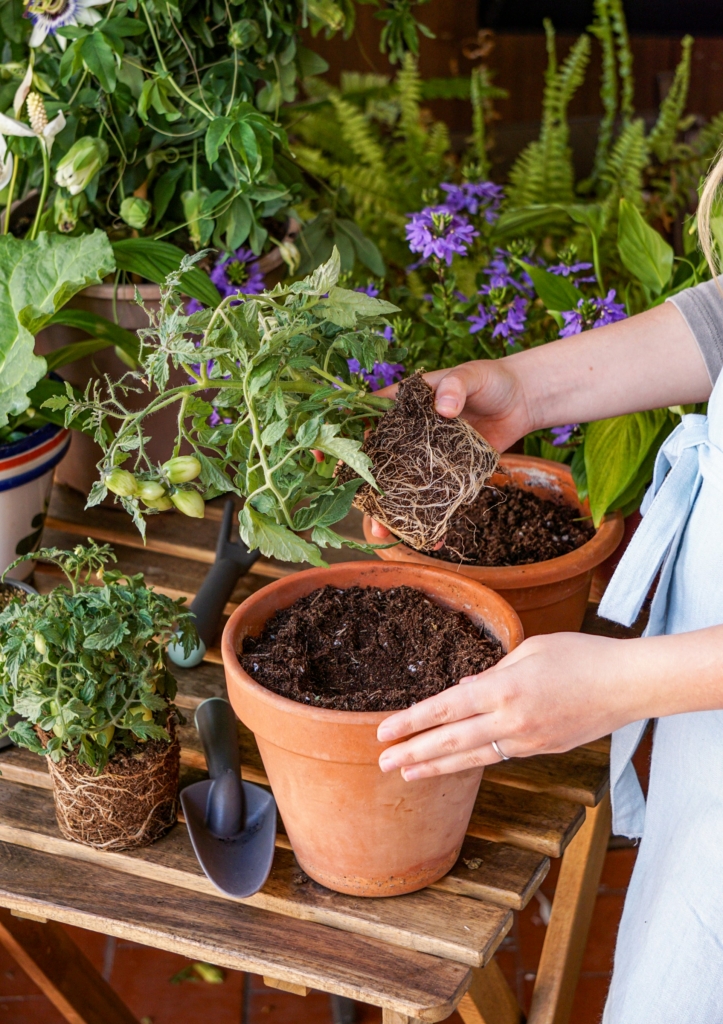
One of the clearest signs your houseplant needs repotting is when roots start growing out of the drainage holes at the bottom of the pot. This means your plant has outgrown its current home and needs more space for its roots. It’s best to move it to a pot that’s one or two sizes bigger so it can keep growing strong.
Growth Has Slowed Down
If your plant’s growth has slowed while everything else—like light and watering—stays the same, it might be stuck. Repotting with fresh, nutrient-rich soil can give your plant the boost it needs to thrive again.
Soil Dries Out Quickly
Does the soil dry out moments after you water? This could mean the roots have completely filled the pot, pushing out the soil. When this happens, moisture can’t stay in the soil, causing your plant to dry out fast. Moving it to a bigger pot with more soil helps keep the moisture locked in.
Leaves Are Yellowing or Wilting
Many think yellow leaves just mean a nutrient deficiency, but sometimes the real issue is the plant has outgrown its pot.
If your plant doesn’t have enough room for its roots to grow, it can affect leaf health. When you see yellowing or wilting leaves, check the roots too.
Top of the Plant Feels Heavy
Some plants develop a heavy top that can easily tip over. This clearly means the roots are cramped inside the pot, making the plant unstable. Repotting into a larger container is key to giving your plant the support it needs to grow steady and strong.
Plant Has Stopped Growing
Sometimes your plant just stops growing and won’t produce new shoots. This often means it’s not getting enough nutrients or space in its current pot. Repotting with fresh soil can jumpstart its growth again.
Plants Show Signs of Disease
If your plant often suffers from issues like root rot or mold, that’s a red flag. These problems can come from overly wet roots or cramped conditions. Repotting into a larger pot with fresh, well-draining soil helps prevent these diseases from coming back.
Keeping these signs in mind makes it easier to know when it’s time to repot your favorite houseplant.
Repotting takes care and attention, but the reward is a healthy, thriving plant that brings you peace and joy every day.