Your home’s air might feel fresh, especially if you don’t notice any unpleasant odors when you walk in. But often, tiny particles, chemicals, and toxic gases—byproducts of daily activities or household items—are floating around. Even if you can’t see or smell them, they can seriously harm your health. Research links these pollutants to serious conditions like heart attacks, strokes, cancer, and neurological issues, says Richard Corsi, Dean of Engineering at the University of California, Davis, who specializes in indoor air quality. Here are 9 common things quietly polluting your home’s air.
Walls, Floors, and Furniture

Home renovations like fresh paint or new furniture release volatile and semi-volatile chemicals. That “new furniture smell” fades in days, but some chemicals can linger for years. “Flame retardants, for example, stay in mattresses, exposing you for eight hours every night,” says Corsi. “Even if you toss the mattress, the chemicals remain in the room.”
Gas Stoves
Gas stoves emit fine particles and nitrogen dioxide. “They’re among the biggest indoor pollution sources,” says Corsi. These particles can settle in the brain, raising the risk of neurological diseases. Studies also link them to higher rates of childhood asthma.
Candles and Air Fresheners

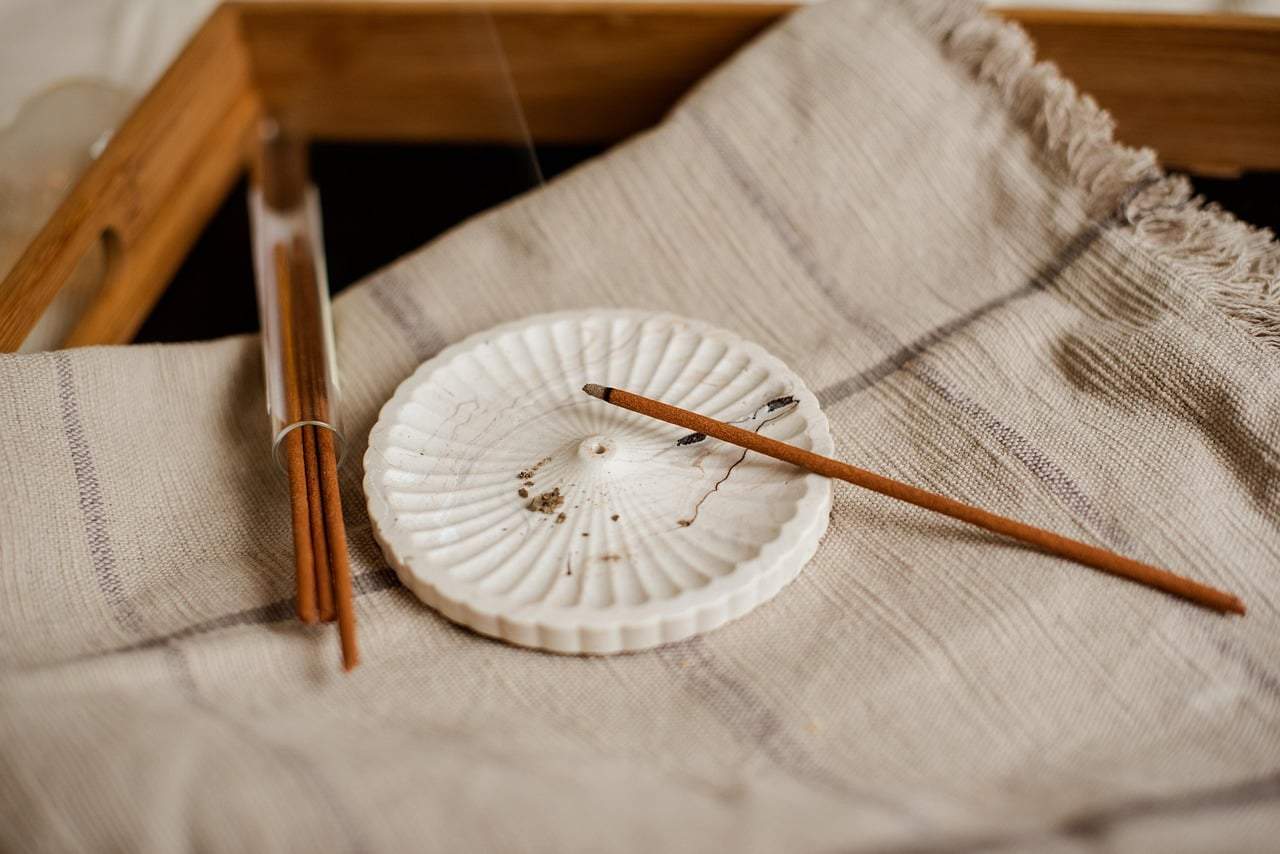
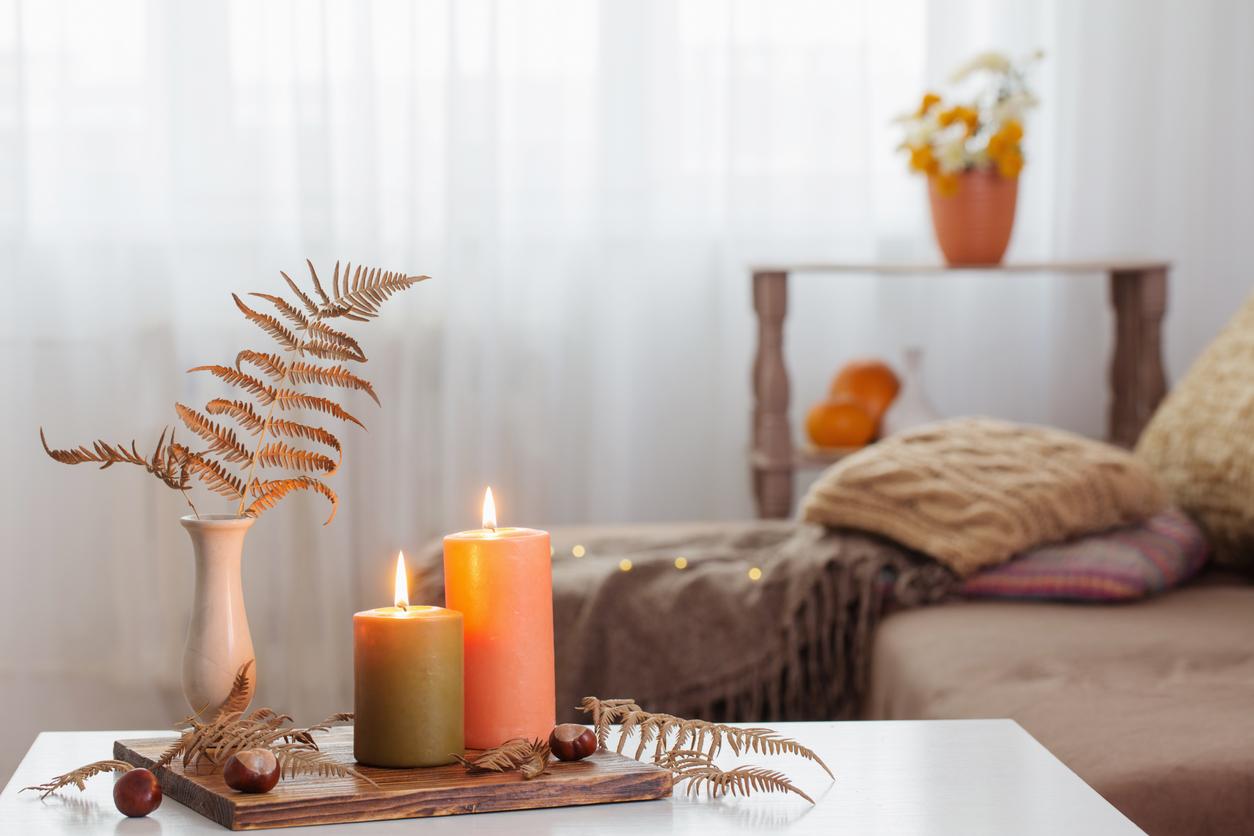
Pleasant-smelling candles release fine particles into the air. Just a few minutes of burning can raise particle levels and affect airborne bacteria. Incense sticks are even riskier, with some studies linking them to cancer.
Outdoor Air Pollution
Outdoor pollutants like smoke, soot, and exhaust easily enter your home. Apps can help you track your neighborhood’s current air quality and forecasts.
Cleaning Products
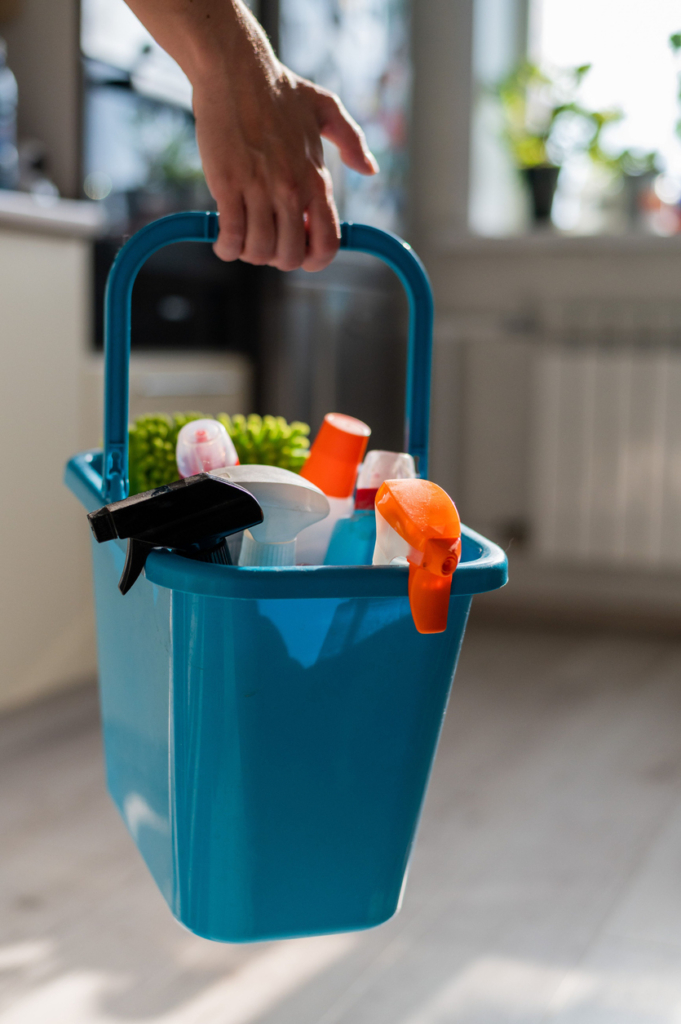
Not only harsh chemicals but even products that seem natural can release harmful substances.
Chemicals in the Garage
If your garage connects to your home, vapors from stored items—like benzene in gasoline, which is carcinogenic—can seep inside. Corsi recommends storing gasoline and other chemicals outdoors instead.
Mold, Viruses, and Bacteria
Air easily spreads mold spores, bacteria, and viruses—not just surfaces.
Fireplaces

Cozy winter fires also release fine particles and carbon monoxide into the air.
Pets and Flowers
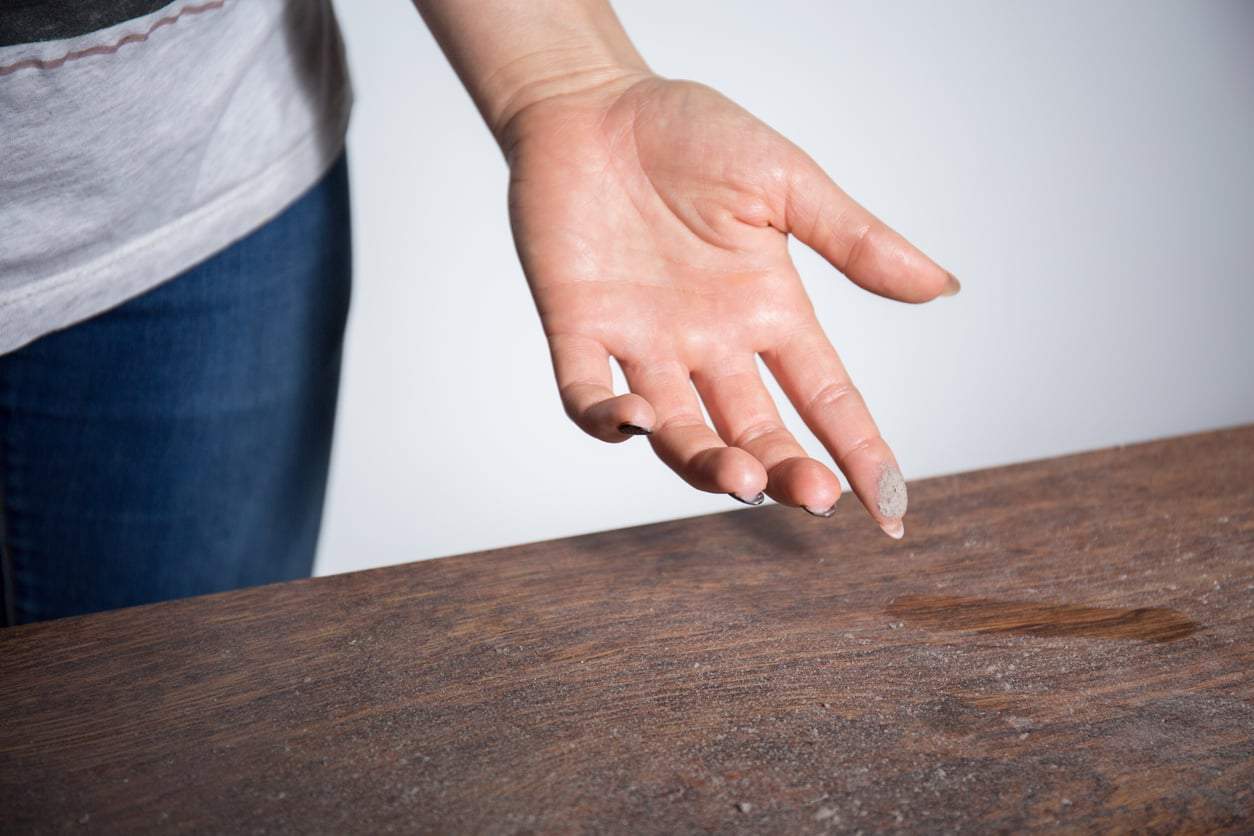
Natural sources aren’t harmless either. Pet dander, pollen, and even human skin cells float in the air. Some flowers release especially high amounts of pollen.
How to Breathe Cleaner Air at Home
Ventilate Regularly
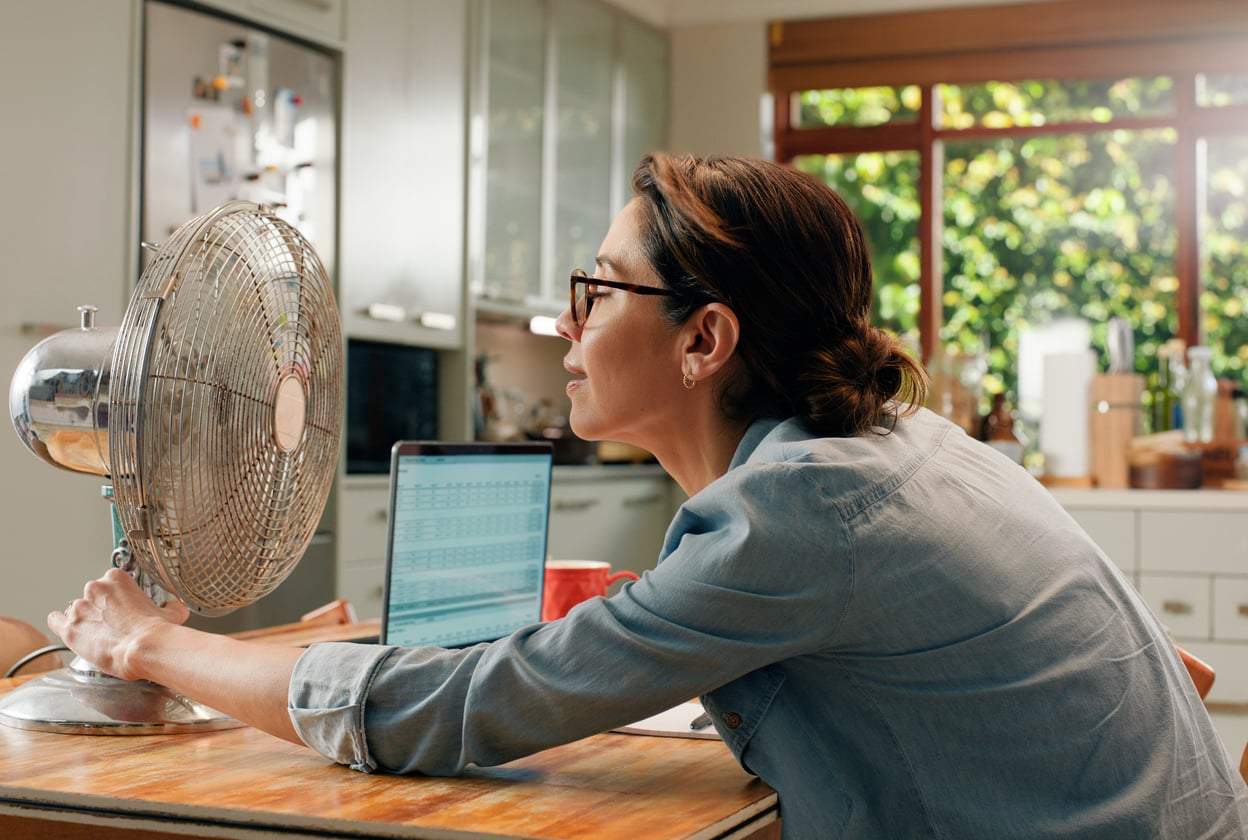
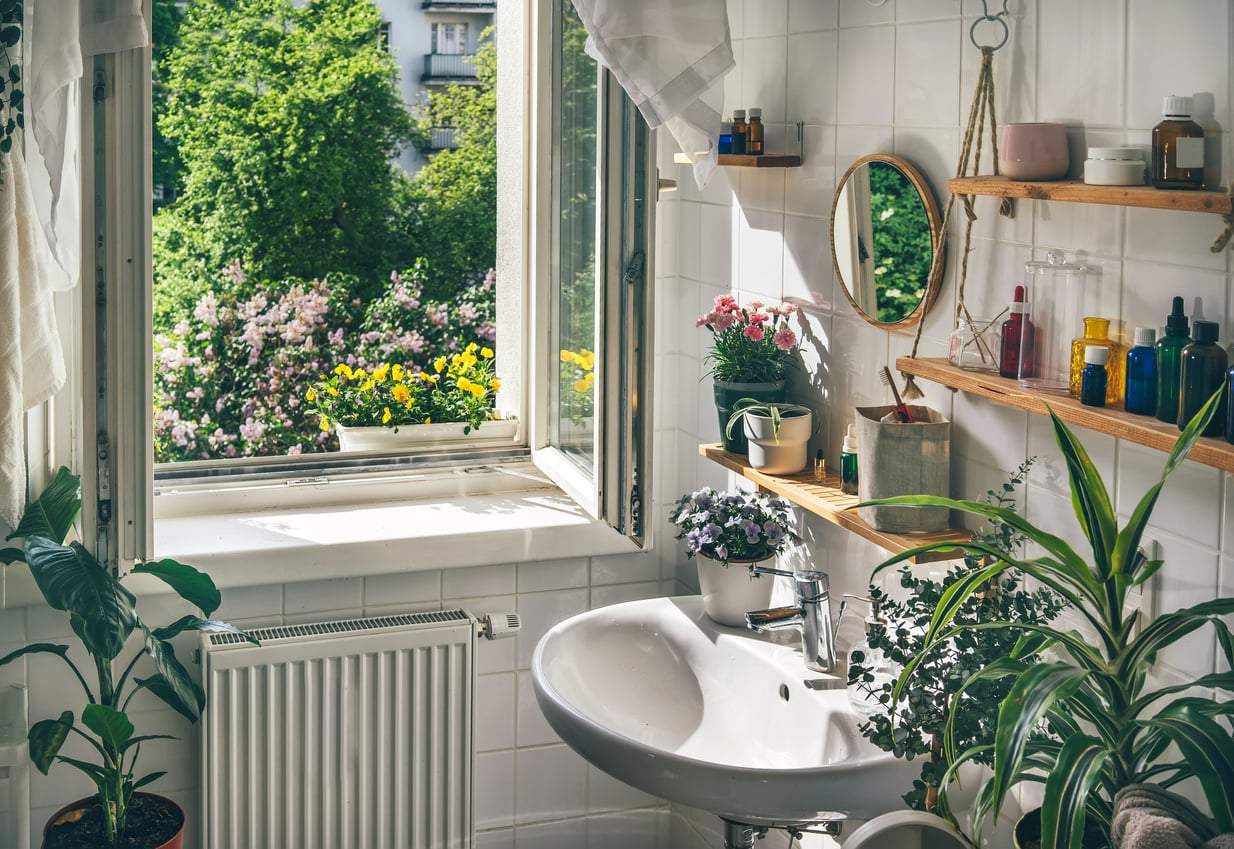
Fresh air helps a lot—whether you’re cleaning, painting, or recovering from illness. But if outdoor air is polluted (like near highways or industrial areas), opening windows isn’t always the answer. In those cases, fans and exhaust systems can help clear out the bad air.
Use an Air Purifier
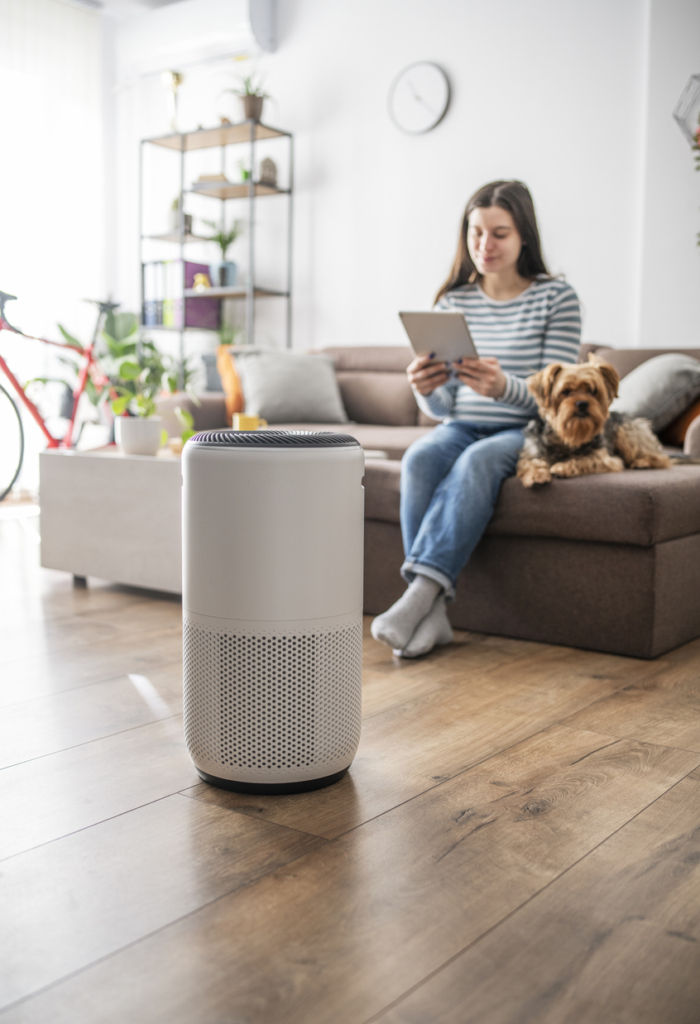
Good air purifiers filter out dust, allergens, bacteria, viruses, and harmful gases. Look for one that refreshes your room’s air at least five times an hour. Avoid ionizing types—they produce ozone.
Choose Wisely
Pick natural materials and products, especially if you have kids or pregnant family members. The EPA’s “Safer Choice” label helps find lower-toxin options. If you can’t give up candles, keep them away from drafts—flickering flames release more particles. A tall glass hurricane lamp can protect your candle from air movement.
Use Ceiling Fans
Fans don’t just cool—they spread air evenly, lowering pollutant concentration in your breathing zone.
Clean Regularly and Safely
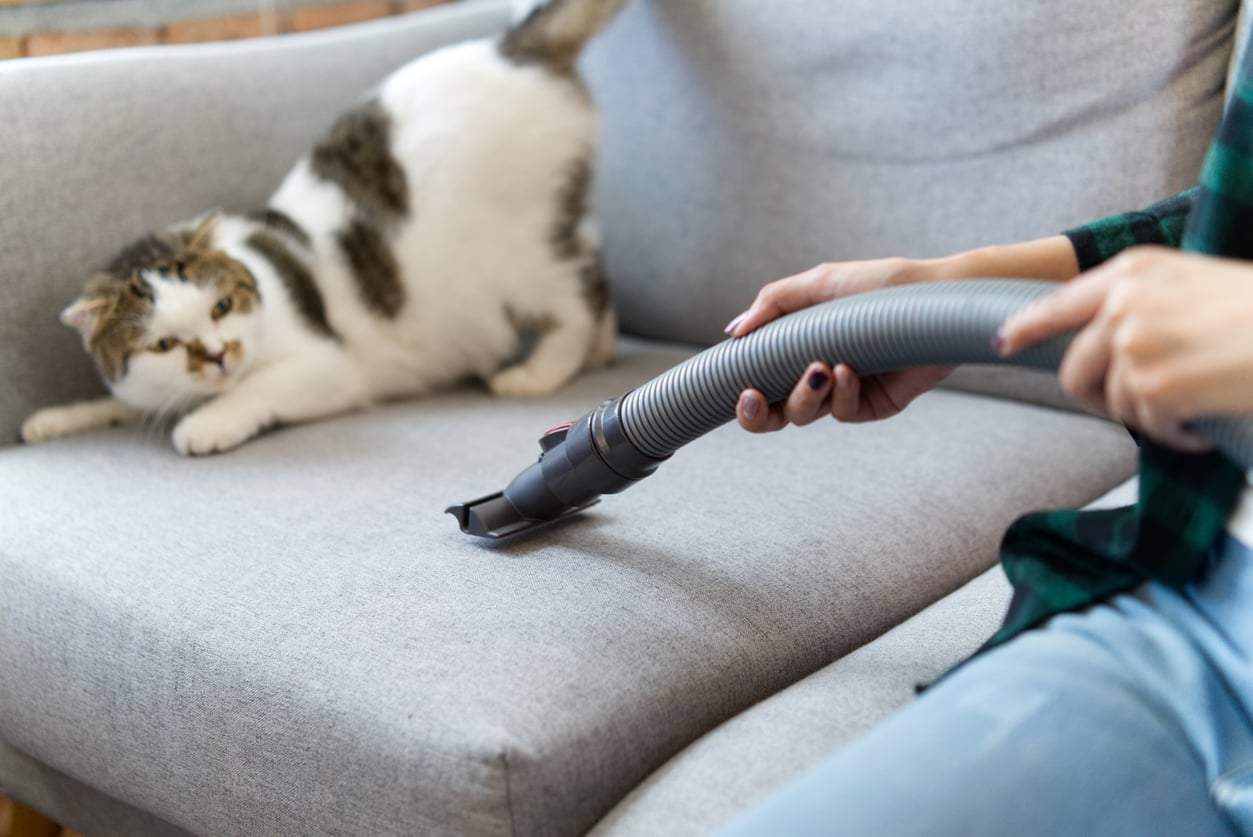
Instead of vacuuming, try damp mopping—especially on vinyl floors—since vacuums can send particles back into the air.
Avoid Scented Products When Ozone Levels Are High
If your area’s air quality is poor, skip air fresheners and scented candles. Ozone reacts with them, creating unknown and possibly harmful chemical byproducts.