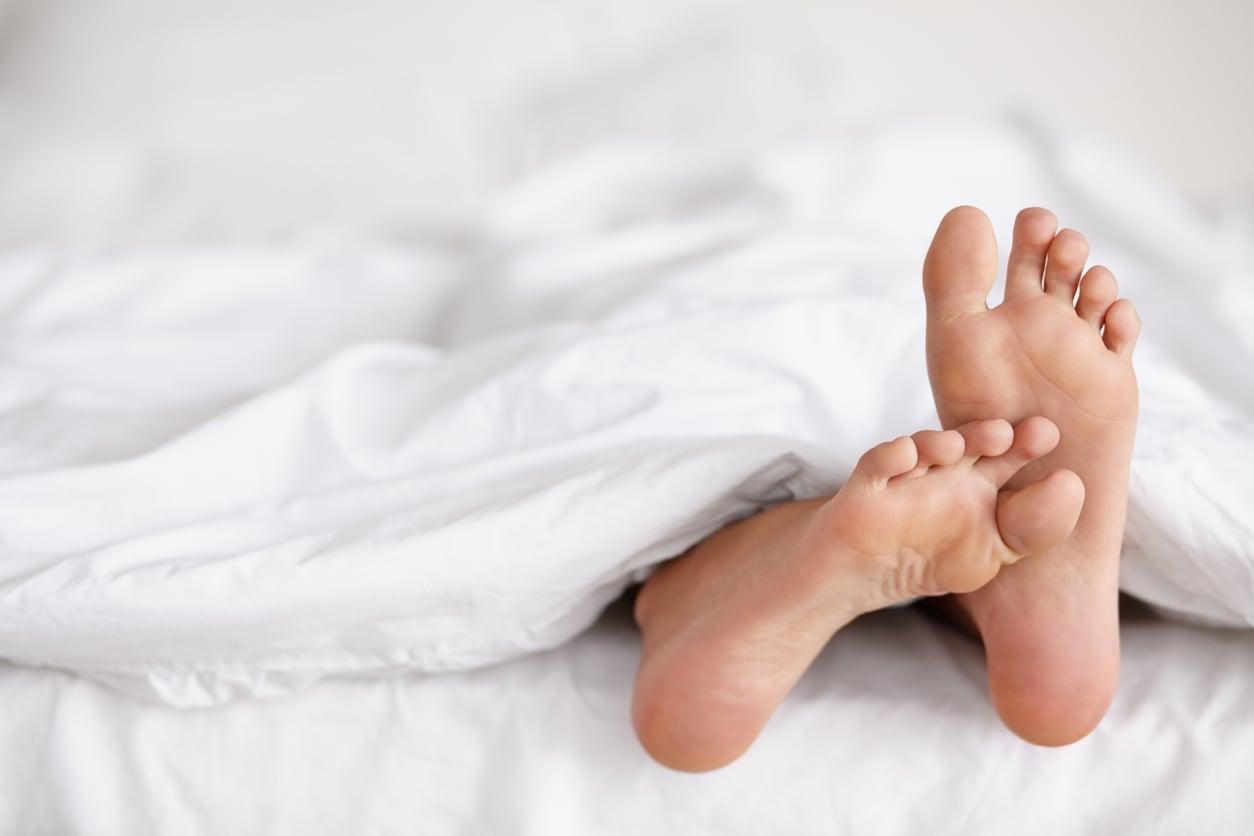
Athlete's foot is nothing to be ashamed of. It's one of the most common skin problems out there, yet somehow it's still the kind of thing we whisper about rather than talk openly about.
The good news? With early, consistent care at home, you can often ease the discomfort significantly and help your skin recover before the symptoms have a chance to get worse.
One important note: home remedies are meant to support, not replace, the opinion of a dermatologist — especially if the symptoms keep coming back, get worse, or if you also have diabetes or circulation problems.
But if you've only just noticed some redness, flaking, or itching, it's well worth acting early and intentionally.
1. Dry, well-aired feet are the foundation
Fungi love a warm, moist environment, which is exactly why the first and most important step is to dry your feet thoroughly after every wash — paying special attention to the spaces between your toes. Using a dedicated towel just for your feet also helps stop you from spreading the culprit around your home.
When it comes to socks, reach for cotton or bamboo fibre whenever you can. These materials breathe far better than synthetics, and it's best to swap them out daily.
2. A tea tree oil compress
Tea tree oil is well known for its natural antimicrobial properties, and it's become a popular home remedy in the fight against athlete's foot. Mix a few drops with a carrier oil — jojoba oil works well — and dab it onto the affected area with a cotton pad once or twice a day.
In its pure, undiluted form it can irritate the skin, so never apply it directly.
3. An apple cider vinegar soak
The mildly acidic nature of apple cider vinegar can create an unwelcoming environment for fungi. Add about half a cup of apple cider vinegar to a basin of lukewarm water, then soak your feet for ten to fifteen minutes and dry them thoroughly afterward.
Tip: If your skin is sensitive, test it on a small area first — vinegar can sting cracked or damaged skin.
4. A baking soda foot bath
Baking soda can neutralize unpleasant odours and help keep the skin dry, which is another condition fungi don't thrive in.
Stir one tablespoon of baking soda into about a litre of lukewarm water and soak your feet for ten minutes, two or three times a week. Always rinse and dry your skin thoroughly afterward, since lingering moisture on its own can become a breeding ground.
5. A garlic rub
Folk medicine has long championed garlic's strong, natural antibacterial and antifungal effects. Crush a few cloves, mix them with olive oil, and apply the paste to the affected area once a day — leaving it on for no more than ten to fifteen minutes before washing it off.
Because of its strong smell and intense effect, it's worth using with care, especially if you have sensitive skin.
6. Patience and consistency
Athlete's foot is a stubborn opponent, and home remedies only deliver results if you use them daily, over several weeks. If there's still no improvement after two or three weeks, or the symptoms worsen — with pain, swelling, or fever replacing the itching — be sure to see a professional, because at that point you may need medicated treatment.
Can home remedies really cure athlete's foot?
Home remedies can help ease discomfort and support your skin's recovery, especially when symptoms are caught early. However, they are meant to support rather than replace a dermatologist's advice, particularly if the problem persists.
How long before I see results from these remedies?
These methods only work with daily use over several weeks. If there's no improvement after two or three weeks, or the symptoms get worse, it's time to see a professional.
Why is keeping my feet dry so important?
Fungi thrive in warm, moist environments. Drying your feet thoroughly — especially between the toes — and wearing breathable socks makes it much harder for them to survive.
When should I see a doctor instead of treating it at home?
See a professional if the symptoms keep returning, worsen, or turn into pain, swelling, or fever — or if you have diabetes or circulation problems. In these cases, medicated treatment may be necessary.