If your garden is a balcony
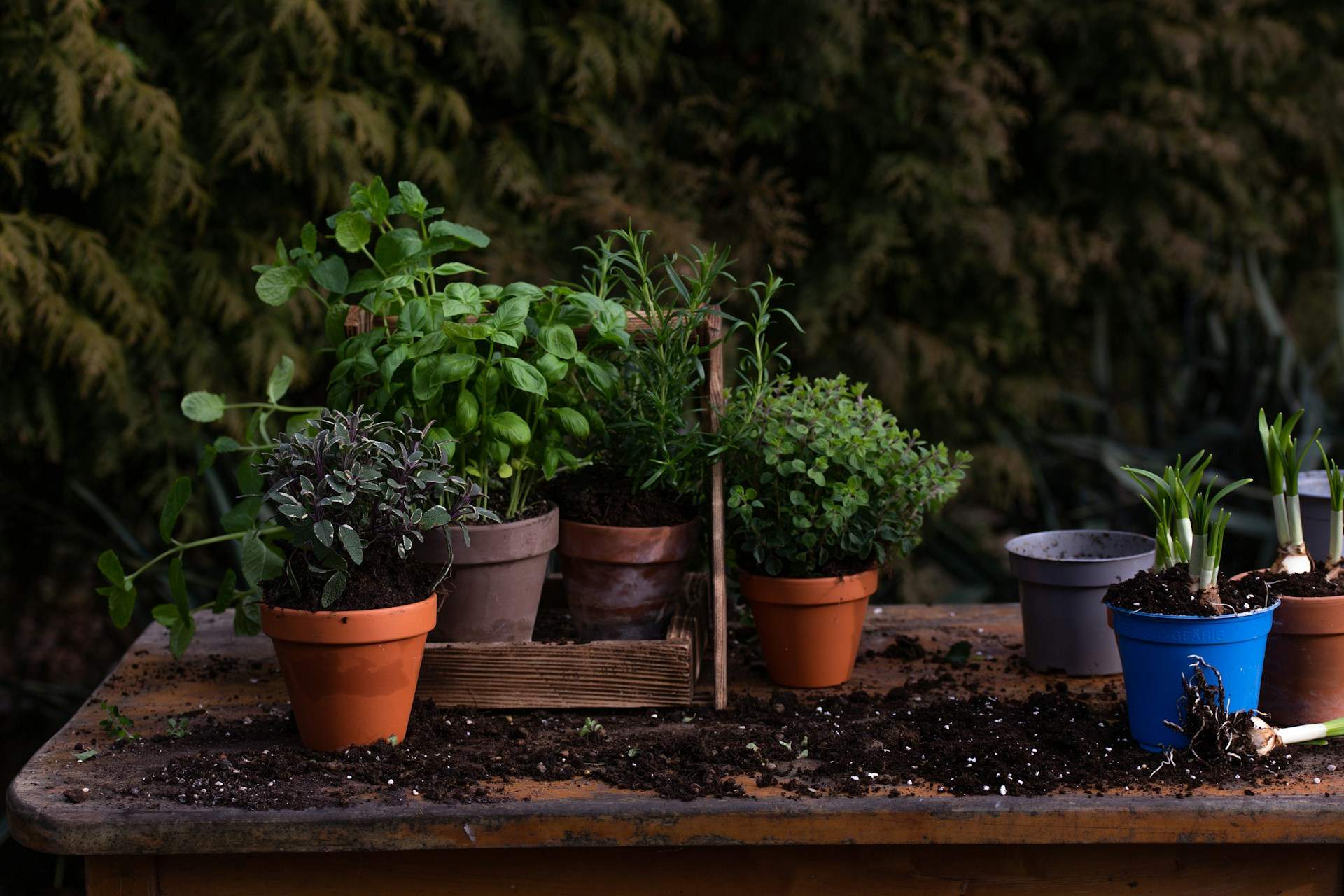
Containers are the exception to all this gentleness, because they're more vulnerable than open ground. Pots freeze from the sides as well as the top, so group them together against a wall, lift them onto feet or bits of wood so water drains rather than sitting and freezing at the base, and wrap the most precious ones in hessian or bubble wrap around the pot — not over the plant. Hydrangeas in pots still keep their old flower heads; they just also need a sheltered corner.
Empty out any container that's holding nothing but sour, compacted compost. That's a job that genuinely pays off, and it's much nicer to do in October sun than in February drizzle.
When is the right time to prune hydrangeas, then?
Early spring, once you can see the buds swelling and the hardest frosts are behind you. Cut each stem back to just above the first pair of plump, healthy buds, and take out any thin, crossing or dead wood at the base to open the plant up. It feels late compared with the autumn tidy-up instinct, but it's the timing that reliably gives you flowers.
Does leaving the garden messy over winter cause problems?
Not in the way we tend to assume. Dry, standing stems and seed heads are fine and actively useful as shelter and food for insects and birds, while wet, collapsed foliage sitting on plant crowns is the thing to remove. The distinction is dry-and-standing versus wet-and-slumped, not tidy versus untidy.