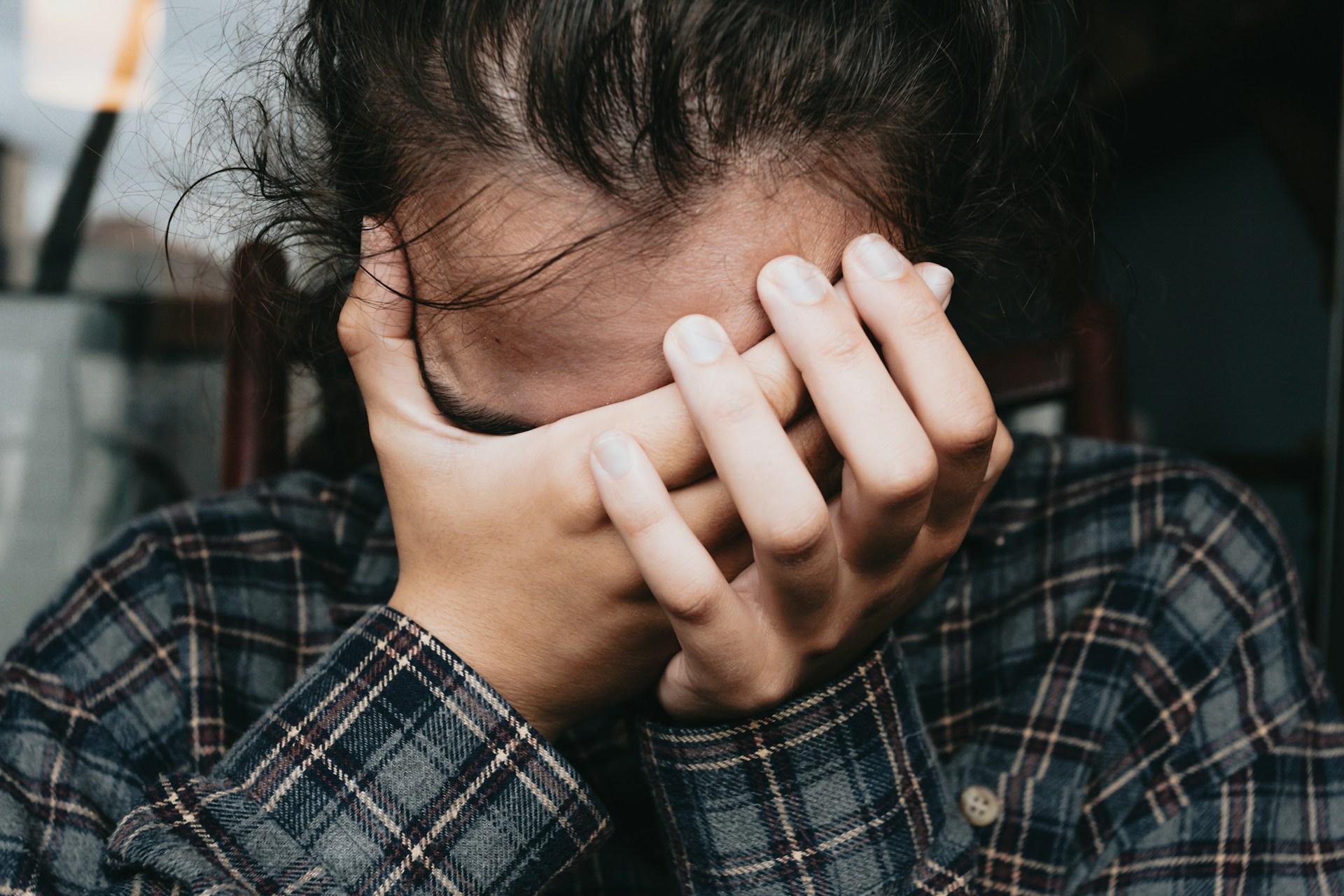
Many of us know the feeling of struggling to make certain decisions, express our emotions, or stand up for ourselves, no matter how much we want to.
The Roots of Emotional Blocks
Childhood is a sensitive time for psychological and emotional growth. During this period, we encounter situations, expectations, and experiences that can deeply shape our future behavior and emotional responses.
Often, parental expectations, family environment, or social norms set the tone for how we experience and express our feelings from an early age. For example, if a child learns that they must suppress their emotions because they don’t fit the image of being "good" or "strong," they may carry these blocks into adulthood.
How to Spot Emotional Blocks
Recognizing emotional blocks is a key step in self-awareness. People affected often notice that in certain situations, their anxiety spikes, they struggle to decide, or find it hard to express emotions. These signs point to something blocking the free flow of feelings and self-expression.
For some, this block is an inner critical voice judging every expression. For others, it shows up as avoiding conflict or focusing too much on others’ needs.

Releasing Emotional Blocks
Once you recognize emotional blocks, conscious effort to release them is essential. Building self-awareness and acknowledging negative childhood patterns can be game changers. Try these steps to support your journey:
- Self-reflection: Take time to notice when you feel blocked. Journaling your experiences and emotions can be a helpful tool.
- Professional support: Working with a therapist can help uncover childhood influences and develop effective coping strategies.
- Self-encouragement: Create positive affirmations to quiet your inner critic and boost your confidence.
- Practice gratitude: Focus on the positive parts of your life today to help release old patterns.
Remember, this process takes time and patience. Treat breaking down your inner barriers as a long-term goal worth investing in.

Improving Relationships by Releasing Emotional Blocks
Letting go of emotional blocks doesn’t just restore your inner balance—it can also transform your relationships. When we understand and manage our emotions, the quality of our connections with others improves.
A balanced, self-accepting person feels more confident socially and builds lasting relationships more easily because they can express their thoughts and feelings authentically.
Removing childhood-based emotional blocks is a vital step toward living a fuller, more balanced life. Patience, self-observation, and expert guidance are your best allies throughout this journey. The benefits will show not only within but also in the strength of your relationships.