Drywall is one of the coolest building materials today—and for good reason! It’s quick, clean, and super easy to work with, plus incredibly versatile. To get the most out of it, though, it helps to know the different types and their best uses. Which panel fits a bedroom, and which one is perfect for a humid bathroom? We’re here to guide you!
What Is Drywall Made Of?
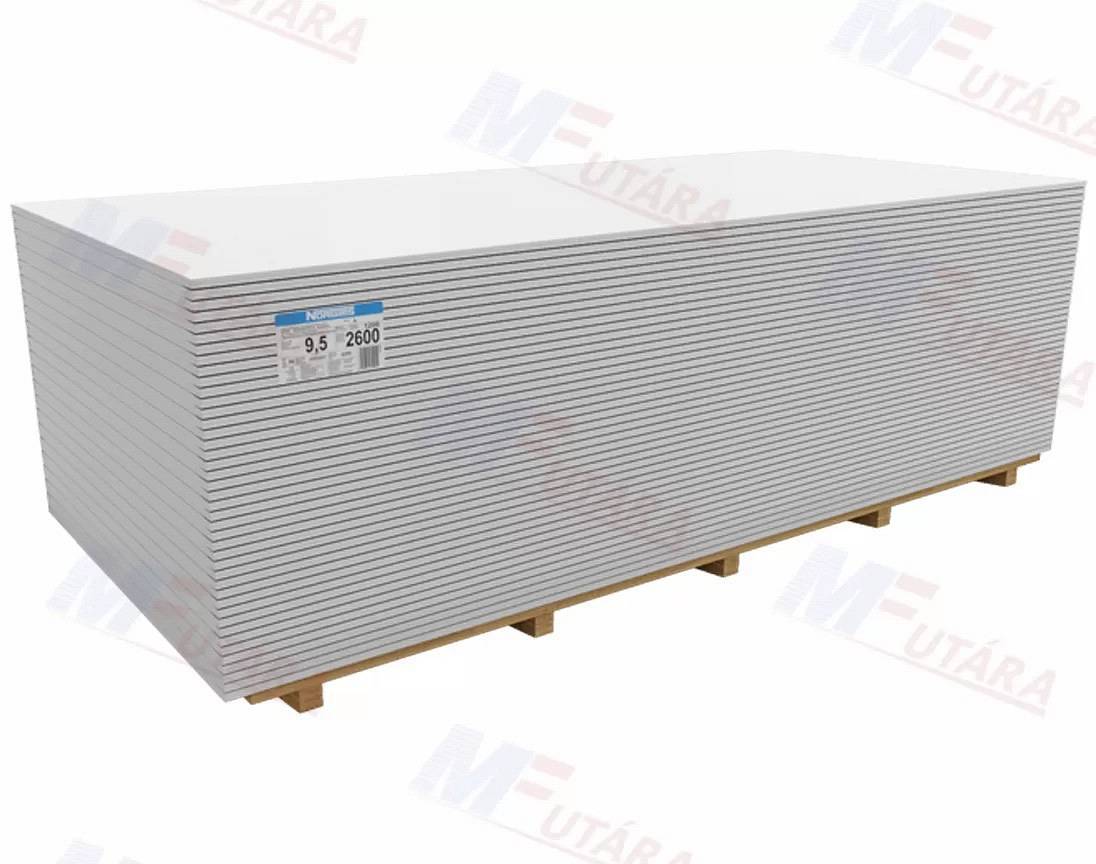
Drywall is basically a panel made from gypsum and recycled paper, covered with paper on both sides. The gypsum core often includes special additives like fiberglass to make it stronger, fire-resistant, or water-repellent. The paper covering gives it a smooth surface and helps keep the panels stable. Available in various thicknesses and sizes, you’ll find the perfect fit for almost any interior project.
Why Does Drywall Composition Matter for Its Use?
The composition of drywall largely determines its best uses. Both gypsum and paper dissolve in water, which is why drywall is mainly an indoor material rather than outdoor. Panels can be modified to resist moisture better, but they don’t reach the durability needed for outdoor use.
What Are the Benefits of Drywall?
Drywall offers tons of advantages, making it a top choice for interior spaces:
- Smooth surface: Drywall panels create a smooth, even surface—perfect for painting, wallpapering, or tiling. This saves you loads of time and effort prepping walls.
- Fast installation: Drywall is easy to cut, size, and fix in place, speeding up your project. Since it’s a dry construction method, there’s no long drying time, so you can move on quickly.
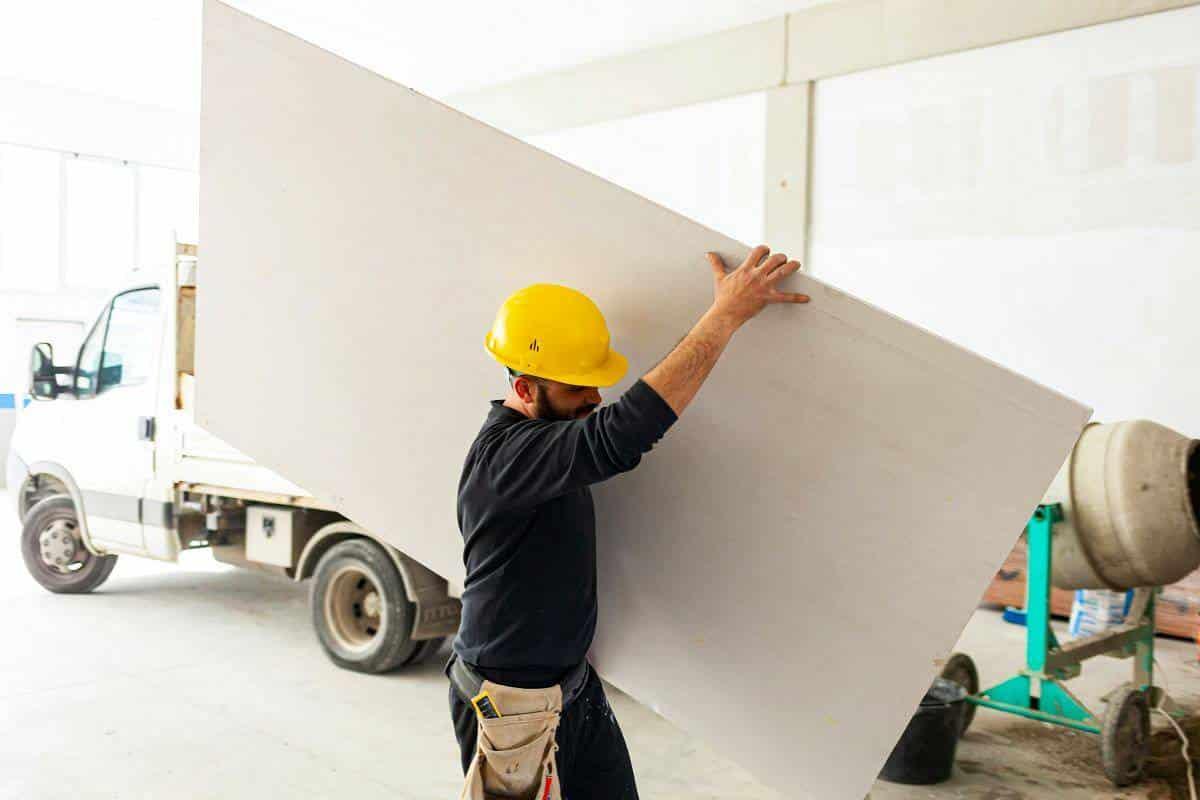
- Great for walls and ceilings: Its versatility means drywall works well for walls and suspended ceilings alike. It’s lightweight, so even large surfaces can be safely installed.
- Saves on wall repairs and paint removal: If your walls are old or damaged, adding a drywall layer can skip the hassle of stripping paint and extensive repairs—saving you time and money.
- Hides unsightly wiring: Drywall walls and ceilings are perfect for concealing cables, pipes, and other installations, giving your space a clean, organized look.
What Are the Drawbacks of Drywall?
While drywall has many perks, it’s good to be aware of its limitations to avoid surprises:
- Not all types suit damp spaces: Traditional drywall is sensitive to moisture and humidity. In wet environments, it can soften, mold, and lose strength. That’s why it’s crucial to choose the right moisture-resistant type for bathrooms and other humid rooms.
- Not for outdoor use: Drywall is strictly for indoor use. Weather elements like rain, snow, frost, and direct sunlight would ruin it.
- Limited load-bearing capacity: Drywall panels alone can’t hold heavy weight. For mounting shelves, cabinets, or TVs, you’ll need special anchors or reinforcements. It’s not suitable for building heavy structures like lofts or stairs.
- Relatively fragile: Drywall is a soft material prone to dents and cracks from impacts. While repairable, keep this in mind especially in high-traffic areas.
Main Types of Drywall
At the MesterekFutára online store, you’ll find a wide range of drywall panels, each with special features tailored to specific needs:
- Standard drywall: The most common and affordable type, usually white or gray. Ideal for interior walls, partitions, and ceilings where no extra properties like fire or moisture resistance are needed.
- Moisture-resistant drywall: Recognizable by its green color, this type contains special water-repellent additives that make it resistant to moisture and humidity. Perfect for bathrooms, kitchens, and other damp rooms.
- Fire-resistant drywall: Pinkish in color and reinforced with fire-retardant additives like fiberglass. It slows fire spread and boosts building safety. Often required in certain buildings or special rooms like boiler rooms and garages.
- Soundproof drywall: Thicker and denser than standard drywall, with additives that improve sound insulation. Great for offices, bedrooms, or any space where peace and quiet matter.
What Can You Make with Drywall Panels?
Thanks to its versatility, drywall is a favorite in construction and home renovation. Here are some common uses:
- Furring walls: Quickly level uneven walls, hide ugly wiring, or improve thermal and sound insulation without demolishing existing walls.
- Partitions: Erect drywall partitions fast and affordably to reshape spaces, create new rooms, closets, or offices.
- Suspended ceilings: Not only stylish but practical. Hide ceiling flaws, wires, ventilation, and install spotlights. They can also improve room acoustics and temperature.
Which Drywall Should You Use in Bedrooms and Living Rooms?
Choosing drywall for bedrooms and living rooms is usually straightforward since these rooms don’t face extreme conditions like high humidity or fire risk. Still, consider your specific needs:
- Standard white drywall: Most bedrooms and living rooms do well with standard white or gray drywall. It’s the most cost-effective option and provides a great base for painting or wallpaper. It offers sufficient strength under normal conditions.
- Soundproof drywall: If noise reduction matters—like noisy neighbors, busy streets, or home offices—consider soundproof drywall. It significantly improves room acoustics and creates a calmer environment. Though pricier, it’s a worthwhile investment for comfort.
Why Can’t You Use Standard Drywall in Bathrooms or Humid Rooms?
Unfortunately, standard drywall isn’t suitable for bathrooms or other humid spaces. The gypsum core is sensitive to moisture. When it contacts water or high humidity, it absorbs moisture, causing several issues:
- Softening and warping: Moisture softens the gypsum core, weakening it and causing deformation. This can lead to cracks, warping, or even structural failure.
- Mold growth: Damp drywall is a perfect breeding ground for mold and mildew. Mold isn’t just unsightly—it can harm health, triggering allergies and respiratory issues.
- Structural damage: Prolonged moisture damages drywall durability, causing tiles or paint to peel. This leads to costly repairs and downtime.
Which Drywall Is Suitable for Bathrooms?
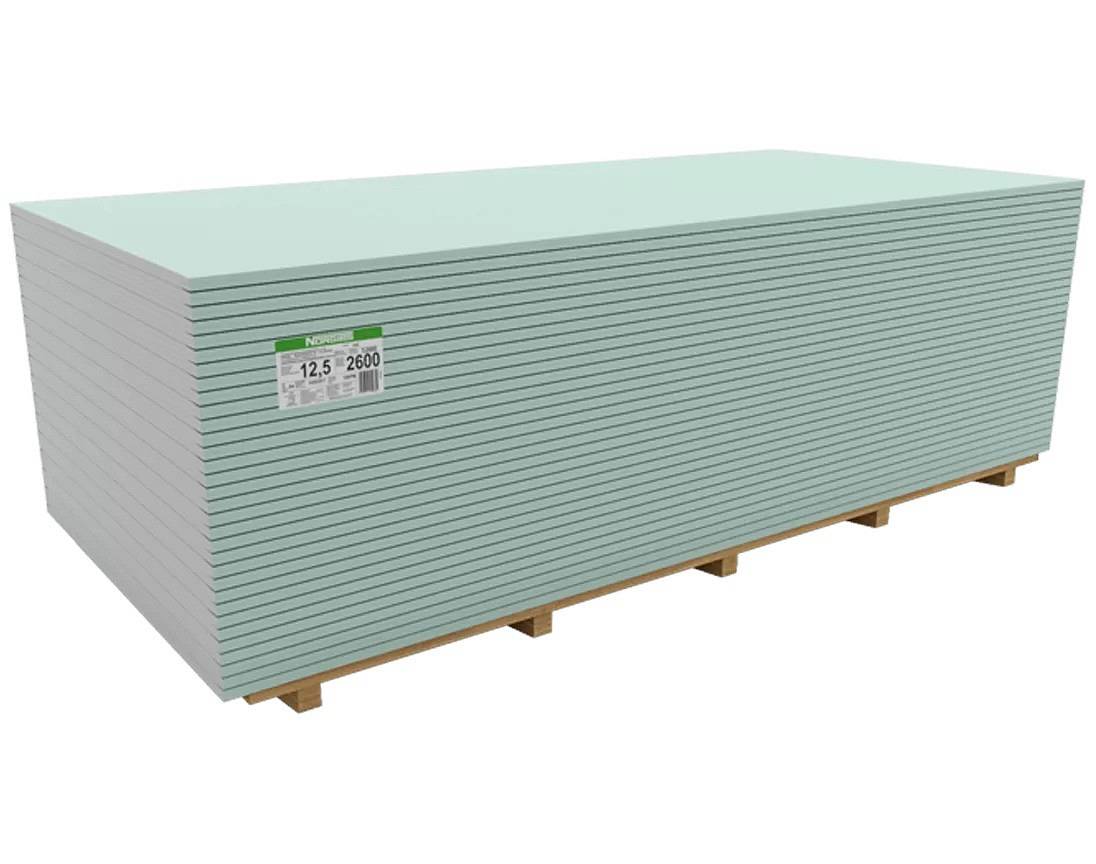
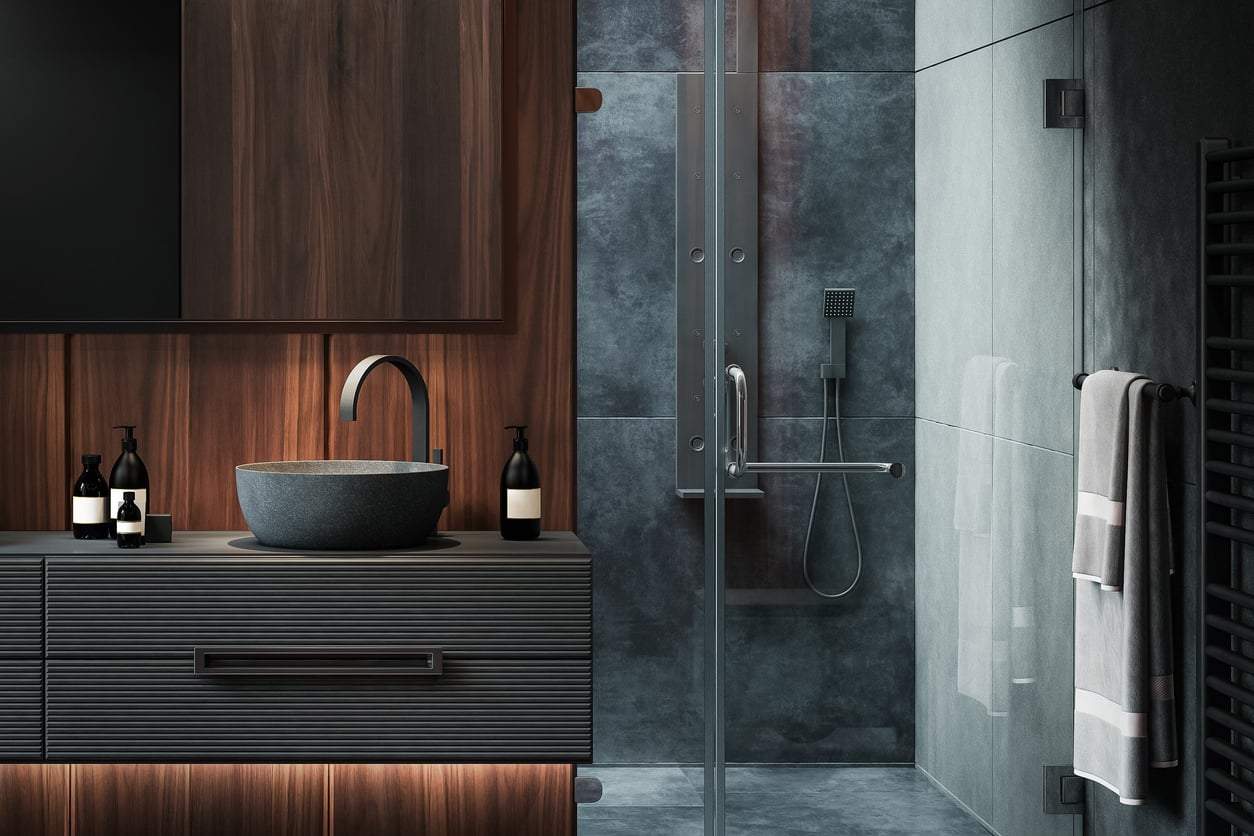
Because bathrooms and other wet areas have special needs, choosing the right drywall type is essential. Only moisture-resistant drywall (green-colored) fits the bill here.
How Well Does Moisture-Resistant Drywall Handle Water and Humidity?
Moisture-resistant drywall (the green kind) is specially designed to withstand moisture and high humidity, making it ideal for bathrooms, kitchens, and other wet spaces. The gypsum core is treated with water-repellent additives like silicone, reducing water absorption. The paper covering also has a waterproof coating.
However, it’s important to know that moisture-resistant drywall isn’t fully waterproof—it repels water but isn’t meant for direct, prolonged water exposure, like shower walls without waterproofing. Areas exposed directly to water, such as inside showers, still require proper waterproofing before tiling. When installed correctly with suitable waterproofing, moisture-resistant drywall offers a reliable long-term solution for bathrooms.
If you’re thinking about ordering drywall or need more advice, reach out to the experts at Mesterek Futára!