When we set up our new kitchen a few years ago, the cooktop was one of the appliances I was most excited about. The glass surface not only looks clean and modern but also seems easy to clean – or so it appears. However, it’s this very smoothness that makes the surface especially vulnerable if you use the wrong cleaners or tools.
Why Can Glass Cooktops Get Damaged?
Most modern glass cooktops are made from tempered glass with a thin, heat-resistant, and scratch-resistant coating. This coating helps keep the surface shiny and withstand daily heat – but it’s not invincible.
Harsh chemicals, strong acids, or abrasive cleaners can wear down this protective layer over time, leaving the glass dull, scratched, and less attractive.
Which Cleaners Should You Avoid?
Chlorine or bleach-based cleaners: These strong chemicals don’t just remove dirt—they can damage the glass surface itself. Over time, they dull the glass’s shine and may cause staining.
Ammonia-based sprays: While ammonia cleaners are common for glass windows, they’re not a good choice for glass cooktops. Ammonia can leave permanent streaks or spots and release toxic fumes at high temperatures.
Strong industrial degreasers: These sound effective for tough grease, but many contain solvents that chemically attack tempered glass, causing lasting damage.
Abrasive powders and creams: Even if marketed for kitchen use, these cleaners can cause microscopic scratches that build up, making your cooktop look dull and scratched.
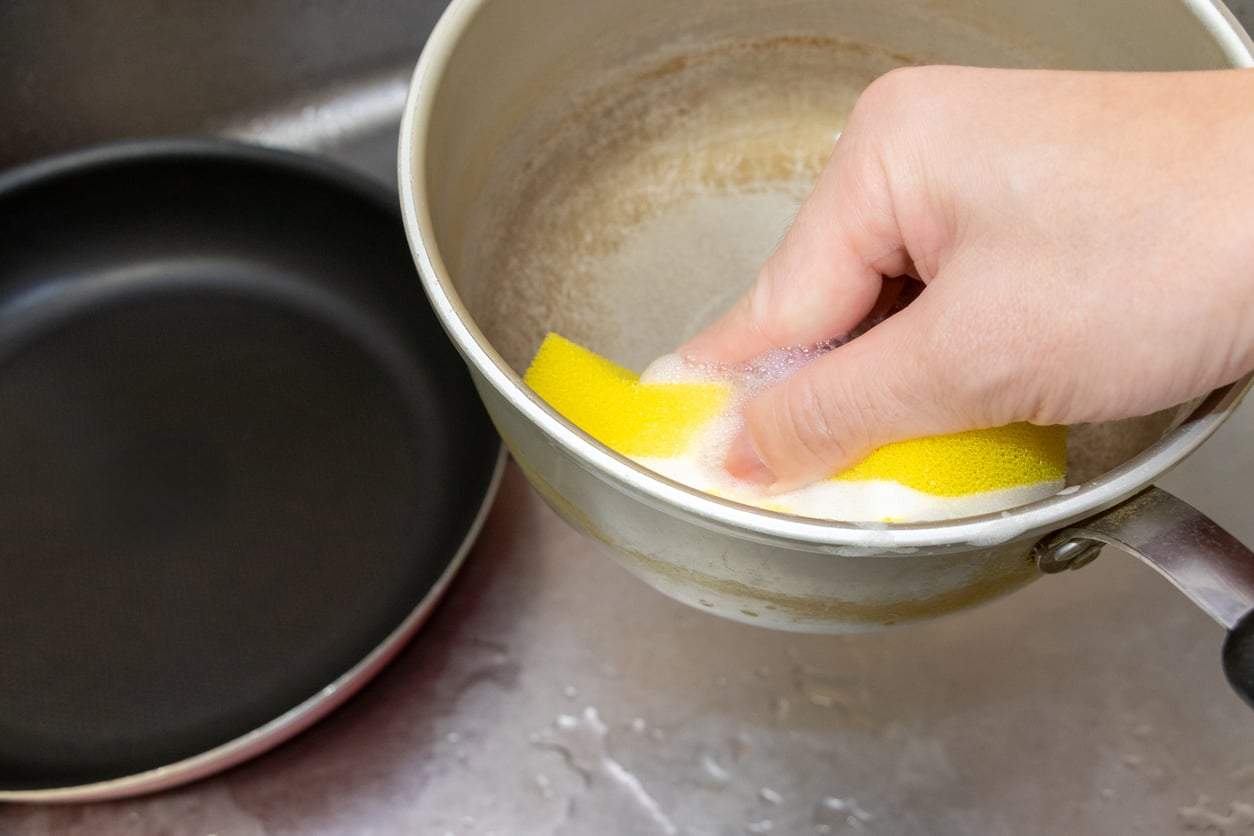
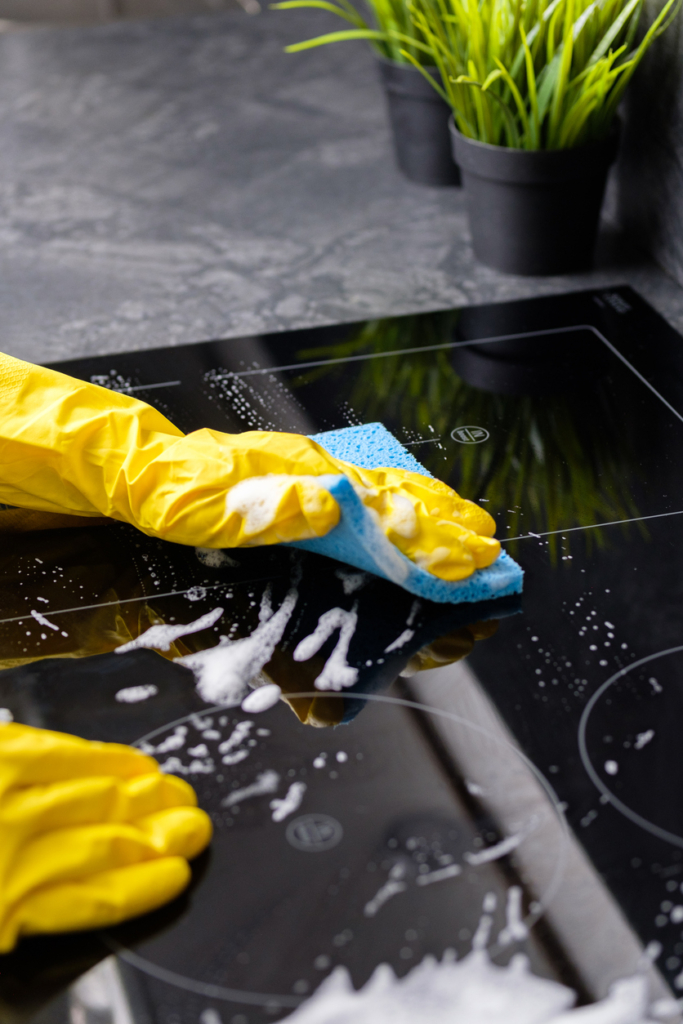
Scrubbing sponges and metal tools: Steel wool, metal scrubbers, or the rough side of kitchen sponges can mechanically scratch the surface, even if the cleaner itself isn’t harmful.
Acidic homemade cleaners (like vinegar or lemon): Even natural cleaners can be risky. Strong acids can weaken the glass coating over time.

What Can You Safely Use?
Not all cleaners are harmful. For glass cooktops, gentle, pH-neutral or mildly alkaline cleaners are your safest bet. These often contain surfactants that break down dirt without damaging the glass.
Tips for Safe Cleaning
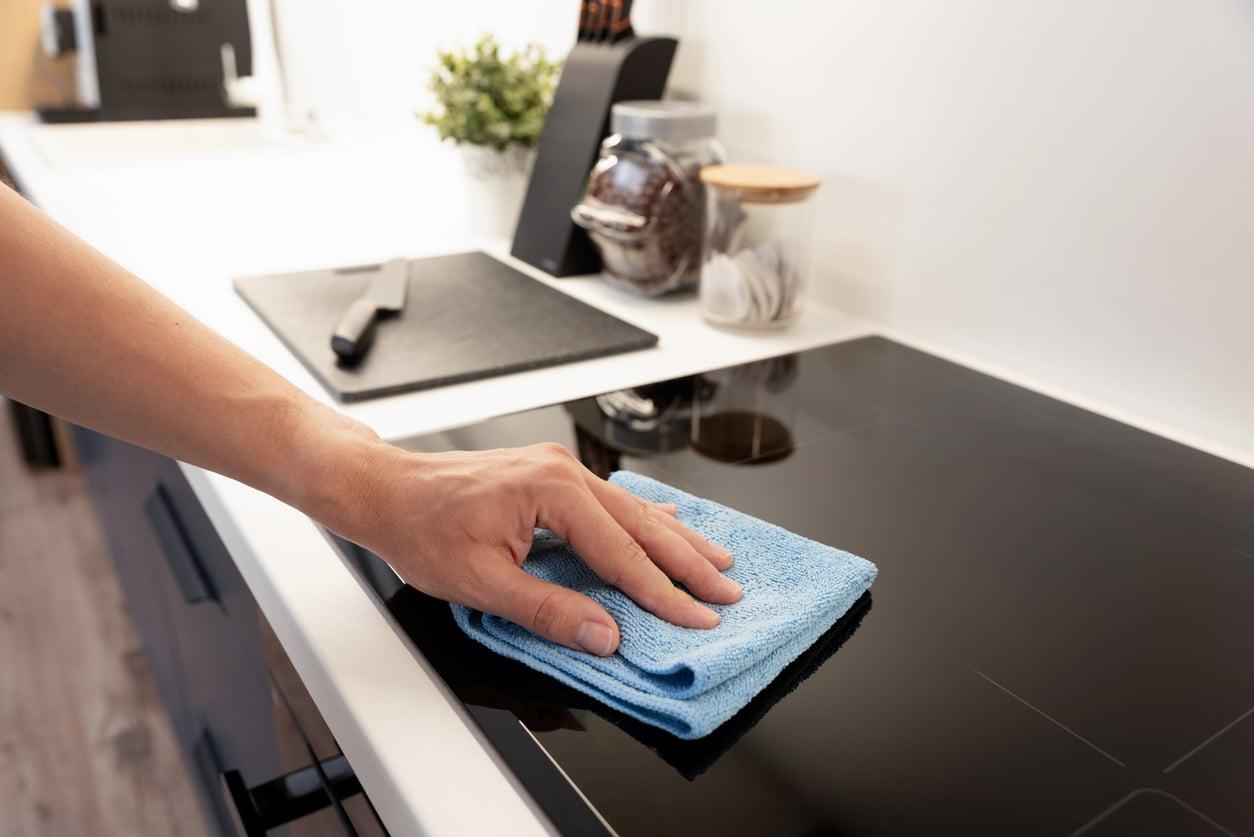
Use a microfiber cloth—it won’t scratch the surface. Choose a medium-strength, pH-neutral cleaner or a product made specifically for glass cooktops. For stubborn stains, let the cleaner sit for a bit instead of scrubbing hard.
Wait until the surface is completely cool—never apply cleaner to a hot cooktop!
A glass cooktop is both stylish and practical—but it stays that way only with proper care. Harsh chemicals, gritty cleaners, and abrasive scrubbing can cause serious damage over time, so avoid reaching for these first. Instead, pick gentle, pH-neutral cleaners and be mindful never to scratch or scrub aggressively. This way, your cooktop will keep its shine and flawless look for years to come.