In abortion debates, one question keeps coming up that sounds fair at first: what about the dad? Should he have a say in whether the woman he got pregnant decides to keep the baby? What if he wants to, is ready to raise the child, but she isn’t?
This is an emotionally tough question, and I don’t think it can be discussed as just a legal or theoretical issue. Real people face real loss and pain behind this.
And yes: in today’s reality, the dad cannot decide.
If a woman decides she doesn’t want to carry the pregnancy, that decision is hers alone. Many see this as unfair, harsh, even inhumane.
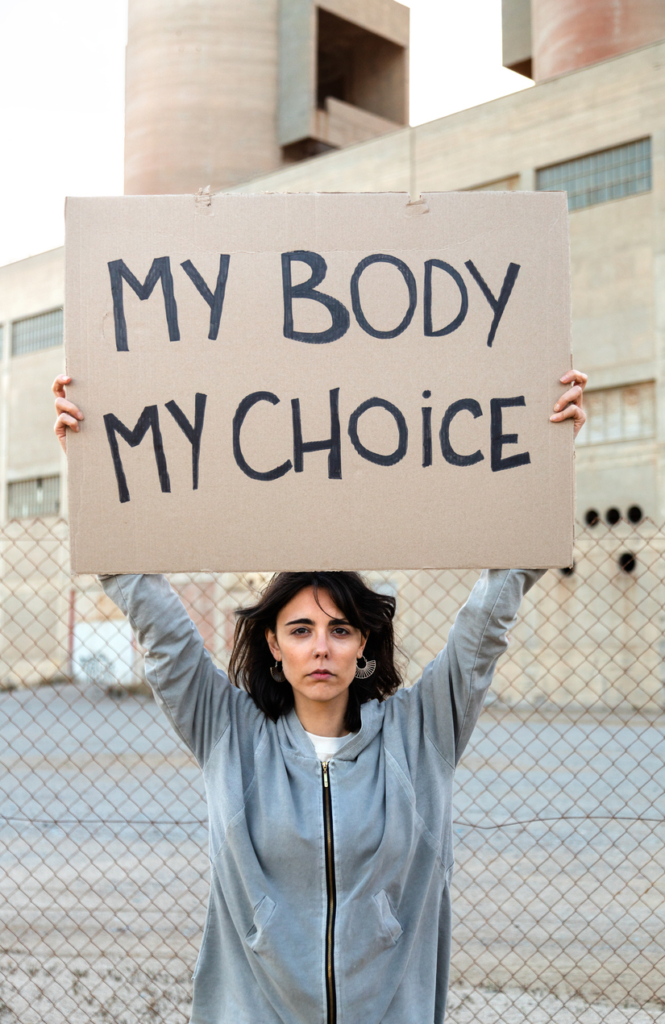
Still, I believe there’s no better solution than this.
Like it or not, parenting burdens aren’t equal. And that means our rights can’t be equal either. Pregnancy isn’t an abstract state or a shared project where “both our bodies are involved.” It’s a biological process happening inside one person’s body. The biological mother’s. Her health, pain, risks, and life.
As long as a pregnancy exists, it’s not just a “future child”, but a biological process inside a woman’s body. If she decides she can’t go through with it, no one else has the right to interfere—morally or legally.
I understand the pain of dads. I get the feeling of being involved but powerless. I know it can bring grief, anger, and helplessness. These feelings are real and deserve respect. But feeling hurt doesn’t automatically give someone rights over another’s body.
You can’t vote biology fair. You can’t say “let’s split it 50/50” because pregnancy can’t be divided. There’s no compromise on who bears the physical consequences.
The mother bears them. Period.
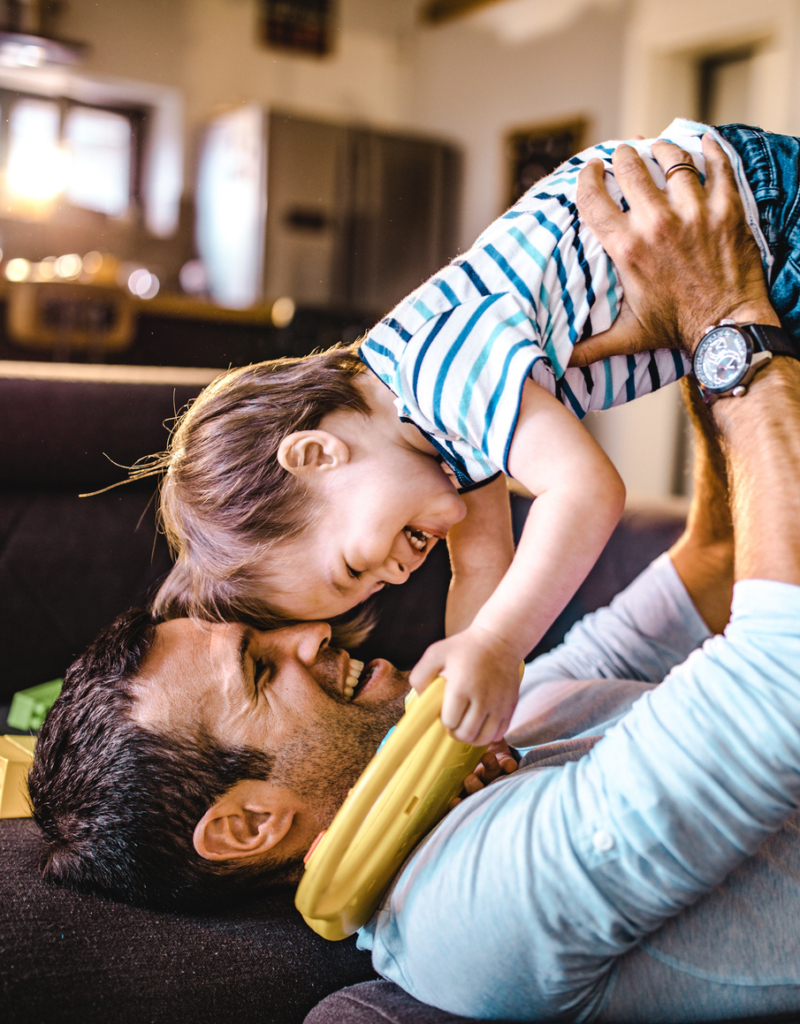
But what if the dad is ready to step up?
When someone says, “But what if the dad wants to raise the child and the woman doesn’t?”, we have to ask: what’s the alternative? Forcing a woman against her will to carry a pregnancy for nine months and give birth? To go through a physical and emotional process she doesn’t want, can’t, or won’t endure? That’s not justice—it’s violence. A state and societal-level cruelty.
I believe in fathers’ rights. I believe that once a child is born, dads should be full parents—with equal responsibility, expectations, and rights. I also believe fatherhood is not secondary, not just “help,” but a unique, defining relationship in its own right.
But one person’s rights end where they limit another’s. Making decisions over someone else’s body crosses that line.
The abortion debate isn’t against dads. It’s about women’s bodily autonomy. And as long as pregnancy can’t be shared, neither can the decision. It’s a painful truth—but it’s true.