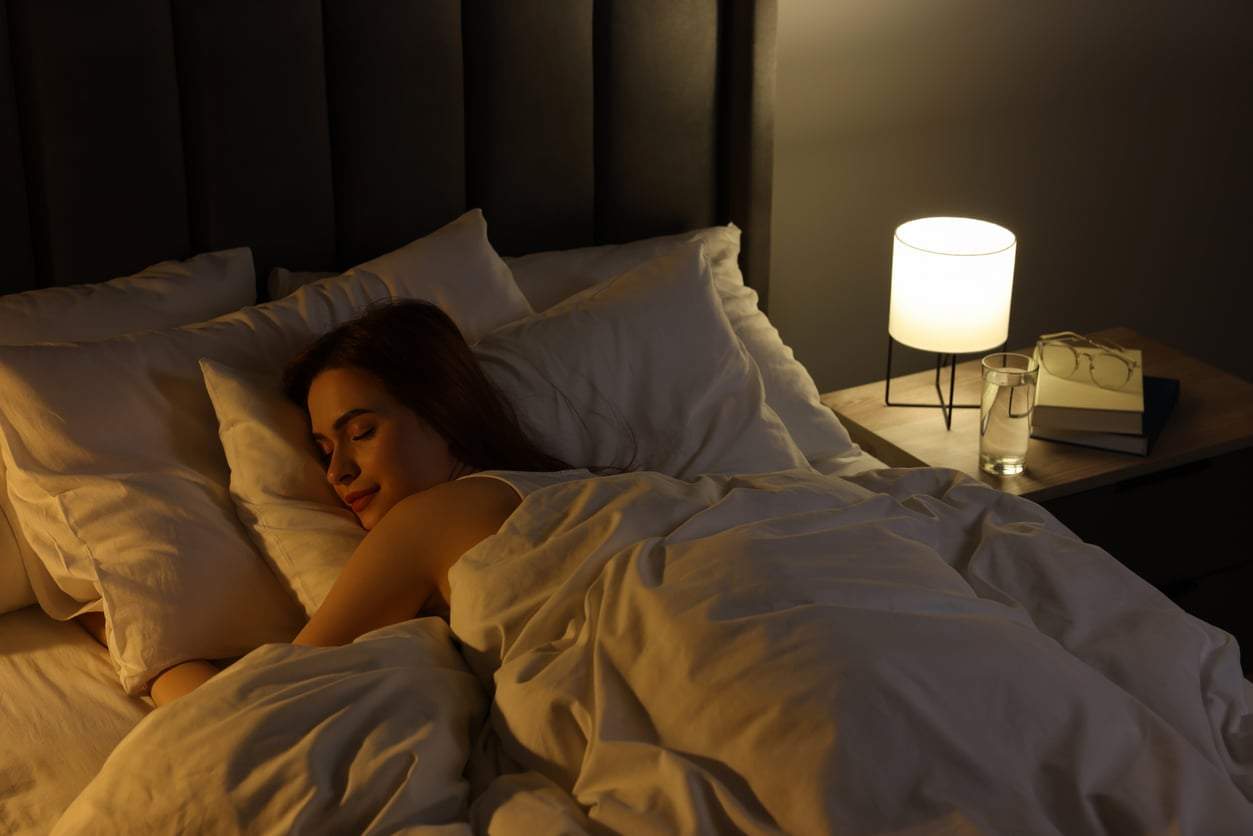
When it comes to getting enough sleep, most advice focuses on what you should do before bed. Gentle stretches, a warm bath, reading, calming teas like chamomile or passionflower. But what if the thought of adding more habits to your evenings feels exhausting? That’s when a different approach can help: not adding, but subtracting certain things. This mindset is called “habit off-ramping,” which means consciously reducing disruptive habits. Dr. Liz Ross, a clinical psychologist and sleep specialist, says this can feel more manageable and less overwhelming than constantly trying to build new bedtime routines.
“When we consistently drop behaviors that overstimulate us, the nervous system naturally shifts into the calm state needed for falling asleep,” she explains.
Off-ramping isn’t about forcing sleep. It’s about removing signals that keep you awake, so sleep can come easier and without pressure.
You Don’t Have to Drop Everything at Once
The good news? Letting go of just one habit can make a noticeable difference.
“Eliminating even one behavior that amps up your alertness helps your nervous system start to calm down, which can motivate more positive changes,” Ross says.
The key isn’t perfection, it’s consistency. Pick one habit you feel ready to drop, practice it for a few weeks, and watch how your sleep improves. Here are some evening habits experts recommend cutting back on first.

Evening Habits to Avoid for Restful Sleep
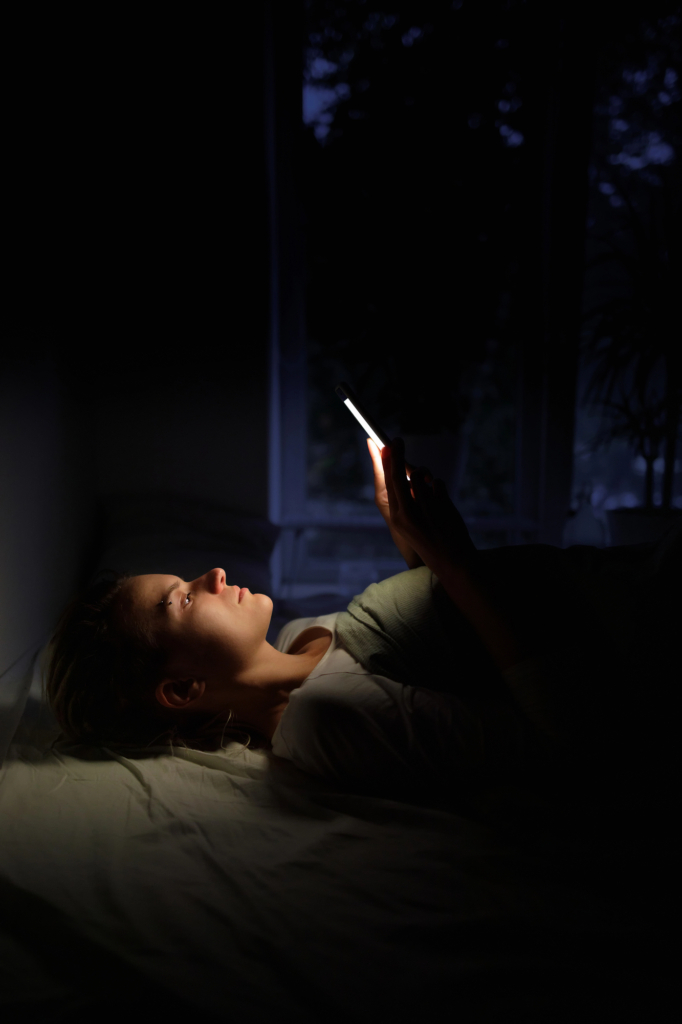
Screen Time Before Bed
No matter how tempting that last video or episode is, screens don’t help you relax—they do the opposite. Electronic devices emit blue light, similar to morning sunlight. This signals your brain that it’s time to be alert. As a result, falling asleep can be harder, and your sleep may be lighter.
What to Do Instead?
The ideal move is to avoid blue light 1–2 hours before bedtime. Swap screen time for gentle stretches, yoga, tai chi, a shower, or peaceful moments with family or pets. If you can’t fully give up screens, blue light filters or blocking glasses can help.

Late-Night Eating
After a long day, the evening often feels like the best time to eat. The problem is that late meals can disrupt your circadian rhythm. When your body is busy digesting, your brain gets the message that energy is still needed—not rest. Ideally, finish your last main meal 2–3 hours before bed. If you must eat late, choose a light snack like yogurt with fruit and a bit of granola.

Alcohol Consumption
That “small glass” before bed might seem relaxing at first, but it fragments your sleep cycles later in the night. You might fall asleep faster but wake up more often. If you want to drink, do it earlier—like with dinner—and finish at least three hours before bedtime. Late evenings are better for herbal tea or non-alcoholic sparkling drinks.

Racing Thoughts and “What If…” Planning
Planning, problem-solving, or overthinking in bed is one of the biggest sleep disruptors. It keeps your brain active and solution-focused—exactly the opposite of what you need to fall asleep.

Solution
Get those thoughts out of your head before bedtime. Make a list of next-day tasks or write down your worries in another room, not in bed. It also helps to jot down 2–3 possible solutions for each concern—this makes it easier for your brain to “let go” at night.

Heavy, Emotionally Charged Conversations
Serious, conflict-filled, or problem-solving talks before bed can easily stir up emotions and thoughts, harming sleep quality. It’s better to save these for weekend mornings or daytime meetings. If evening is the only option, set a firm cutoff—wrap up at least an hour before bedtime.
Better sleep doesn’t always mean more routines; sometimes it means doing less. When you start consciously dropping evening habits that overstimulate you, your nervous system will thank you—and sleep will come more naturally.