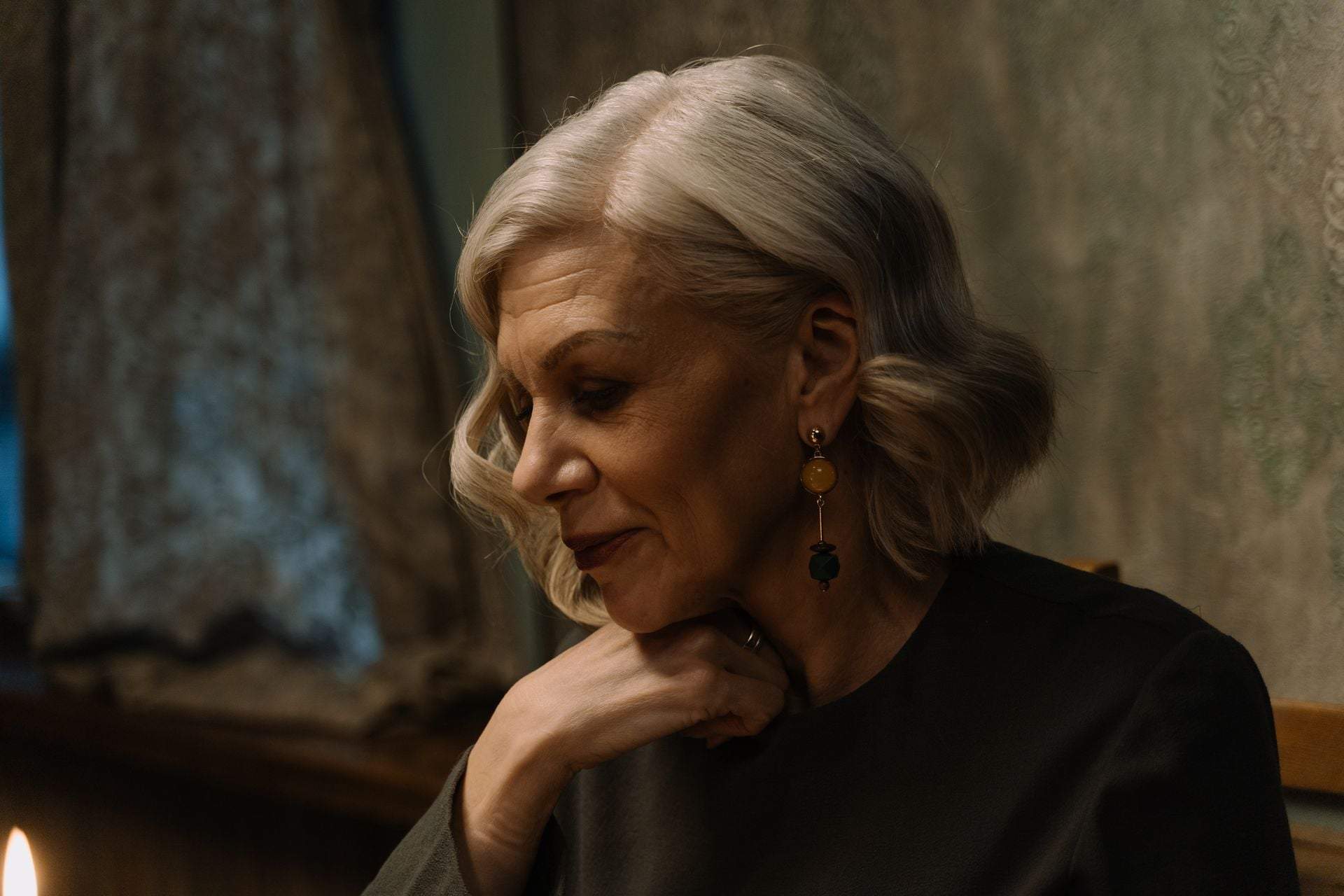
Cut matters more than people expect. Blended grey looks its best with movement and visible ends, which is why a soft layered bob or long layers tend to flatter it, while a very blunt, very heavy line can make it look severe. And give the rest of your face a moment: cooler-toned hair often wants a slightly warmer blush and a lip with some pigment in it, simply to restore the contrast the old colour was quietly providing.
Will grey blending work if I only have a little grey?
Yes, and arguably it is easiest to start then, because there is no dramatic line to hide and the transition is almost invisible to anyone else. With scattered grey around the temples and parting, a few well-placed fine highlights plus a gloss can buy you months of looking tidy. The earlier you move away from an all-over permanent tint, the less you will have to grow out later.
How long does it take to grow out colour completely?
That depends entirely on your hair's length and growth rate, and on how much pigment is sitting on the ends — a short cut can get there in a handful of months, while long hair may take a couple of years or a series of gradual cuts. Blending is popular precisely because it makes the in-between period liveable rather than something to hide; if the halfway stage is making you miserable, a colourist can always deepen the tone again, so no decision here is permanent.