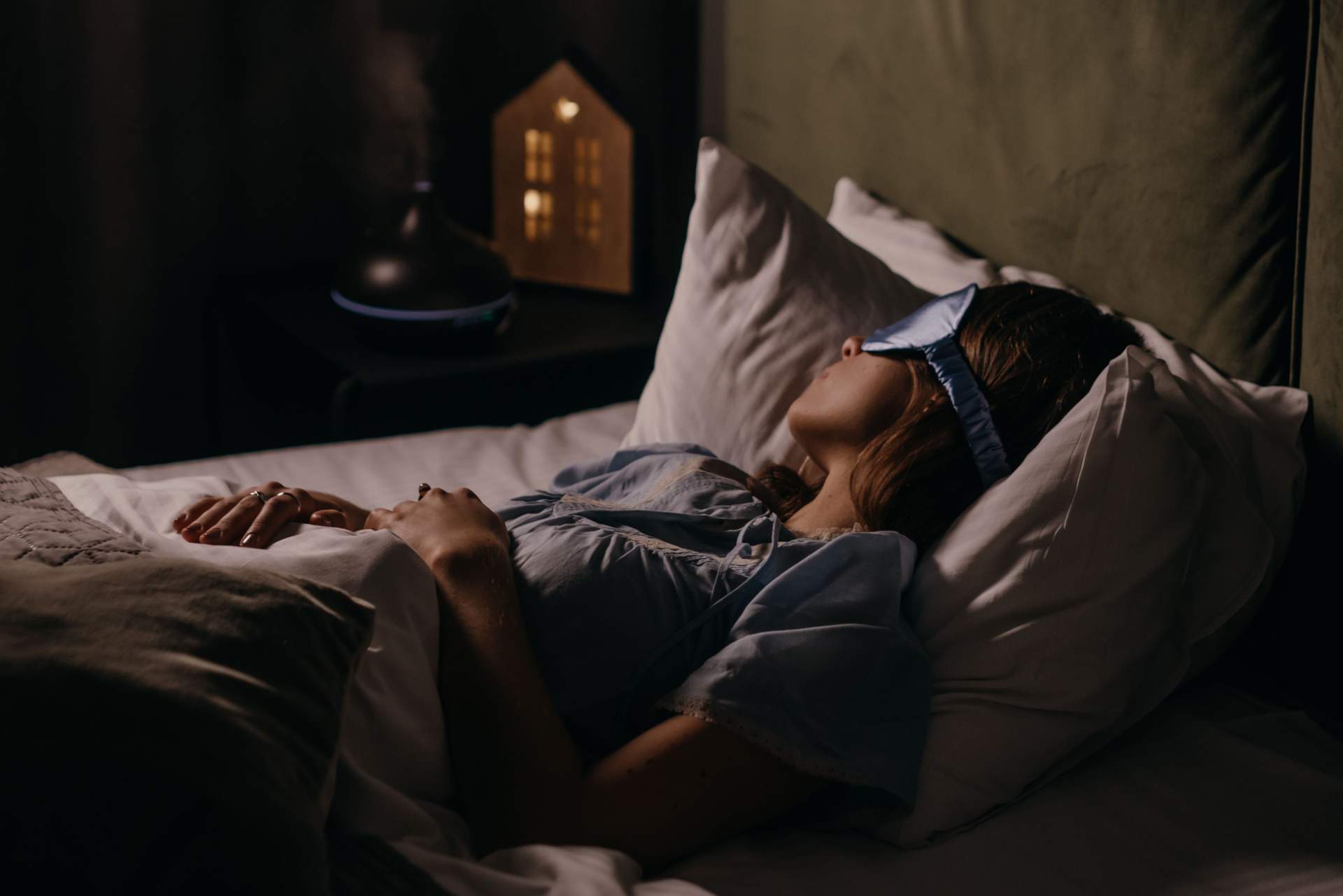
Staying up late is a common part of modern life—whether it’s work, fun, or just the daily hustle. But skipping or delaying your night’s sleep can have serious effects that we often overlook. Let’s explore what happens to your body and health when you put late-night activities before rest!
Sleep is one of the body’s most essential biological needs, allowing both your body and mind to recharge. During the deeper stages of sleep cycles, important processes happen: your nervous system clears out unnecessary information, and your cells regenerate.
Sleep has three main phases, with the deepest and most restorative being REM (Rapid Eye Movement) sleep. Late-night activities, especially screen time, can disrupt these cycles, potentially leading to chronic sleep deprivation over time.
Hormonal Balance Gets Disrupted

Choosing to stay up late, especially after 11 PM, affects your hormonal balance. Hormones that regulate your sleep-wake cycle, like melatonin, struggle to do their job when your body’s natural rhythm is disrupted.
If this becomes a habit, it can weaken your immune system, making you more vulnerable to illnesses.
Plus, higher stress hormone levels can increase long-term health risks, including heart and vascular issues.
The Impact of Late-Night Snacking

Late-night wakefulness often comes with snacking, which can worsen the effects of staying up. Nighttime snacking negatively impacts your metabolism and hormone regulation.
Eating late can also disrupt weight control because your body handles extra calories less efficiently at night, potentially leading to weight gain.
Decline in Cognitive Abilities
Consistently breaking your sleep cycle and staying up late can impair your cognitive skills. You’ll find it harder to focus, which lowers your work efficiency and learning capacity.
These issues don’t just affect daily productivity—they also impact memory and overall mental health in the long run. Insomnia can lead to mood swings and increase the risk of mental health challenges like depression.
Challenges to Your Social Life
Late-night wakefulness also has social consequences. Maintaining family and friend connections gets tougher when you regularly miss out on shared rest and recharge time.
Constant fatigue can take a toll on your social life, leaving you with less energy for activities together, which may lead to isolation.
Tips to Improve Natural Sleep

Addressing this challenge takes courage and patience. Gradually adjust your daily rhythm and adopt habits that support natural sleep.
For example, create a consistent evening routine that includes relaxing activities like reading a good book, taking a warm bath, or meditating. Keep screens away in the evening to help your body produce melatonin.
Creating the Ideal Sleep Environment
Don’t forget to optimize your bedroom for sleep. Blackout curtains, the right temperature, and quiet all help you get restful sleep. Think of your bedroom as a sanctuary for recharging, not a burden.
Building the right sleep environment is key to your long-term health and well-being, helping you avoid the harmful effects of late-night wakefulness.