When the phone rings at night, I already know: something’s wrong. There was a time when a nighttime call didn’t bring fear but opportunity, and the screen lighting up sparked excitement rather than tightening my stomach.
Often, friends would call spontaneously for a party, or a girlfriend fresh from a tough breakup needed an urgent heart-to-heart. If there was trouble, it was the kind of “young adult drama” we could handle: a missed train, lost keys, a date gone wrong… These were challenges with solutions, more like adventures than real threats.
Somewhere along the way, this changed. Not overnight, but almost unnoticed. Now, when my phone rings at night, my first thought isn’t “What happened?” but “How serious is this?”…
This is the moment you quietly step into a new, unexpected role. You’re no longer responsible just for yourself but pulled in many directions: worrying about aging parents and relatives who once felt like your safety net. On the other side are younger generations who need calm, stability, and strength—even when your own chest tightens inside. Living as the sandwich generation means constant readiness, as if you never truly get to rest because someone always needs your attention.
When the Ringing Carries Weight
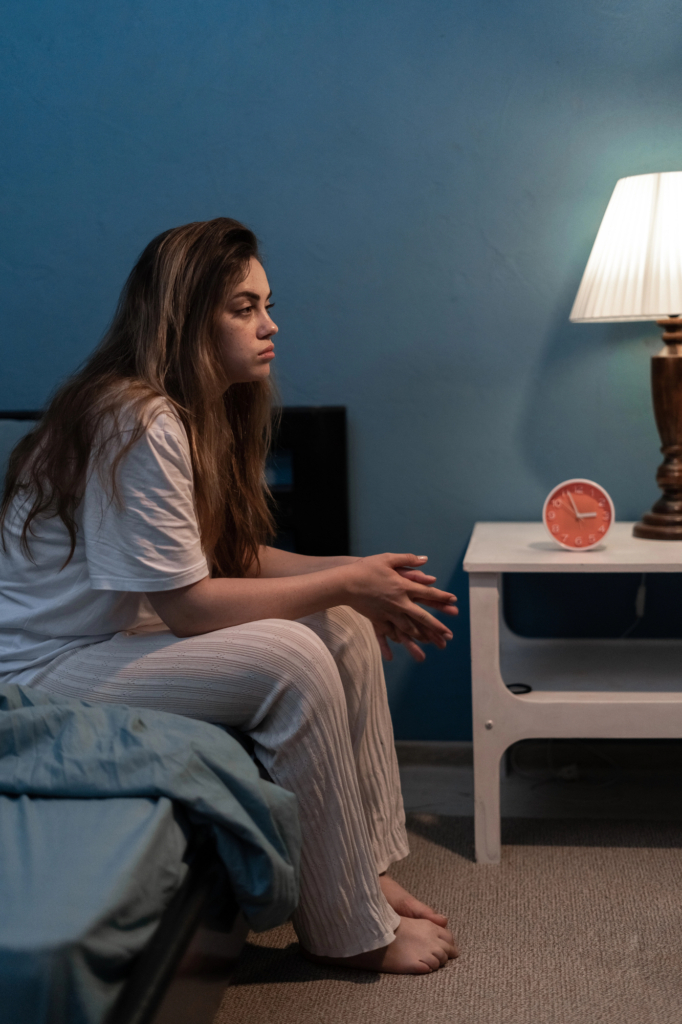
Seeing a family member’s name light up on the screen at an unexpected hour feels very different now. It’s not curiosity but tension and worry, as if the air in the dark room thickens instantly. My mind races through scenarios before I’m even sure if I’m dreaming or fully awake.
Recently, that anxiety took shape. The early morning call wasn’t a mistake, a misdial, or a quick “don’t panic” chat. We had to call an ambulance for my mother-in-law. That night, the silence wasn’t broken by the laughter or whispers of youth, but by the sharp, cold sound of sirens.

We were lucky. Help arrived in time, and the situation was resolved. But the moment you hang up after calling emergency services leaves a deep mark. Suddenly, there’s nothing left to do but wait. The silence doesn’t soothe; it grows louder, and time stretches strangely, as if everything is happening at once but going nowhere. That’s when you truly realize how fragile what once felt stable really is.
When normalcy returns, an unspoken, heavy truth lingers.
A thought we finally voiced at home: we’ve reached the stage in life when nighttime calls no longer bring good news. And that knowledge can’t be put back in the drawer.
Time Is a Harsh but Steady Teacher
It teaches us that our parents, relatives, and eventually ourselves become more vulnerable. The night, once a playground for freedom and spontaneity, now belongs to uncertainty. Peaceful silence is no longer a given but a fragile gift. While we used to easily switch off or mute our phones, now we stay alert even half-asleep, as if keeping the phone close helps us control the uncontrollable.

We rarely talk about these fears, but we should. By day, we function, organize, hold it together, and focus on tasks. But at night, just before sleep, those questions surface that we hesitate to say aloud: What if it happens again? What if help doesn’t arrive in time? What if one day we’re not the ones calling for help, but someone else’s phone rings because of us…
And as I try to come to terms with this reality, I already see the outlines of the next chapter. My daughter is soon entering the age of late-night outings, the one who will be called for exciting adventures—and the one someone else will worry about beside their loud phone. It’s a strange realization. As you step out of one role, you slide right into the next, and your worries don’t disappear—they just take on a new face.