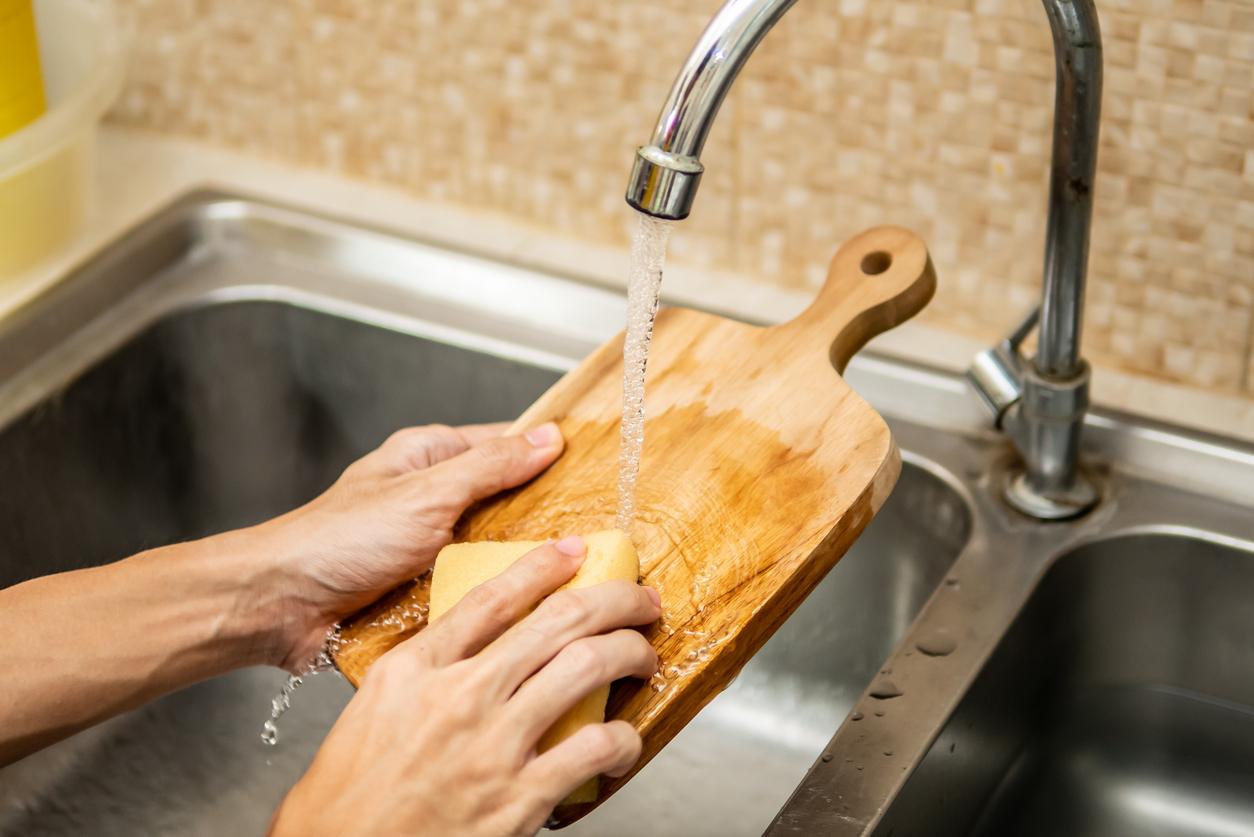
The wooden cutting board is a kitchen essential for many: natural, beautiful, durable, and much gentler on knife edges than plastic alternatives. But it has one less-loved trait: it tends to soak up strong odors. After chopping onions, garlic, fish, raw meat, or intense spices, it often "remembers" the previous meal even after thorough washing.
Thankfully, this isn’t the end of the road for your board. Southern Living recently highlighted some easy, natural methods to quickly eliminate unpleasant smells and keep your wooden cutting board fresh for the long haul.
Why Does a Wooden Cutting Board Hold Onto Odors?
Wood is a living, natural material with a structure full of tiny pores. These pores absorb moisture, oils, and food residues during use, all of which carry odors.
If the board doesn’t dry completely after each use or isn’t regularly oiled, these smells build up over time. The stronger the ingredient, the tougher the lingering scent.
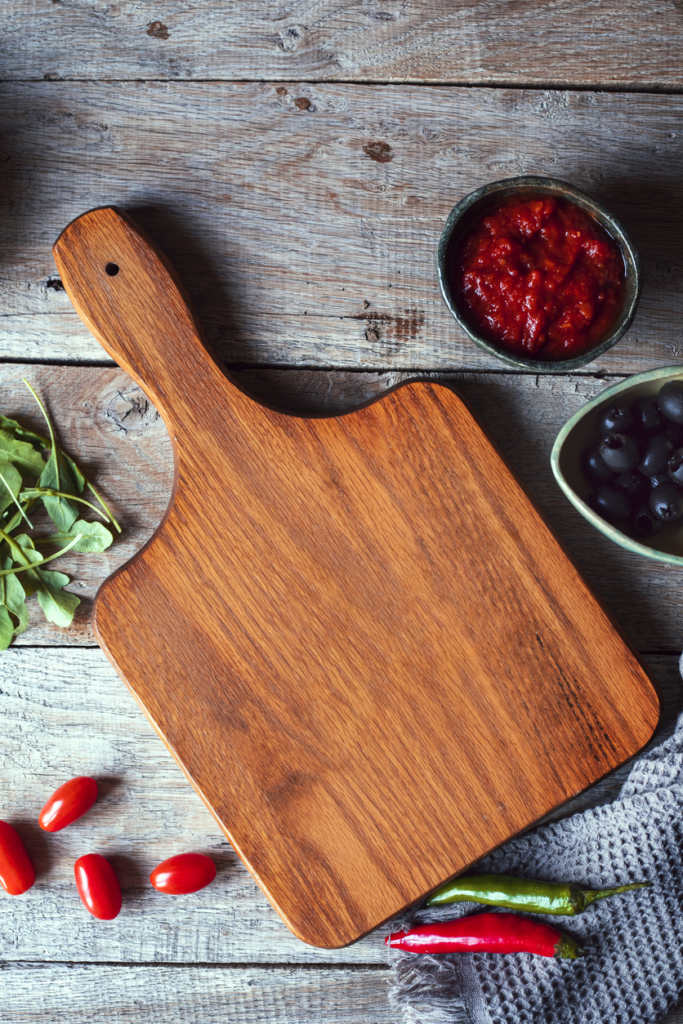
Quick and Simple Fixes for Mild Odors
If there’s just a faint onion or garlic smell left, a quick natural cleaning might do the trick.
Salt and Lemon – The Classic Combo
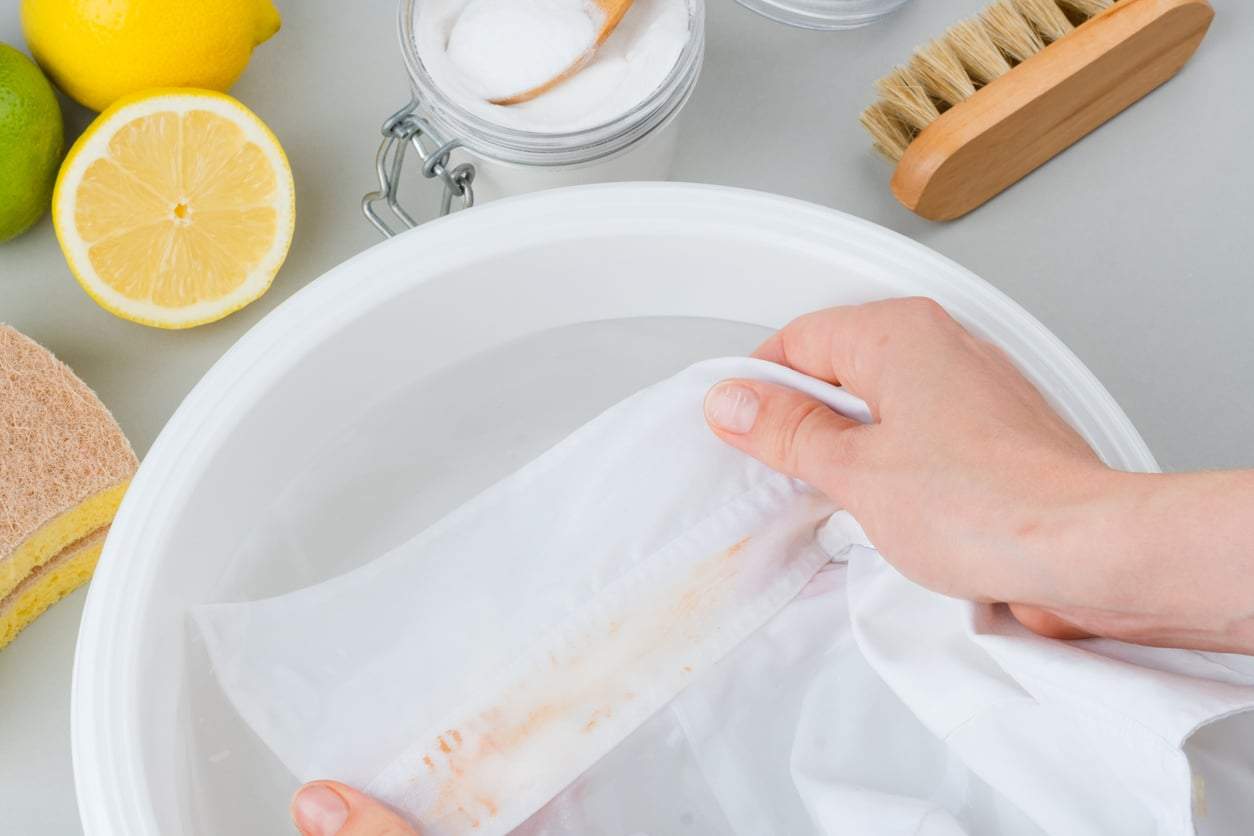
Sprinkle coarse salt on the board, then rub it with half a lemon. The salt gently scrubs away residue, while the lemon’s acidity helps neutralize odors. Rinse well and dry thoroughly afterward.

Baking Soda Cleaning
Mix baking soda with a little water to form a thick paste, then rub it onto the surface. After a few minutes, rinse and dry. This method works especially well after everyday cooking.
What to Do When Odors Are Really Stubborn?
After raw meat, fish, or heavily spiced dishes, the smell can sink deeper into the wood. In these cases, a more thorough cleaning is worth trying.
Baking Soda and Vinegar Together
Sprinkle baking soda on the board, then spray with white vinegar. The fizzing reaction helps loosen buildup and lift odors. Scrub well, rinse, and let dry completely.
Lemon Juice or Vinegar Water
If you don’t have baking soda on hand, pure lemon juice or water diluted with vinegar can also be effective. These natural disinfectants and deodorants won’t harm the wood.
What to Avoid with Wooden Cutting Boards
Wooden and plastic cutting boards need different care.
- Never soak your board in water or put it in the dishwasher—heat and moisture can cause warping and cracking.
- Avoid bleach and harsh chemicals, as they dry out and discolor the wood.
- Strongly scented dish soaps can also be tricky since wood easily absorbs their fragrances.
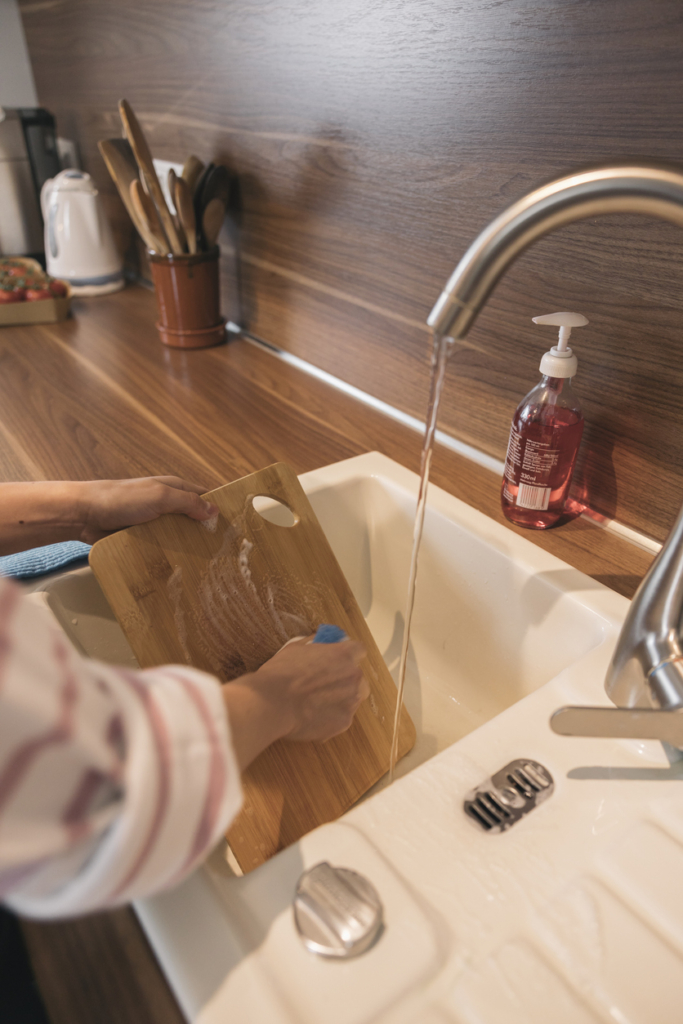
How to Prevent Unpleasant Odors
Prevention is key—simple habits make a big difference.
- Always dry your cutting board completely after use, preferably standing up so air can circulate around it.
- Regularly treat it with food-grade mineral oil or special cutting board oil to reduce moisture and odor absorption.
- Use separate boards: one for raw meat and fish, another for veggies, fruits, or bread.
- Avoid excess moisture, as too much water not only boosts odors but also shortens the wood’s lifespan.
With these simple, natural methods, your wooden cutting board will stay fresh and beautiful for years—and you won’t have to worry about your morning apple tasting like last night’s onion.