These symptoms can be important signals, and ignoring them might lead to more serious issues down the road.
1. Irregular Periods
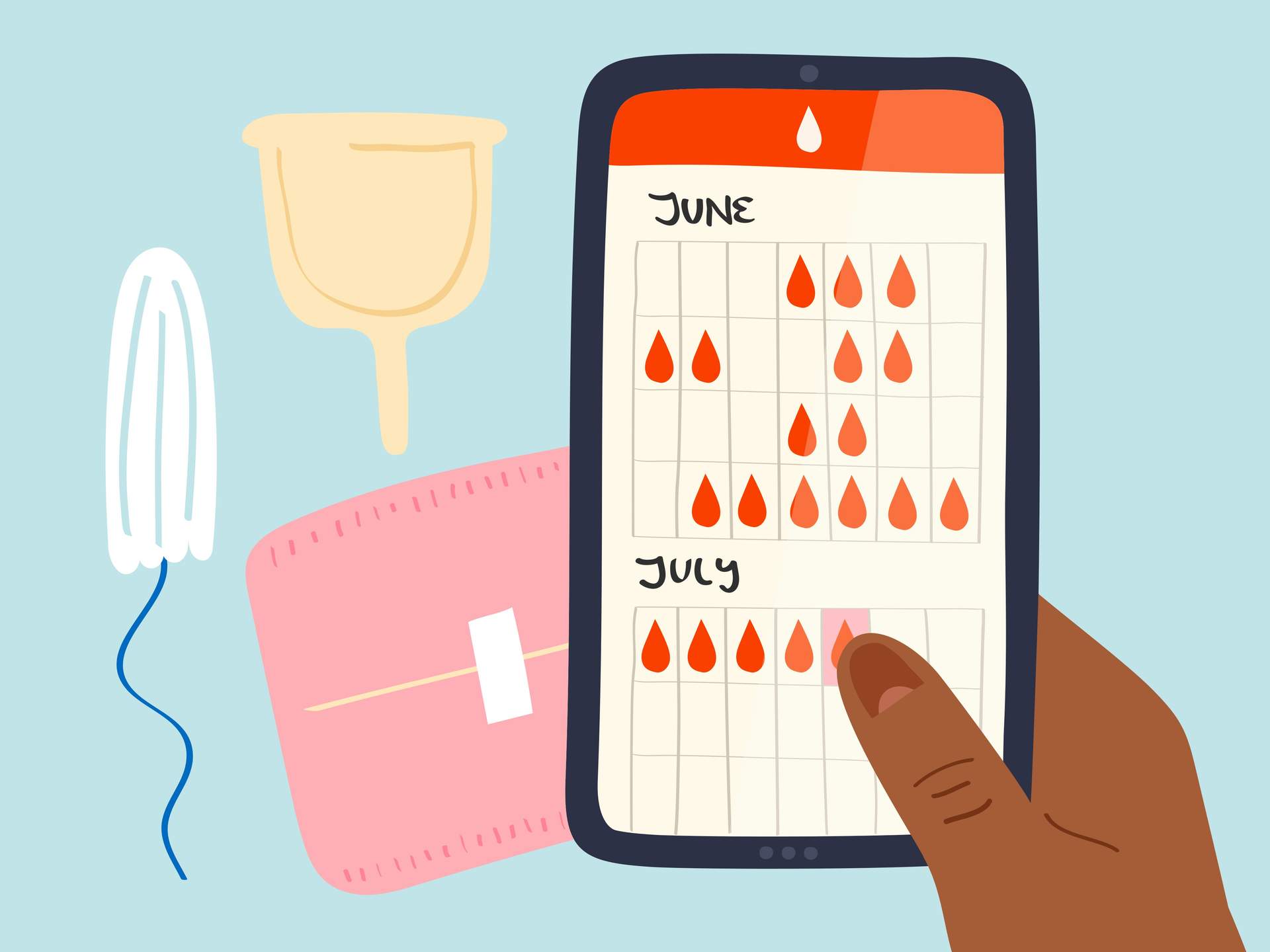
Irregular periods are often blamed on stress or lifestyle changes. But they can signal deeper hormonal imbalances like polycystic ovary syndrome (PCOS) or thyroid issues. These not only disrupt your cycle but can also affect fertility over time.
2. Constant Fatigue
We often think we just need more sleep to beat fatigue. But persistent exhaustion can be a sign of hormonal imbalance, like fluctuating cortisol levels from adrenal fatigue.

3. Struggling to Lose Weight
If the scale won’t budge despite your efforts, it’s not just willpower. Hormonal issues like leptin and insulin resistance can sabotage your progress. These need medical guidance to manage effectively.
4. Decreased Libido
While stress and lifestyle shifts often lower libido, hormonal imbalances like low estrogen or testosterone can also be behind it. Don’t ignore these signs—they can impact your emotional well-being and relationships.

5. Severe Acne
Adult acne can be a frustrating reminder of teenage years. It often signals hormonal shifts, like excess androgen levels. Skincare alone won’t cut it—these cases usually require thorough hormone testing.

6. Hair Loss
Hair loss is often blamed on stress or seasonal changes. But it can also stem from hormonal issues like underactive thyroid or androgenic hair loss.

7. Mood Swings
Many feel emotionally overwhelmed before their period. Extreme mood swings and depressive episodes can result from dramatic hormone shifts, especially fluctuations in estrogen and progesterone.

8. Sudden Weight Gain or Loss
Sudden changes in weight often have hormonal roots. Insulin resistance and thyroid disorders are common culprits behind these shifts.
9. Insomnia
Sleep troubles like insomnia often stem from disruptions in cortisol or melatonin hormones. Tackling these usually requires professional support.

10. Chronic Headaches
Ongoing migraines can also be linked to hormonal changes, especially headaches tied to the menstrual cycle. Managing them requires a special approach that considers hormonal triggers.

All these symptoms highlight how crucial hormonal balance is for overall health and well-being. So, always consult a specialist if you notice unusual, persistent symptoms—don’t just brush them off as "normal women’s things."