Live with it before you commit
Order fabric samples and tape them to the wall where the piece will sit. Look at them in morning light, in lamplight, and on an overcast day. North-facing rooms pull warmth out of colours, which is why a raspberry can read as dusty mauve and a soft sage can turn grey and cold. Nobody discovers this from a screen.
Also think honestly about the household. If you have a toddler, a dog, or a partner who eats pasta on the sofa, the finish matters as much as the shade. A washable cover or a tough velvet in a mid-depth colour will age far better than a pale flat weave that shows every mark by Christmas.
What if I get bored of a bright sofa in two years?
Boredom is usually a symptom of a room that never adapted around the piece, rather than of the colour itself. Before you consider replacing anything, change the cushions, swap the rug, move a lamp, or repaint one wall — a strong sofa reads completely differently against warm white than against deep charcoal. If you genuinely still want it gone, a good upholsterer or a well-made cover is dramatically cheaper than starting again, and a smaller statement piece sells on far more easily than a large one.
Which colours are easiest to live with long term?
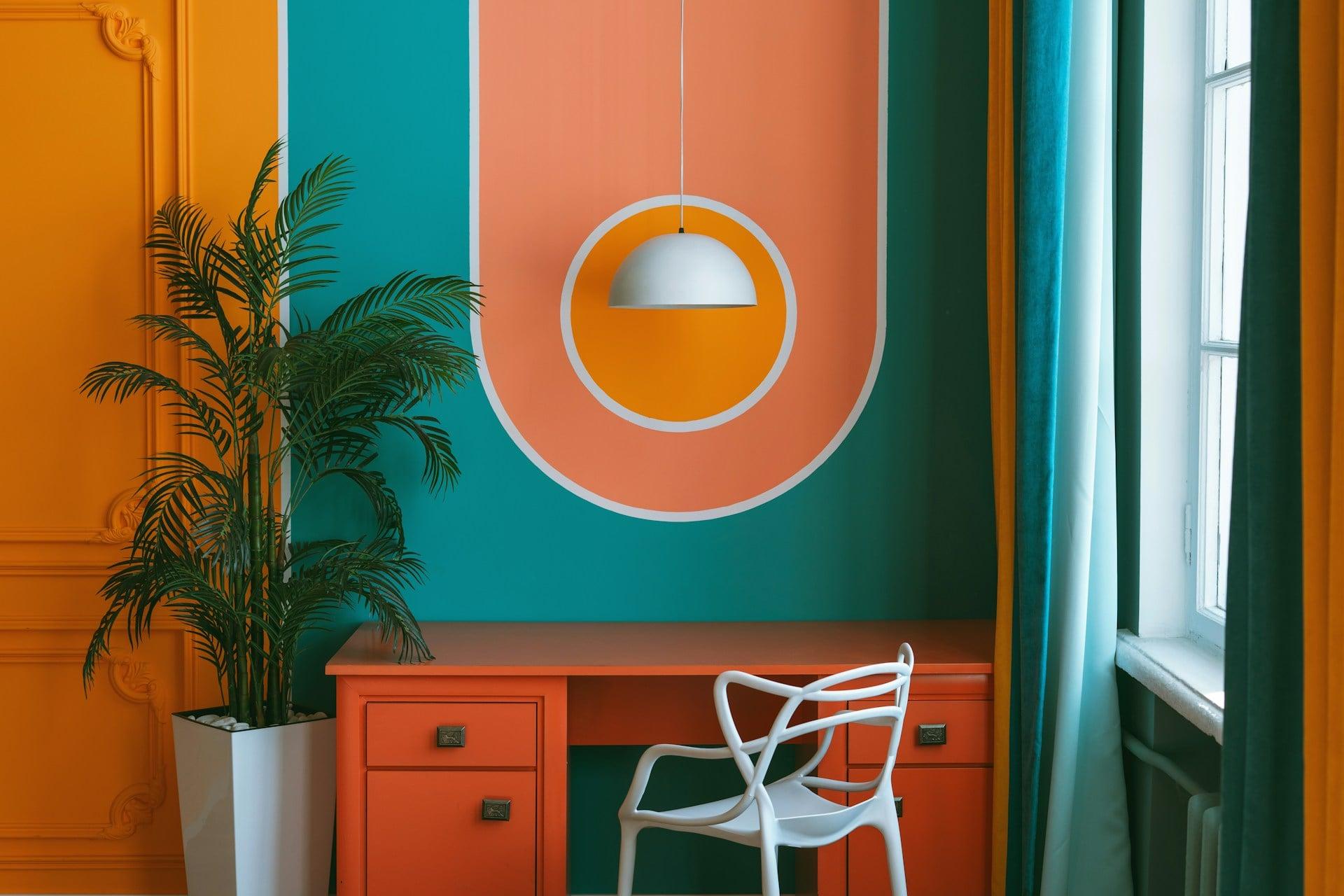
Shades with some grey, brown or earth in them tend to age most gracefully: a dusty rose rather than a fluorescent pink, an olive rather than an emerald, a burnt terracotta rather than a pure orange. They sit comfortably with wood and daylight and don't fight the seasons. That said, if a clear, saturated colour is the one that makes you happy every time you walk in, that joy is a legitimate design argument — just place it on a chair before you place it on a three-seater.