If you grew up between 1980 and 2000, you know exactly what it felt like to balance between the old world and the new. As kids, we experienced the raw reality of the “good old days,” while the digital age was already knocking on our door. I’m sure our parents felt this shift too, but they didn’t have Google at their fingertips to find answers. They weren’t taught how to be emotionally present while trying to keep up with all the changes themselves.
When I was bored, my mom didn’t brainstorm creative activities. She simply said, “Then do something.” And I did. Sometimes nothing special, other times wildly risky, but somehow I always got through it. Looking back now, some of my antics would probably land me in therapy, but back then, it was just everyday life.
Maybe this is one of the key experiences that forever connects those of us who grew up in this era. The next 5 things are probably only truly understood by us for that very reason.
Boredom Was the Gateway to Creativity
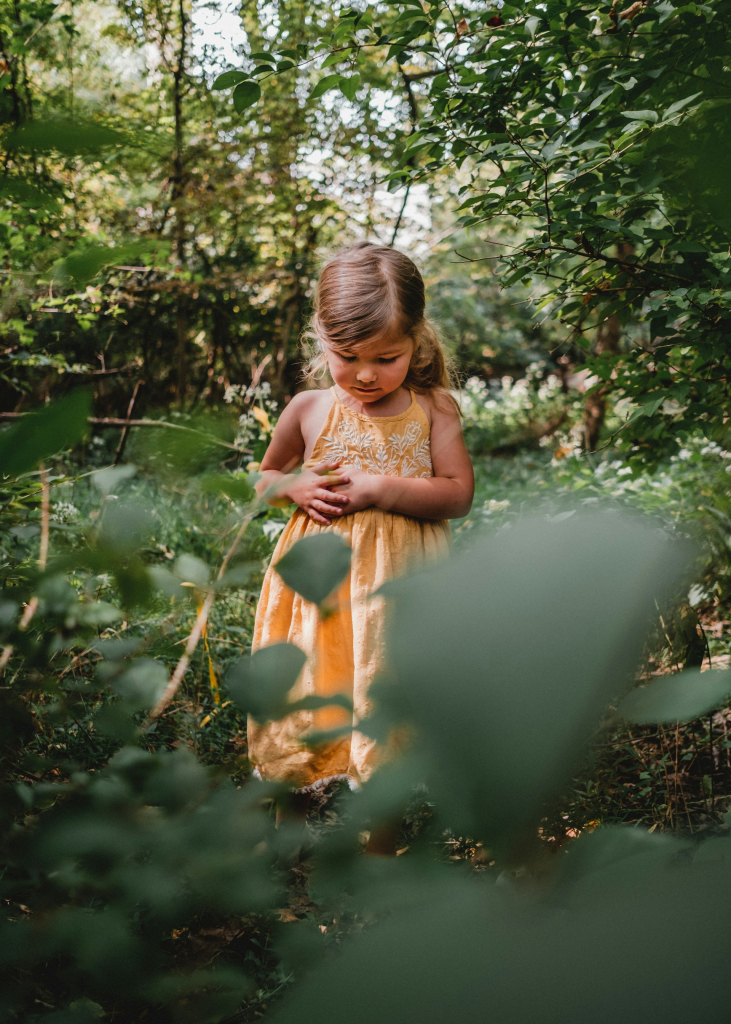
As kids, we didn’t have time management, “sensory activities,” or fancy “developmental toys.” There was just summer and being outside or inside. Our parents didn’t feel the need to constantly entertain us, and after playing together, they quickly returned to their own things.
So what did we do? We invented stuff. We knighted each other on the stairs, picked raspberries in the neighbor’s garden, and built forts under the walnut tree—strictly with nails, hammers, and hand saws by age six. We learned how to create something from nothing. That skill still stays with us and adds so much to our everyday lives.
Not Everyone Could Win, and That Was Okay
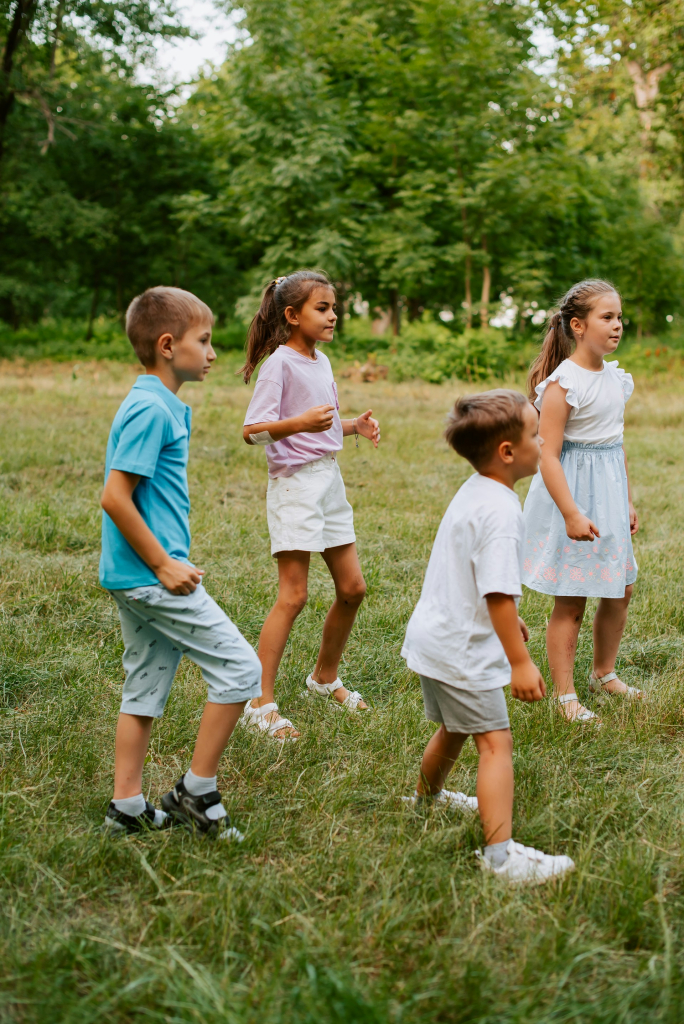
We didn’t get certificates or medals just for showing up at track meets, and if we messed up a poem at the recital, we didn’t move on. Sure, losing stung, but somehow... it was part of life. No one said, “It’s okay, sweetie, you’re still the best.” At most, they shrugged and said, “Maybe next time”—and maybe that’s why there really was a next time, because we didn’t want to give up.
Our parents might not have known exactly how to help in those moments, but their presence—or even their silence—often helped us digest failure. And that ability—to get back up and not always need applause—is probably one of the greatest gifts this generation carries.
The Parental “Because I Said So” Was the Final Word
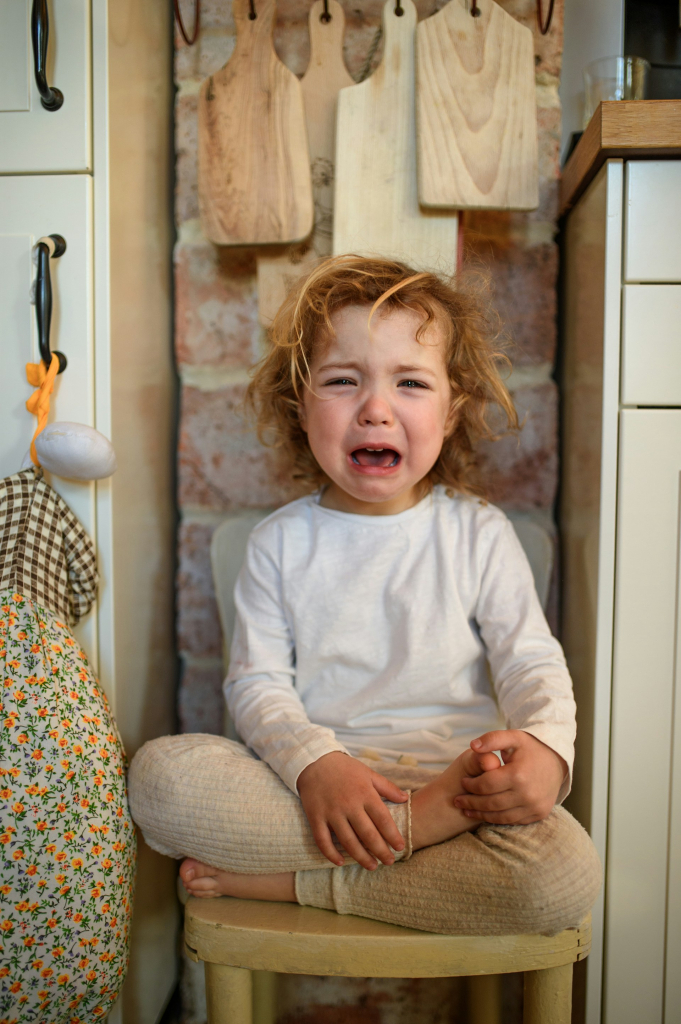
Remember a time from your childhood when you really wanted something? Then came the answer:
– “No.”
– “But why not?”
– “Because I said so.”
That was it. No hours-long explanations about boundaries, no empathetic talks about rules and limits. As a kid, it was incredibly frustrating, but now, as an adult (and parent), I sometimes envy that simplicity.
Our parents didn’t over-explain. I’m not saying it was the right way (far from it), but from their look, tone, or the “I’m busy now” expression, we knew where the line was. One glance told us enough. It wasn’t a great feeling, but it gave us an internal compass: how far we could go and where the wall was.
Outdoor Play Was the Heart of Childhood
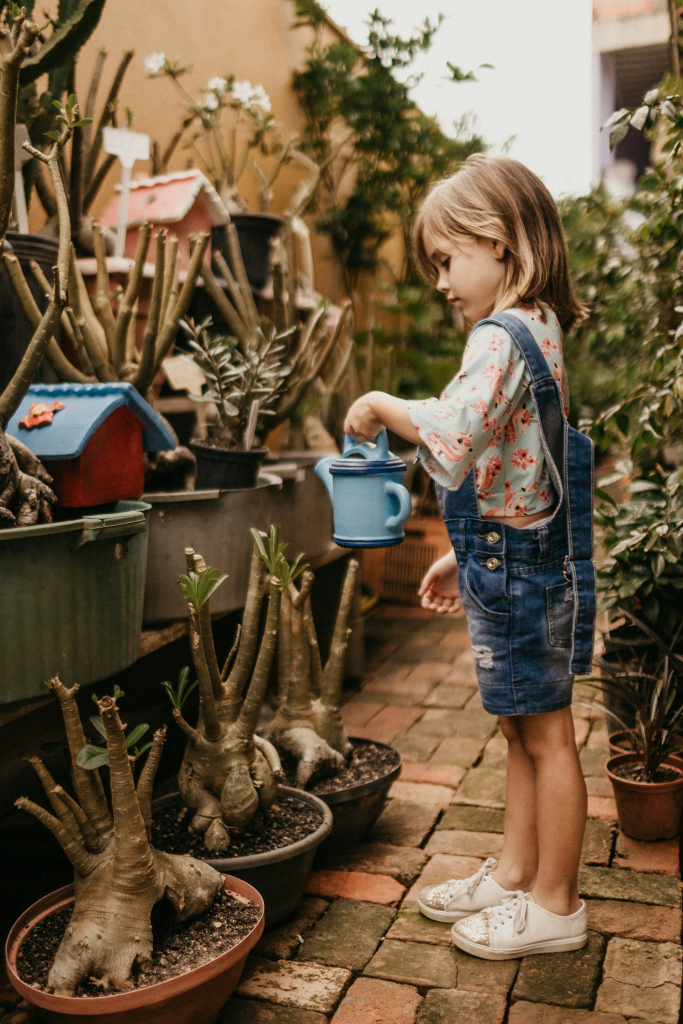
“Get outside now!”—no need to say more! We didn’t ask how long we could stay; we knew when the streetlights came on, it was time to go home. We climbed, fell, played hide and seek, cooked mud meals, and battled kids from the other street. No apps tracked our steps or location; our dirty clothes and scrapes proved we had a blast.
I look back on those “wild” afternoons as pure freedom, something I’ve never felt since. I probably never will, because that feeling belongs to childhood. But today’s kids don’t get that freedom the same way. Our world has changed so much that we can’t let them roam as freely—even though we know how much those experiences gave us.
Most Feelings Were Left Unspoken

If we cried, they said, “Stop whining.” If we were angry, “Go outside until you calm down” (and we were lucky if they didn’t throw cold water on us). If we were too happy, “Stop jumping around so much” and “What will others think?” Our parents weren’t insensitive—they just never learned how to handle feelings well because they weren’t treated well either. Talking about kids’ emotions wasn’t a thing; they focused on discipline, hiding, or silencing our feelings.
And us? We learned to stay quiet. We learned some feelings are “not okay” to show. Now we know those left deep marks. Maybe as a generation, we’re relearning how to feel—safely, without shame, freely.
If you grew up in this era, I’m sure childhood memories just popped up. Maybe you felt nostalgic, held your head in disbelief, or had some sad thoughts. But still: these moments made you who you are today. And if sometimes you feel like you’re in therapy because of exactly these things, don’t worry—that’s something we all share!