Picking a school has been one of the most stressful times in my parenting journey. We spent months visiting open days, talking to other parents, weighing options. One thing was clear: I wanted a small class and a school experienced with neurodivergent children. My daughter is curious, sensitive, and smart—but she needs safety and understanding for her unique needs. The school we chose promised all that. The future teacher seemed kind, prepared, and empathetic. When we got the acceptance letter, I finally felt relieved.
But after September, my peace slowly faded. Communication was confusing: important info didn’t reach us, and we often learned about events only afterward. The teacher didn’t answer our questions clearly—or at all, as if from another planet. Meanwhile, messages kept coming about how the snacks weren’t healthy enough or about “alternative methods” to support neurodivergent kids. Sometimes she shared half-scientific or even pseudoscientific videos, and once the word “healing” was mentioned. That made me uncomfortable, but I told myself: as long as my daughter felt good and was making progress, I wouldn’t make a fuss.

Then my daughter started to open up
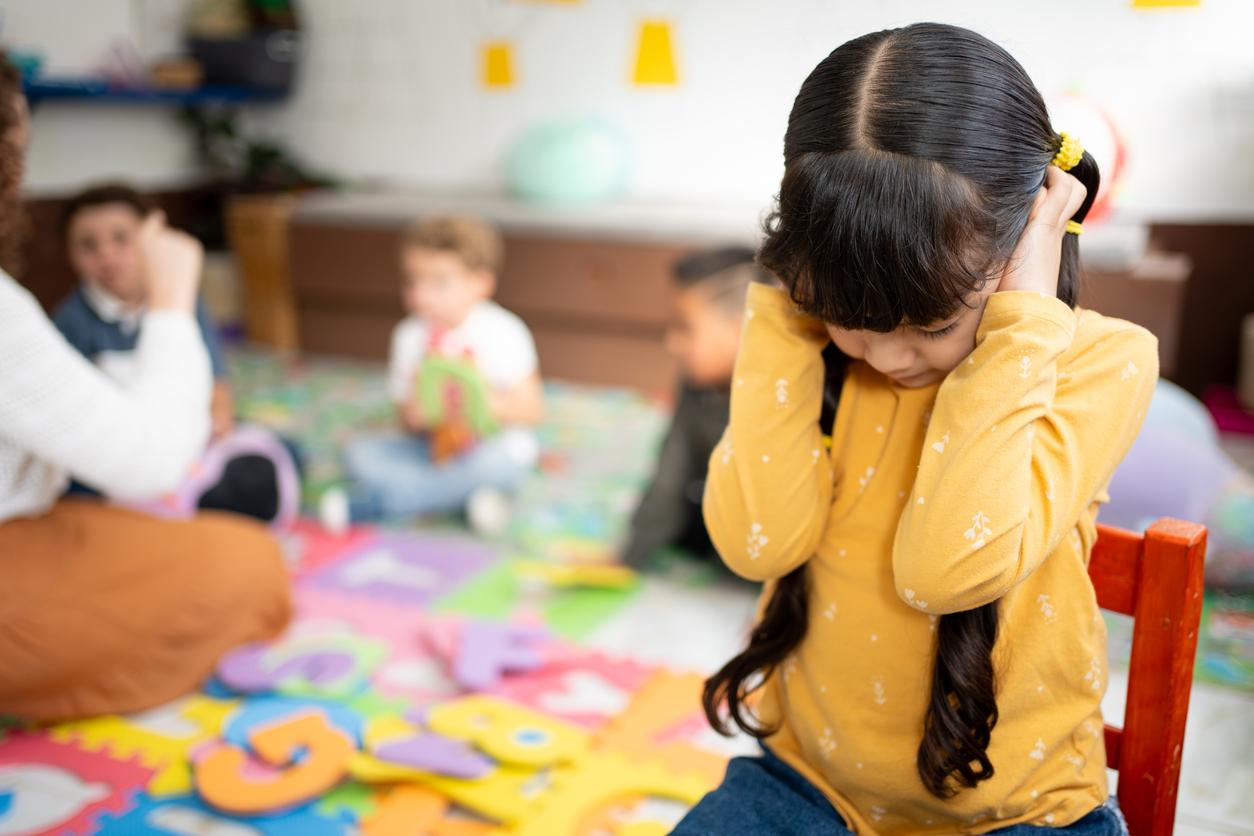
One evening before bed, it was like a dam broke. “Mom, you won’t be mad, right?” she asked, and I reassured her she could tell me anything—we’d face it together. Then she poured out her story: unfair punishments. Public shaming. Yelling. Things no six-year-old should say: “I didn’t want to tell because I was ashamed.” “She only said it because we misbehaved.” “It’s our fault she was angry at us.”
It quickly became clear the teacher showed a very different face to the kids than to us.
I messaged the other parents that very night, and cautiously, they started asking about their own kids. Similar stories came up one after another. They hadn’t spoken up before because they believed they were to blame. It’s easy to emotionally manipulate 6-7-year-olds. Listening to them, it felt like the pattern of an abusive relationship was unfolding: excuses, self-blame, fear. We all know how these work in a toxic relationship, but I never imagined I’d see it in my six-year-old’s world.
The next morning, I was sitting with the principal. It wasn’t easy. My daughter was immediately moved to another class for her safety, and an investigation began. It now seems likely the teacher will be dismissed.

I admit, once my daughter was safe and calm, my own first wave of anger faded—and guilt crept in. Could this teacher lose her job because of me? Could I be pulling the rug out from under someone struggling mentally? That thought haunted me all afternoon. Then I remembered my daughter’s face that night. How quietly she spoke. How she carried this burden alone for weeks. How I had trusted someone with her care—and that person betrayed that trust.
I sincerely hope our former teacher gets the help she needs. That she can face what happened. But I no longer believe six-year-olds should pay that price.
As a mom, my job isn’t to protect an adult’s job—it’s to protect my child.
If that makes me seem tough, I own it. I’d rather hold an adult accountable for their actions—even if the consequences are serious—than create an environment where my daughter’s first school lesson is learning to live with fear.