Bien Logo

Scientists Reveal How Overheating Your Home Affects You

Isabella Reed2 min read
Share:
Scientists Reveal How Overheating Your Home Affects You — Household
In this article

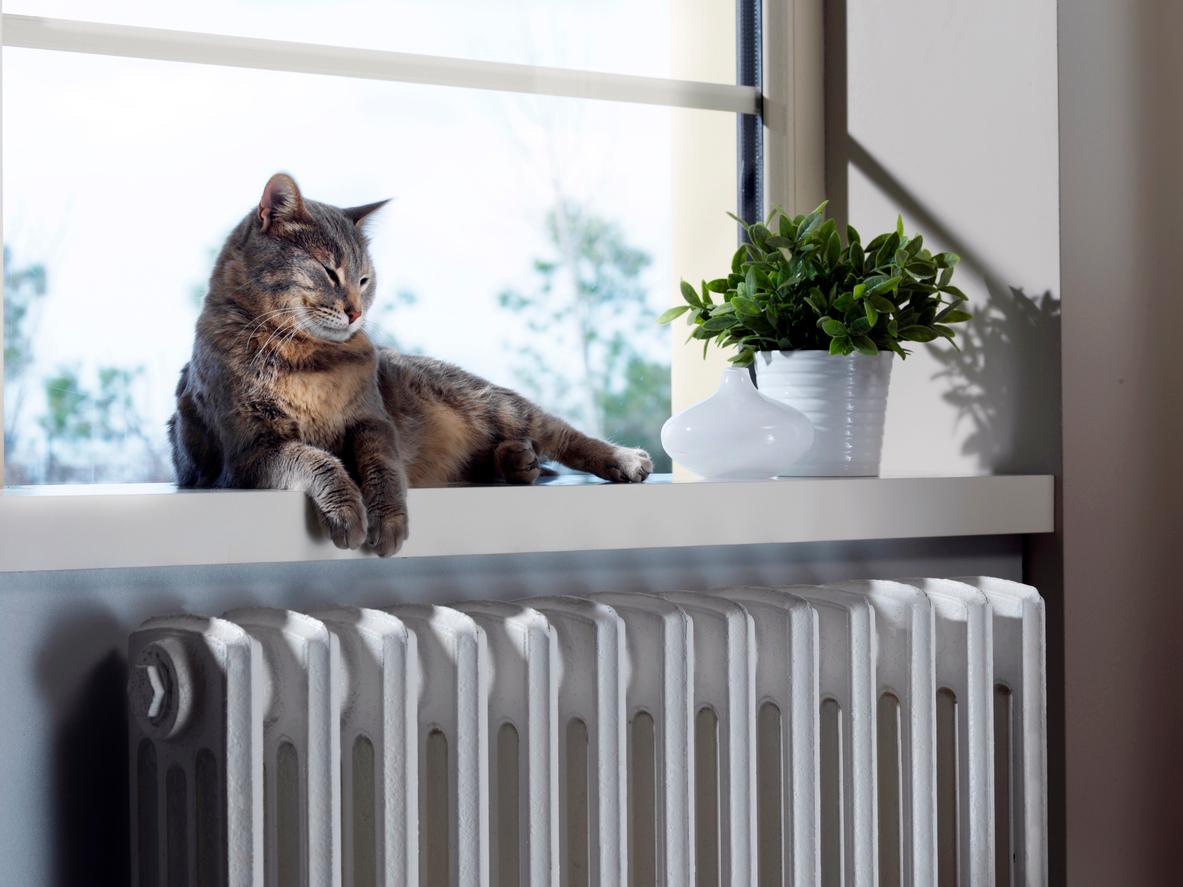
During the chilly winter months, it’s natural to want to turn our beloved homes into warm, cozy havens. But here’s the thing: cranking up the heat too much can hurt not just your wallet but your body too. Science shows that keeping your home too warm can lead to some unwelcome effects.

Poorer Sleep Quality

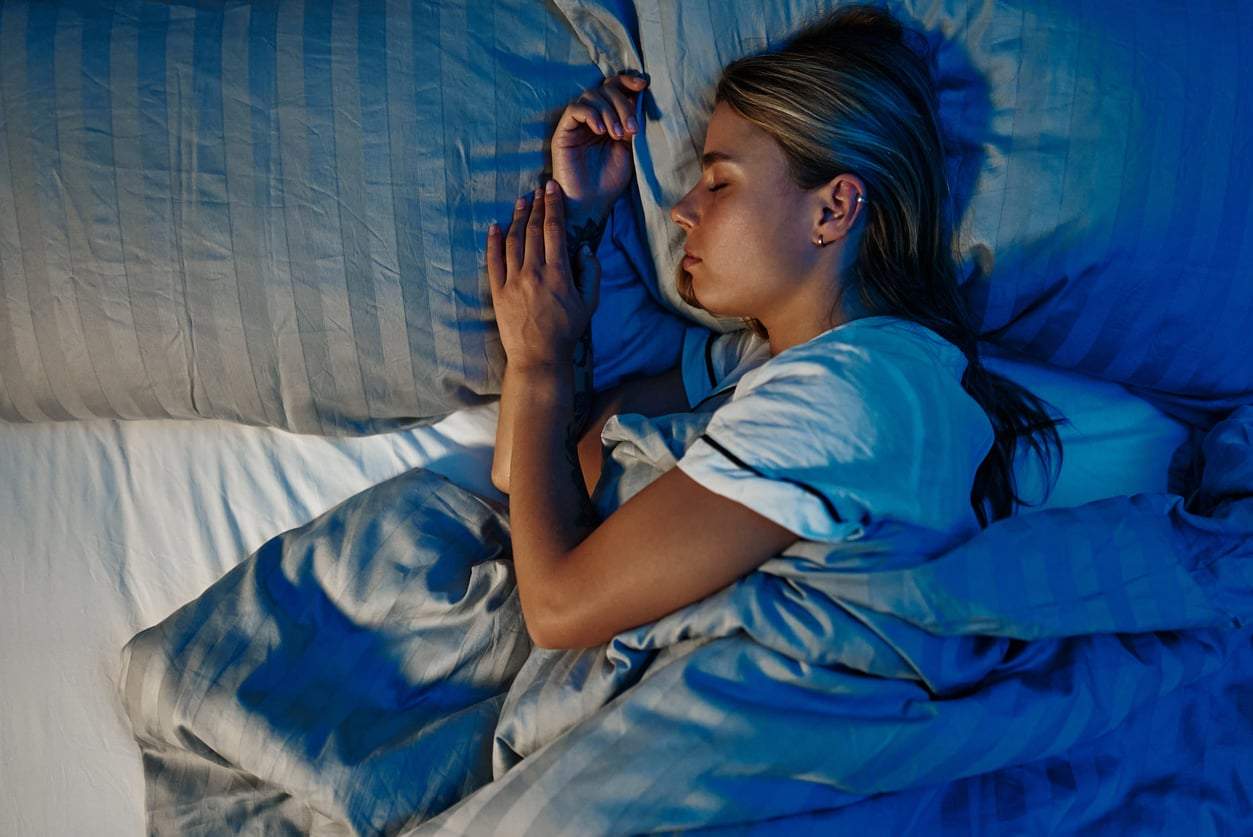
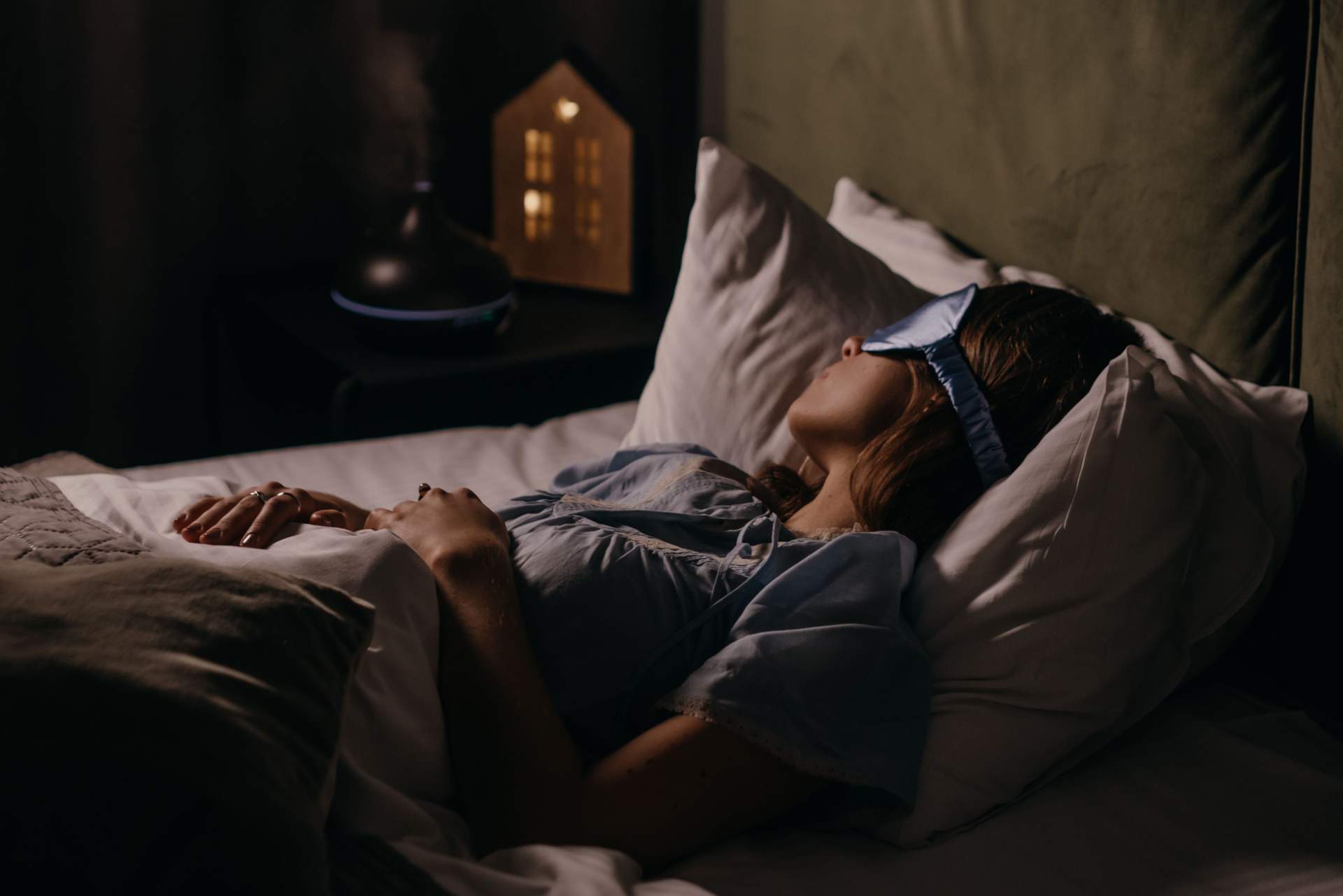
Your sleep quality depends a lot on your bedroom’s temperature. A study published by the American National Sleep Foundation found that 18-22 degrees Celsius (64-72°F) is the sweet spot for sleep.

Anything warmer can make it harder to fall asleep and lower the quality of your rest. Your body cools down naturally to help you drift off, but if your room is too warm, this process gets disrupted.

Slower Brain Function and Focus

Research from Princeton University shows that being in an overly warm environment can slow down your brain’s performance. People find it tougher to concentrate and struggle more with mental tasks. This heat-induced fog can even impact your work or study results.

Dry Skin

Too much heating lowers the air’s humidity, which dries out your skin. Dry skin isn’t just uncomfortable—it’s more prone to irritation and infections. Without proper moisture, your skin’s comfort drops and more serious issues can develop if you don’t keep your home’s humidity in check.

+1. Higher Energy Bills

This one’s not about health, but it definitely affects your happiness. Higher temperatures demand more energy, causing your bills to spike. It’s not just tough on your budget—it’s tough on the planet, too, since energy production releases significant greenhouse gases. So aiming for a sustainable temperature at home is a win-win.

Tips for Keeping the Right Temperature

  • Set your thermostat lower, especially at night.
  • Use thicker blankets and dress in layers.
  • Don’t forget to air out your home regularly for fresh air.
  • Use a humidifier to boost indoor moisture.

So, overheating your home isn’t just uncomfortable—it can impact your health too. Making mindful heating choices this winter protects both your well-being and your wallet.
Related reads

4 hidden spots in your home where mold is silently growing right now — Household

4 hidden spots in your home where mold is silently growing right now

Mold doesn't just grow in obvious places. These 4 hidden spots are easy to miss during cleaning — and ignoring them could seriously affect your health.

Isabella Reed
How to keep your home dust-free and allergen-free for weeks at a time — Health

How to keep your home dust-free and allergen-free for weeks at a time

If dust or allergens make you sneeze, itch, or struggle to breathe at home, these practical strategies can give you lasting relief — not just a quick fix.

Camilla Lucas
Stop storing bread in plastic bags — this simple switch keeps it fresh far longer — Household

Stop storing bread in plastic bags — this simple switch keeps it fresh far longer

Plastic bags are actually the worst thing for fresh bread — they trap moisture and invite mold. Here's the easy, eco-friendly swap that really works.

Isabella Reed
6 decorating mistakes that make your rental feel smaller than it actually is — Decor

6 decorating mistakes that make your rental feel smaller than it actually is

Even a great apartment can feel cramped and uninviting if you're making these common decorating mistakes. Here's how to fix them fast.

Camilla Lucas
6 Furniture Trends Worth Knowing If You're Decorating Your Home Right Now — Decor

6 Furniture Trends Worth Knowing If You're Decorating Your Home Right Now

From cozy textures to jewel-toned accents and nostalgic details, these are the furniture trends shaping interiors right now — and they're easier to pull off than you think.

Elizabeth Carter
6 cleaning tricks that will cut your housework time in half — Household

6 cleaning tricks that will cut your housework time in half

Dreading your next big clean? These six simple but surprisingly effective tricks will help you get through it faster — and with a lot less stress.

Isabella Reed