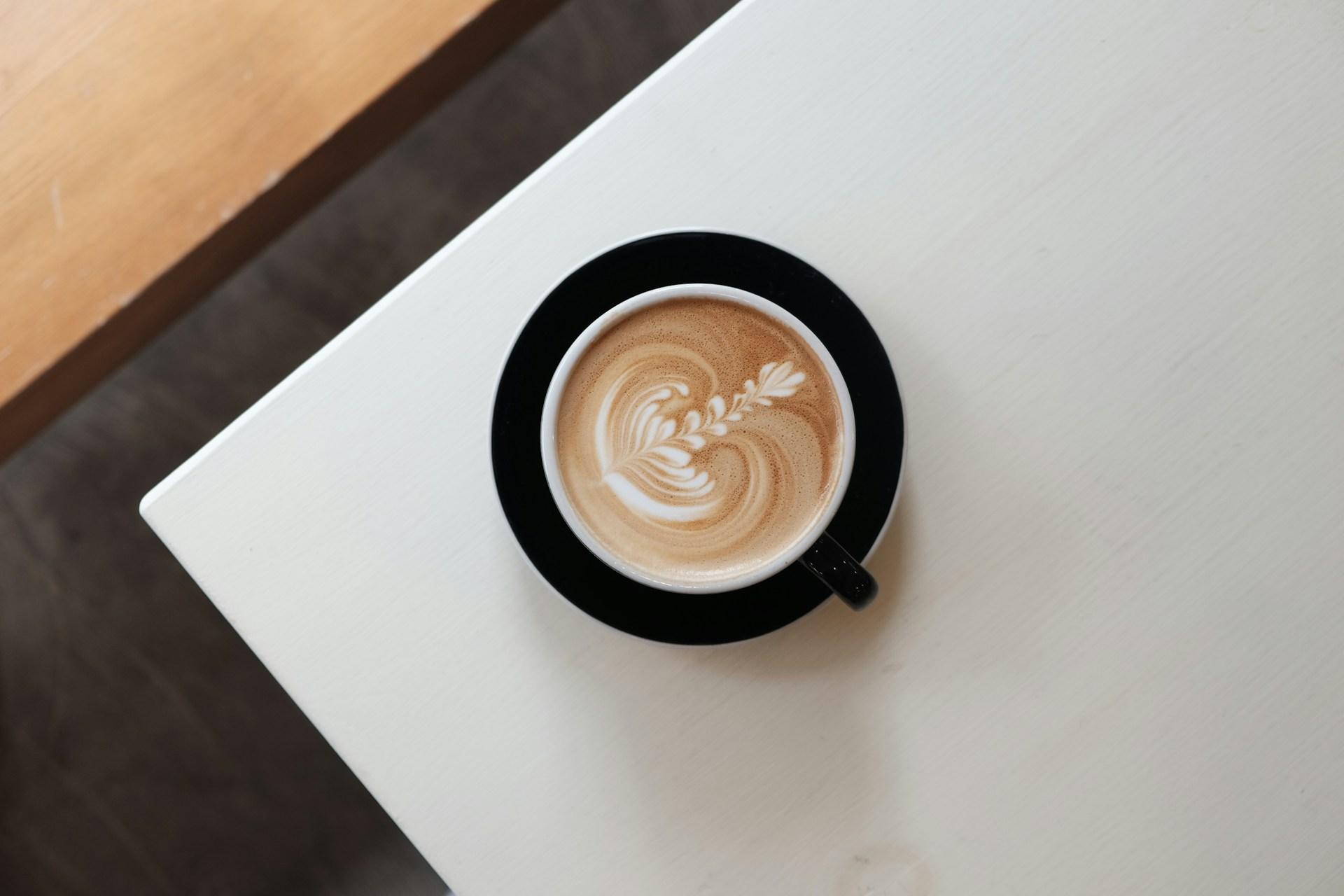
Many of us kick off the day with a steaming cup of coffee, not just to shake off morning grogginess but as a comforting daily ritual. The caffeine in coffee is a stimulant that’s legal yet can be addictive, much like cigarettes or alcohol. It blocks receptors in the brain that signal tiredness, giving us a quick burst of energy and alertness.
Some research also shows that regular caffeine intake can raise dopamine levels in the brain, improving mood and focus. That’s why so many people feel they simply can’t function without their morning brew.
Recognizing Coffee Withdrawal Symptoms
If you decide to ditch this familiar habit, your body and mind will quickly let you know. One of the earliest and most common withdrawal symptoms is a pounding headache caused by caffeine absence. Your brain’s blood vessels react swiftly to the change, often leading to increased blood flow and discomfort.
Along with headaches, you might feel an immediate drop in energy paired with fatigue. Instead of starting your mornings energized, you may feel sluggish and drained, which can impact your daily performance.

How to Ease Withdrawal Symptoms
While withdrawal symptoms don’t last forever, those used to their daily coffee might struggle through the first days or weeks. To ease this phase, drink plenty of fluids—water or herbal teas can help reduce headaches and fatigue.
Regular exercise is another great option, naturally boosting your energy and mood. You might also try meditation or breathing exercises to lower stress and lift your overall well-being.
Is It Worth Quitting Coffee?
The answer really depends on your lifestyle and caffeine habits. Many choose to cut back or quit to feel better long-term or because they notice they’ve become too dependent.
But remember, moderate coffee drinking can be part of a healthy lifestyle. Coffee is packed with antioxidants, and studies suggest it may help prevent conditions like Parkinson’s disease and type 2 diabetes.
Alternatives and Complementary Habits
If you want to keep your morning ritual without coffee, there are plenty of options. Green tea offers less caffeine but still refreshes and energizes while delivering antioxidants.
Peruvian maca powder or matcha tea can also give you a natural energy boost and help sustain endurance, keeping you alert throughout the day. Adding these alternatives can make your routine more varied and help ease the gap left by quitting coffee.