Being a parent is probably one of life’s biggest challenges. When my daughter was born, there was no instruction manual, and no matter how many parenting books or mom blogs I read, every child is unique. All you can do is try your best—and accept that mistakes will happen.
In short, parenting isn’t easy, and it’s no small task. Every action and word teaches our children something—good or bad. I might only truly see what I got wrong when my daughter grows up and carries the examples I set into her own life.
Still, there are tiny everyday signs that make me feel I’m definitely getting some things right. Sometimes, a moment, a reaction, or a phrase quietly tells me I’ve passed on something good. These moments might seem small, but they give me huge strength.
How My Daughter Handles It When I Make Mistakes
Recently, while baking over the weekend, I spilled a cup of flour in the kitchen. White powder flew everywhere—on the counter, the floor, even in my clothes. I knew cleaning up would be a hassle and was already getting frustrated when my 6-year-old daughter came over.
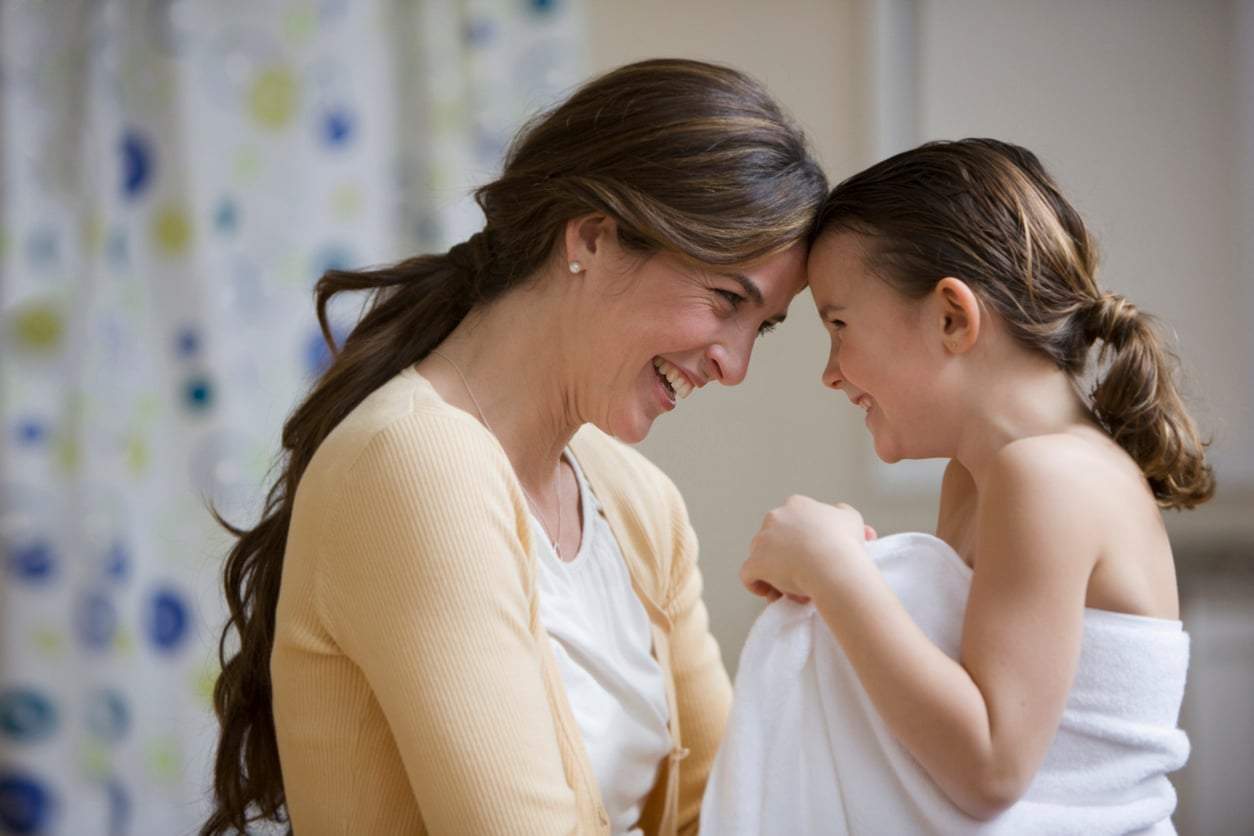
She noticed my tension, gently rubbed my back, and said, “It’s okay, Mom. It’s not your fault, you just got distracted for a moment—everyone does that.”
This small gesture surprised me so much I forgot to be annoyed. I realized we learn how to react to mistakes from our own parents—so my daughter handled my clumsiness the way I would have handled hers. When she comforted me like that, I felt I’d taught her something about empathy and that making mistakes is just part of being human.
How She Handles It When She Makes Mistakes
This September, we started school. We’ve already had our first tests, and so far my daughter has dived into learning with incredible enthusiasm. I don’t have to push her; she sits down to her tasks on her own and proudly shows me what she’s done. I don’t know how long this will last, but for now, I’m grateful.
Recently, though, she made a mistake on one assignment. When I pointed it out, I saw disappointment on her face—and immediately recognized myself in that tension I feel when I mess up.
I was ready to have a long talk about it, but she just shrugged, grabbed her eraser, and said, “Making mistakes is part of practicing!”
At that moment, I couldn’t have been prouder. I often struggle with giving mistakes too much weight. But it seems I’ve passed on a different mindset to her: for her, mistakes aren’t failures—they’re part of the journey. I truly hope she keeps this outlook for life.
How She Tells Stories
Books have been part of our lives for a long time. We read every night, and my daughter often sees me with a book in hand. It’s no surprise that stories feel like a natural world to her. But what’s really special is how she tells stories herself.
When she starts a story, she chooses her words carefully, builds suspense, weaves in funny bits, and completely captures my attention. It’s a joy to listen because it’s not only entertaining but also shows how well she expresses her feelings. While I know storytelling takes natural talent, I believe our shared reading time, story-filled evenings, and my attentive listening whenever she spoke helped her blossom this way.
Small Signs, Big Strength
Parenting is often about uncertainty: Am I making the right choices? Am I setting a good example? Am I enough? These questions come back every night—maybe no parent closes their eyes without wondering if they did well enough.
But then come these small, everyday moments—a touch, a phrase, a story—that quietly whisper: yes, you’re doing something right.
Maybe it’ll take years to see which moments truly mattered and which mistakes I made. Until then, these signs help me keep going, believing that effort, love, and presence can give my daughter a strong foundation for life.