Here are five key warning signs that tell you when it’s time to enrich your soil.
Yellowing Leaves on Your Plants
One of the most common signs of nutrient deficiency is when your plants’ leaves start turning yellow. This usually points to a lack of nitrogen or iron—both essential for the green pigment, chlorophyll. Yellowing often begins at the tips of older leaves and gradually spreads across the whole leaf.
When balcony gardening, keep an eye on leaf color regularly. Yellow leaves aren’t just an eyesore—they can signal your plant’s health is at risk.
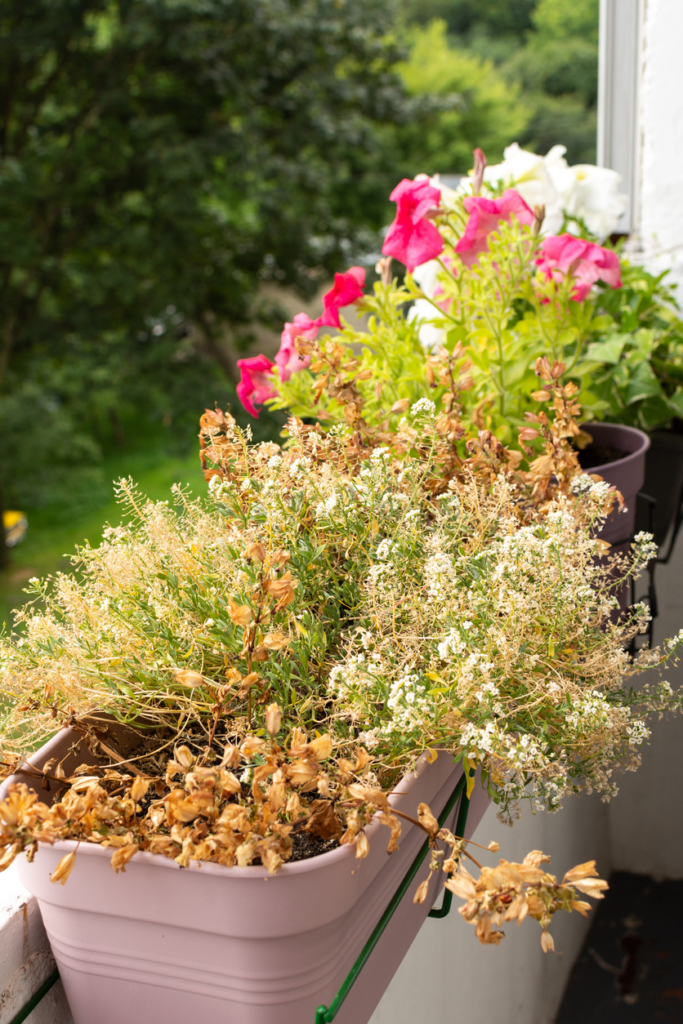
Growth Comes to a Halt
If you notice your plants’ growth slowing down or stopping completely, it’s another red flag for nutrient-poor soil. Without the right nutrients, plants can’t generate the energy they need to grow and thrive, leaving them stunted.
Fading Flower Colors
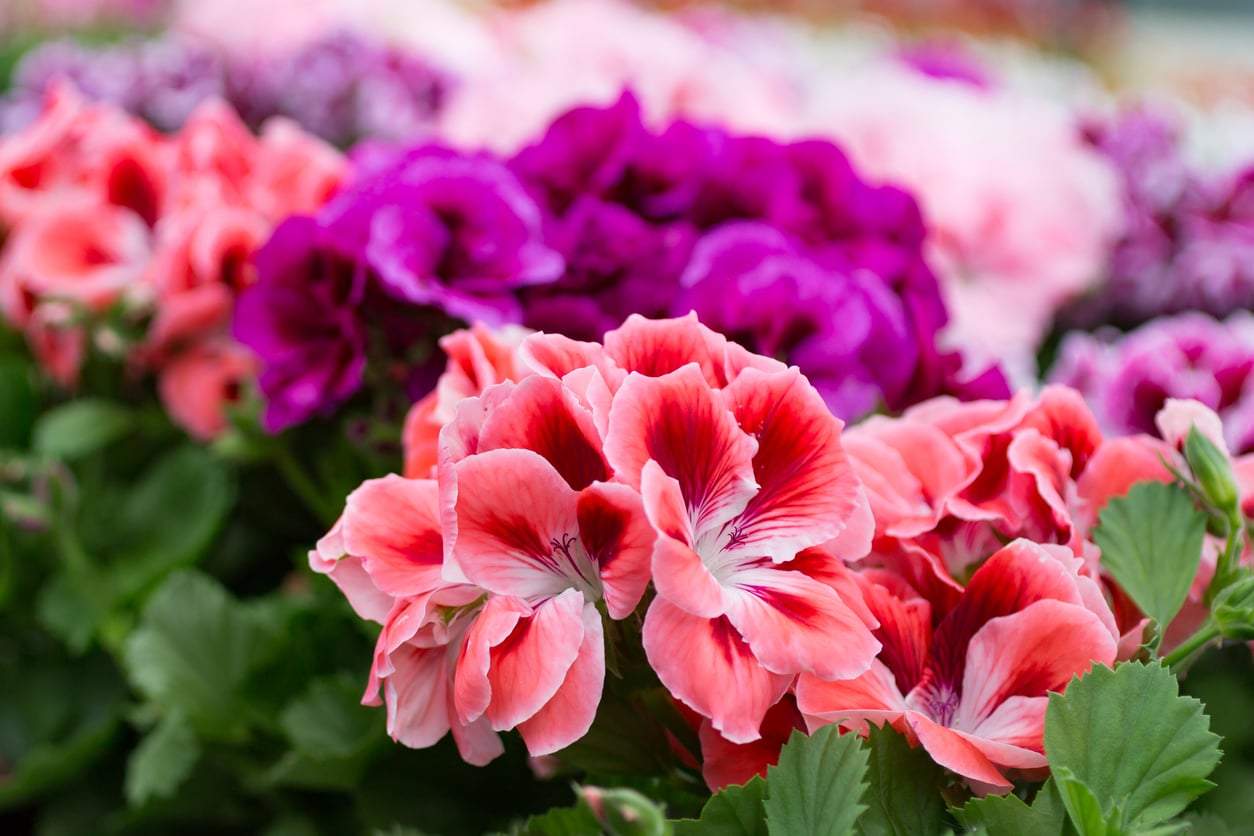
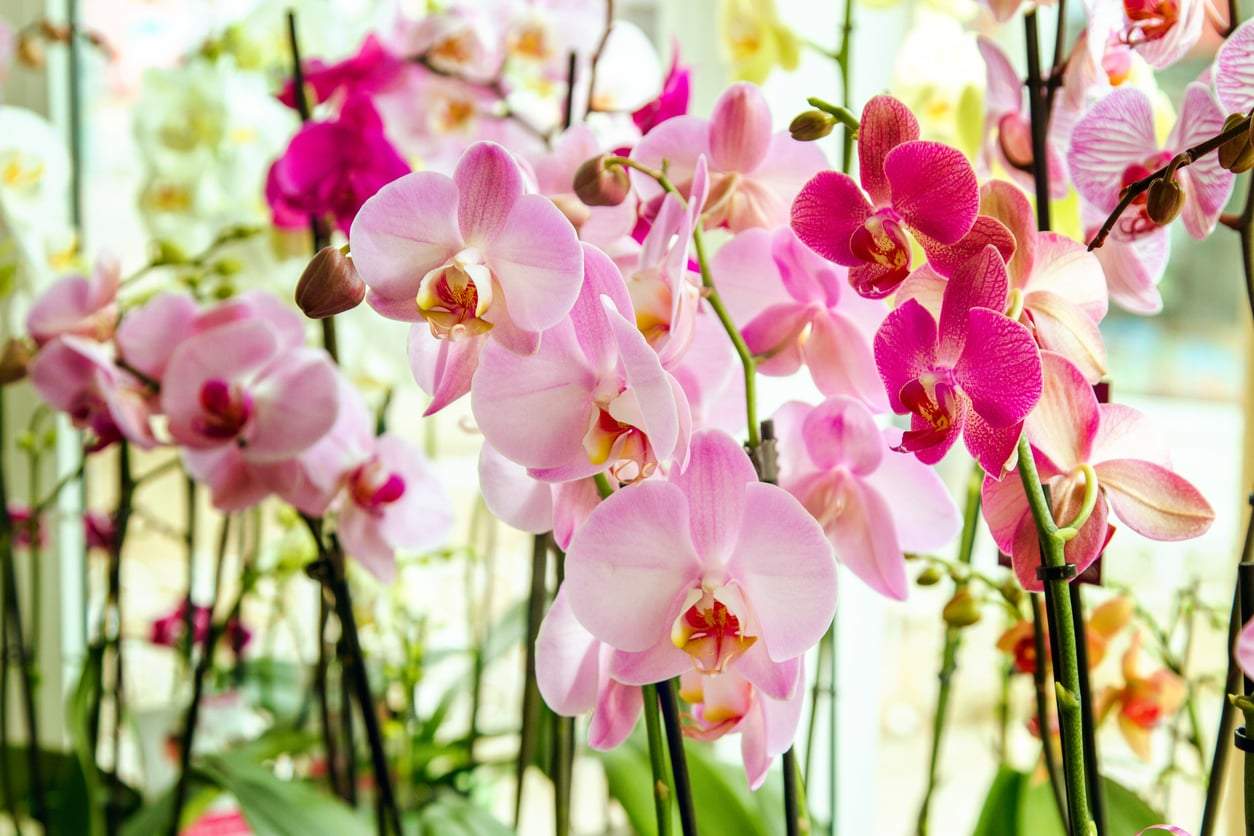
Vibrant flowers brighten up any balcony garden, but if your soil lacks nutrients, their colors can fade. This often signals a phosphorus deficiency, a key nutrient for keeping flower colors vivid.
This not only dulls the visual appeal but also reduces the plants’ ability to attract pollinators, which can impact fruit and seed production.
Changes in Soil Texture
Another sign your soil needs attention is a change in texture. A too dry, cracked surface or a too wet, sticky feel often points to unbalanced nutrient levels.
Changes in soil texture can also reduce its water retention, leaving your plants thirsty and stressed.

Soil Around Plants Becomes Compact
If you notice soil compacting around your plants, it usually means poor structure and low organic matter. Compacted soil blocks water and air flow, which are vital for healthy roots.
This often happens due to frequent watering without loosening the soil. Loosening the soil and adding organic matter can quickly fix this issue.
On balconies, it’s especially important to regularly replenish soil nutrients. Because balcony boxes have limited soil volume, nutrients can run out faster. Regular compost and the right fertilizers keep your soil healthy and your plants thriving.