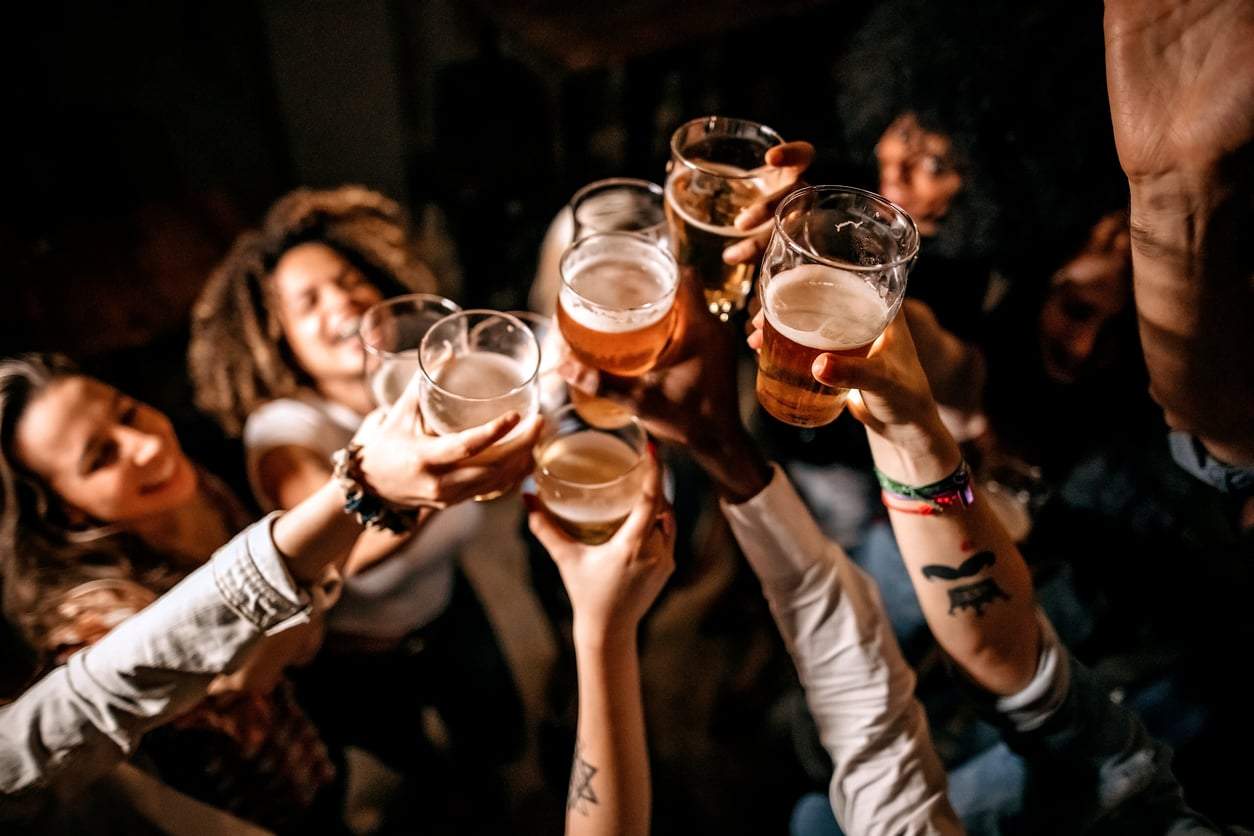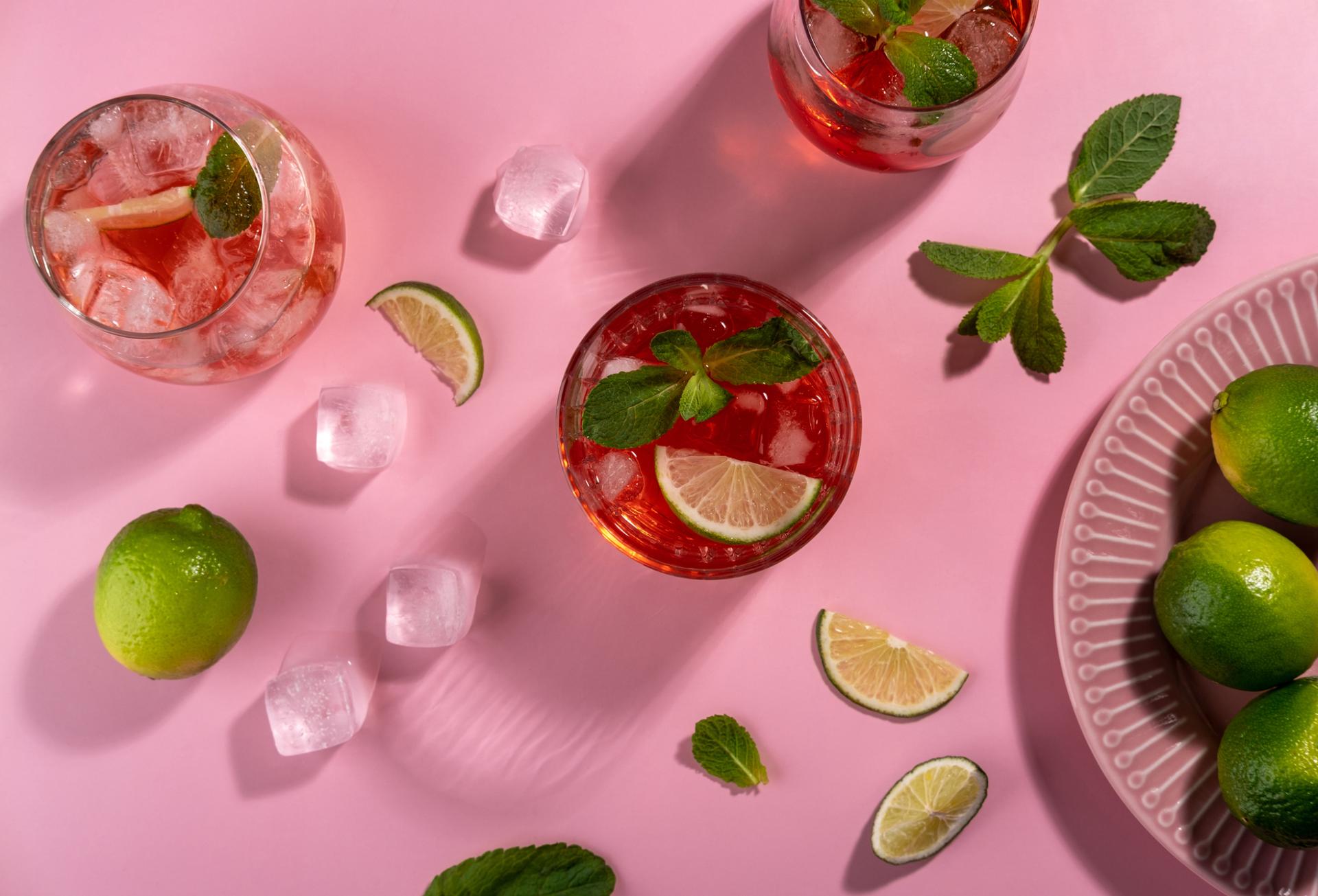
When we’re young, it’s easy to believe we’re invincible—unbothered by daily stress or weekend parties. We often brush off the warnings from older generations about the inevitable fatigue and aches that follow a night out. But as time passes, all-night dancing and fun require longer recovery, and the physiological effects of alcohol become clearer.
Many of us have experienced the classic hangover—the painful aftermath of too much alcohol. Common symptoms include sharp headaches, dizziness, dry mouth, and mild nausea. These arise partly because alcohol acts as a diuretic, making your body flush out fluids faster and causing dehydration. Along with dehydration, alcohol also causes blood sugar swings, which can leave you feeling weak the next day.
One Night That Disrupts Your Sleep Patterns
While alcohol might help you fall asleep initially, it disrupts the natural sleep cycle over time. Deep sleep phases shorten, so waking up refreshed becomes a distant dream. Alcohol also reduces REM sleep, which is crucial for dreaming and memory, meaning you might feel not only tired but mentally foggy the next day.

Alcohol and Your Liver: A Quiet Battle
The real impact of your choices often hits the next morning, but your body starts working hard to break down alcohol during the night. Your liver, the body’s detox center, faces a heavy load processing large amounts of alcohol. The enzyme alcohol dehydrogenase helps break it down, but constant overwork can damage your liver and extend recovery time.
Mental Effects: More Than Just Physical Risks
Many don’t realize that hangovers and alcohol affect not only the body but also your mood. Alcohol can lower your spirits, increase anxiety, and make focusing harder. Feelings of guilt or worry after drinking can deepen these emotional lows, turning a fun night into an emotional rollercoaster.
Tips for When You Do Drink
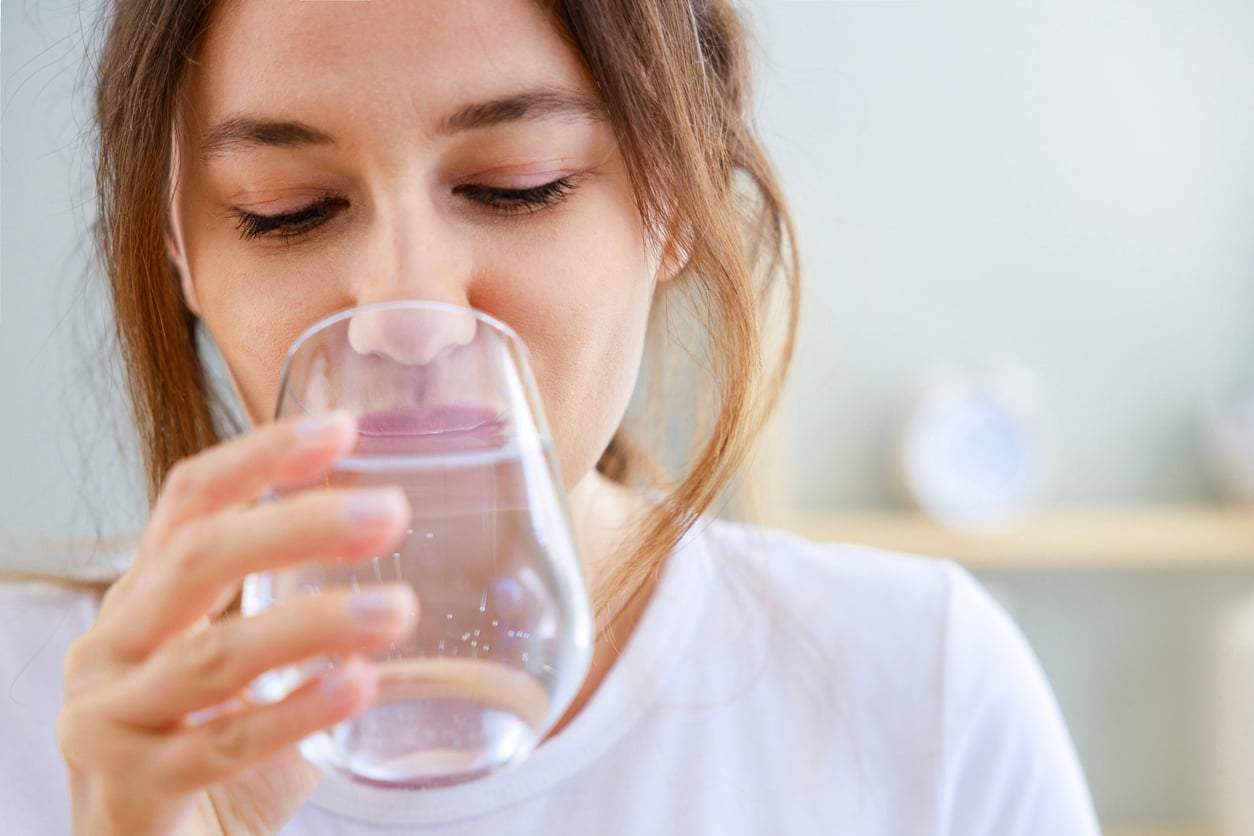
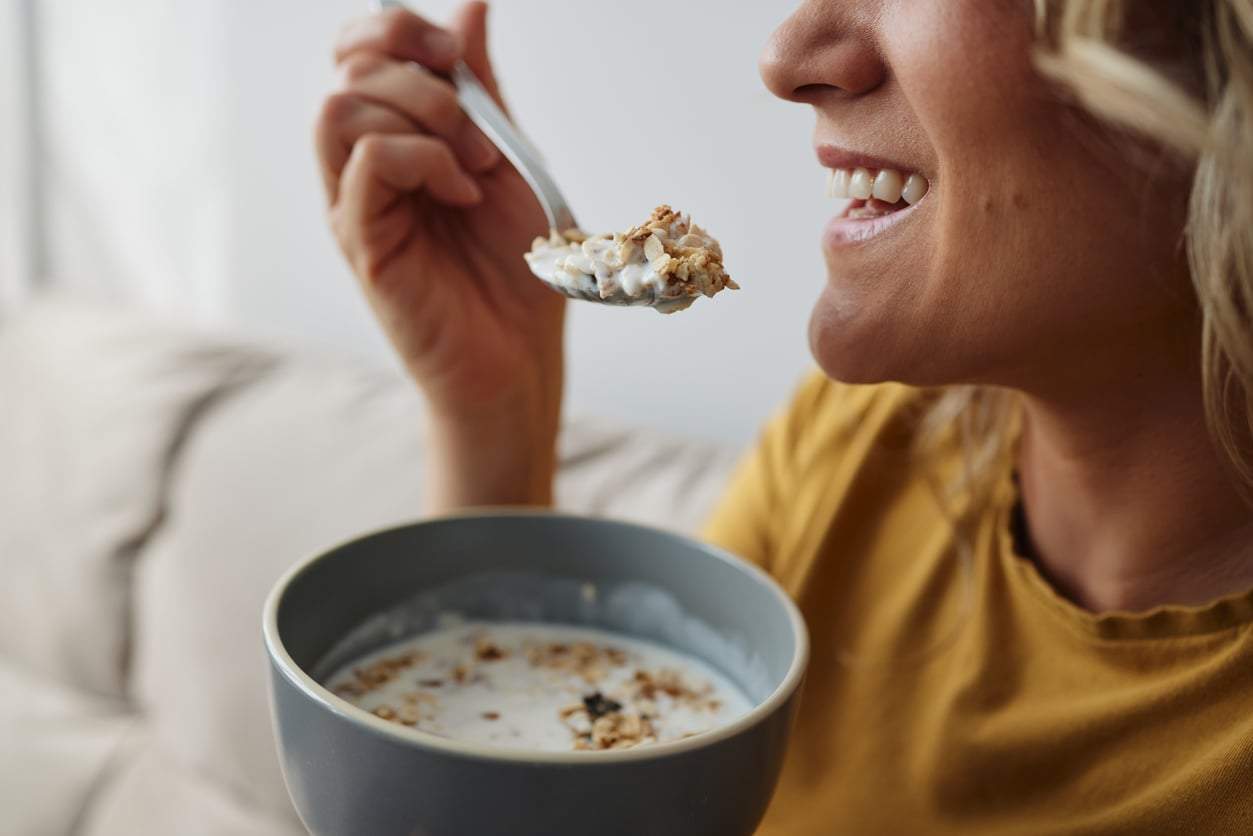
While cutting back or avoiding alcohol is best, some simple steps can help reduce its aftereffects. Always drink plenty of water alongside alcohol to prevent dehydration. Eating before drinking also slows alcohol absorption, easing its impact.
Making mindful choices during nights out protects your health. Moderation, choosing drinks wisely, and allowing time for rest and recovery can keep your weekends fun without turning into health setbacks.