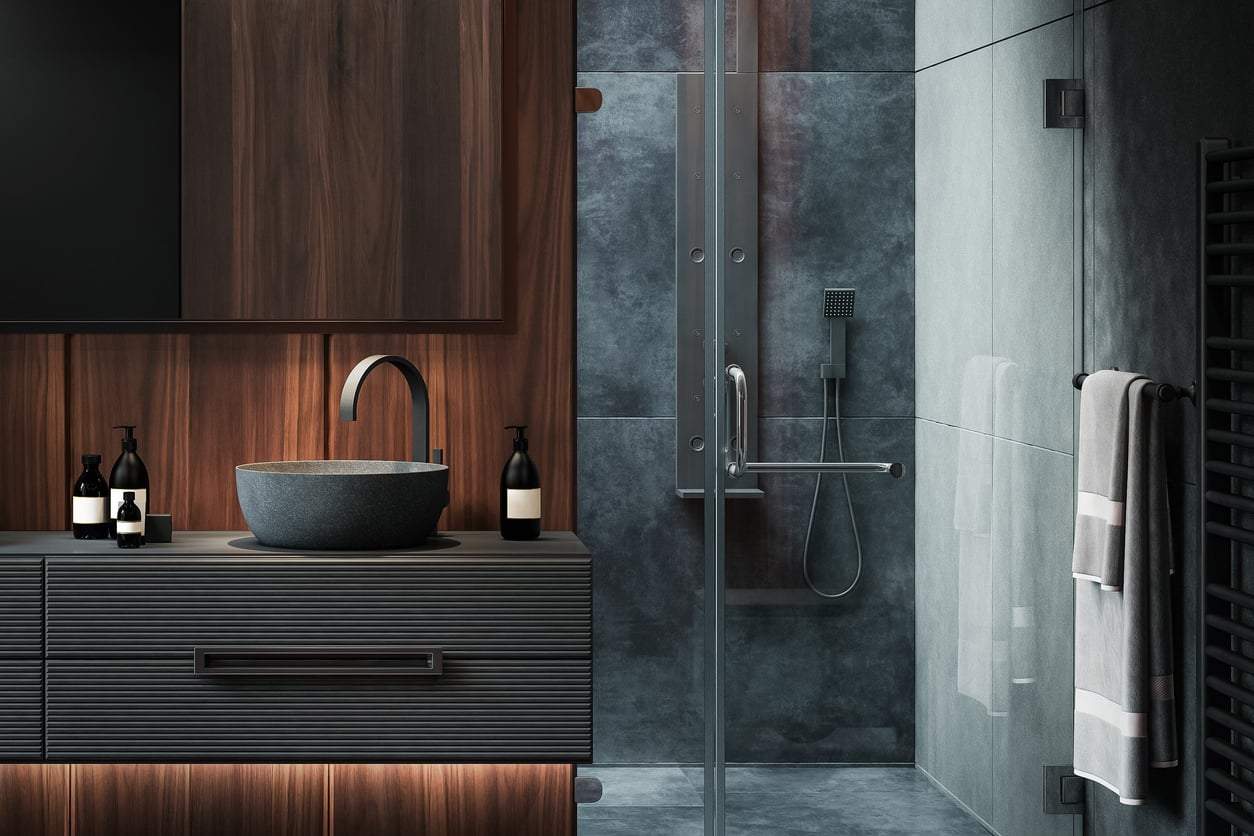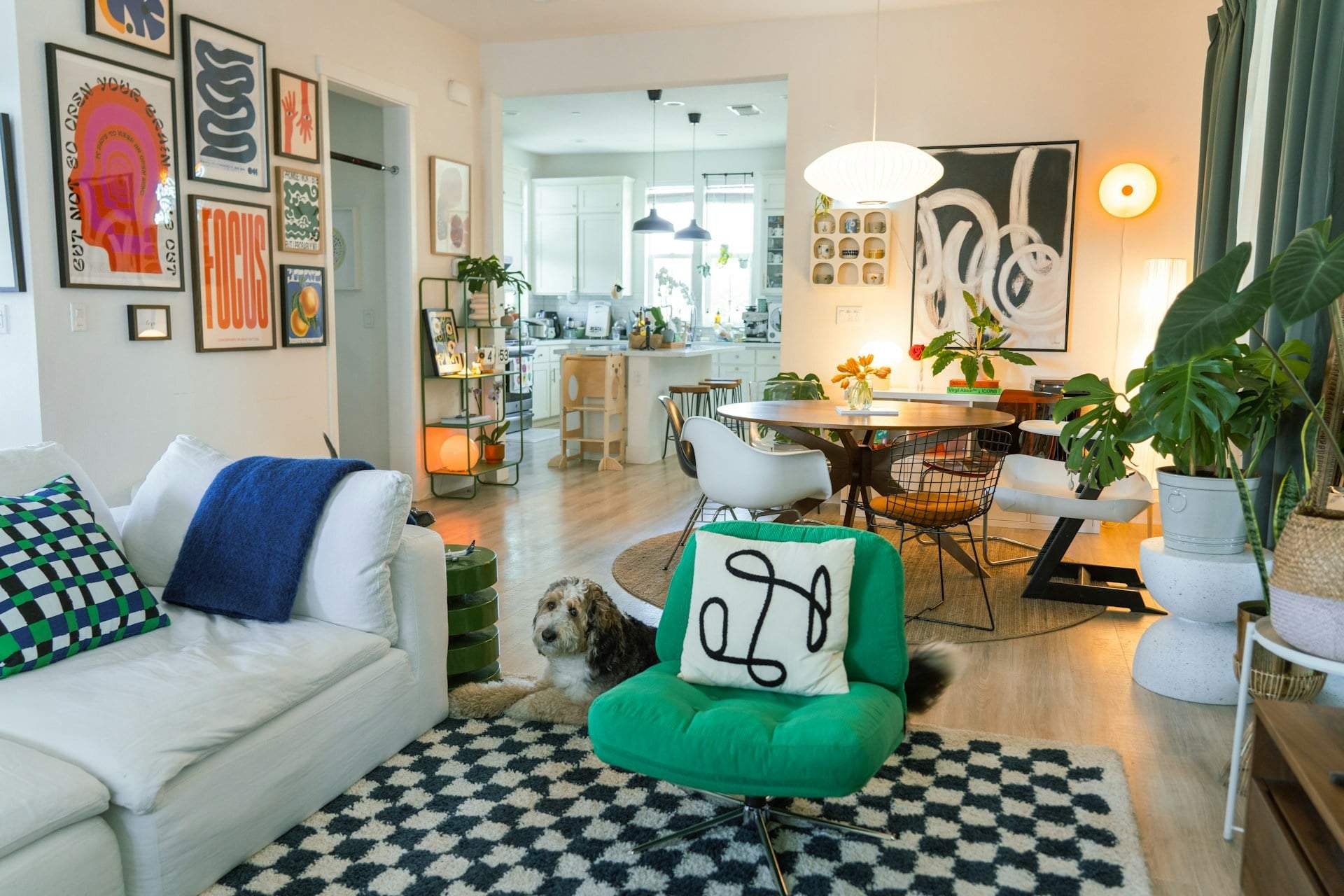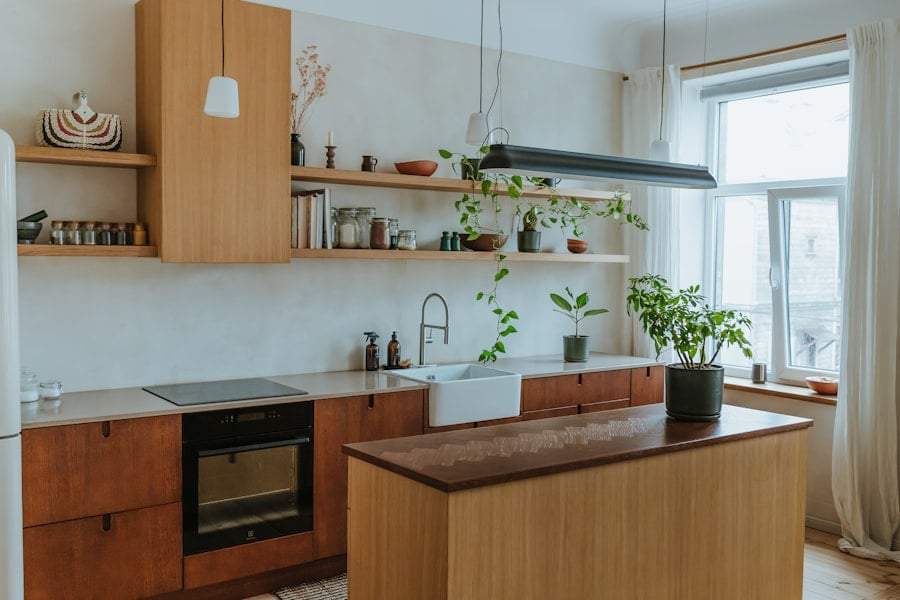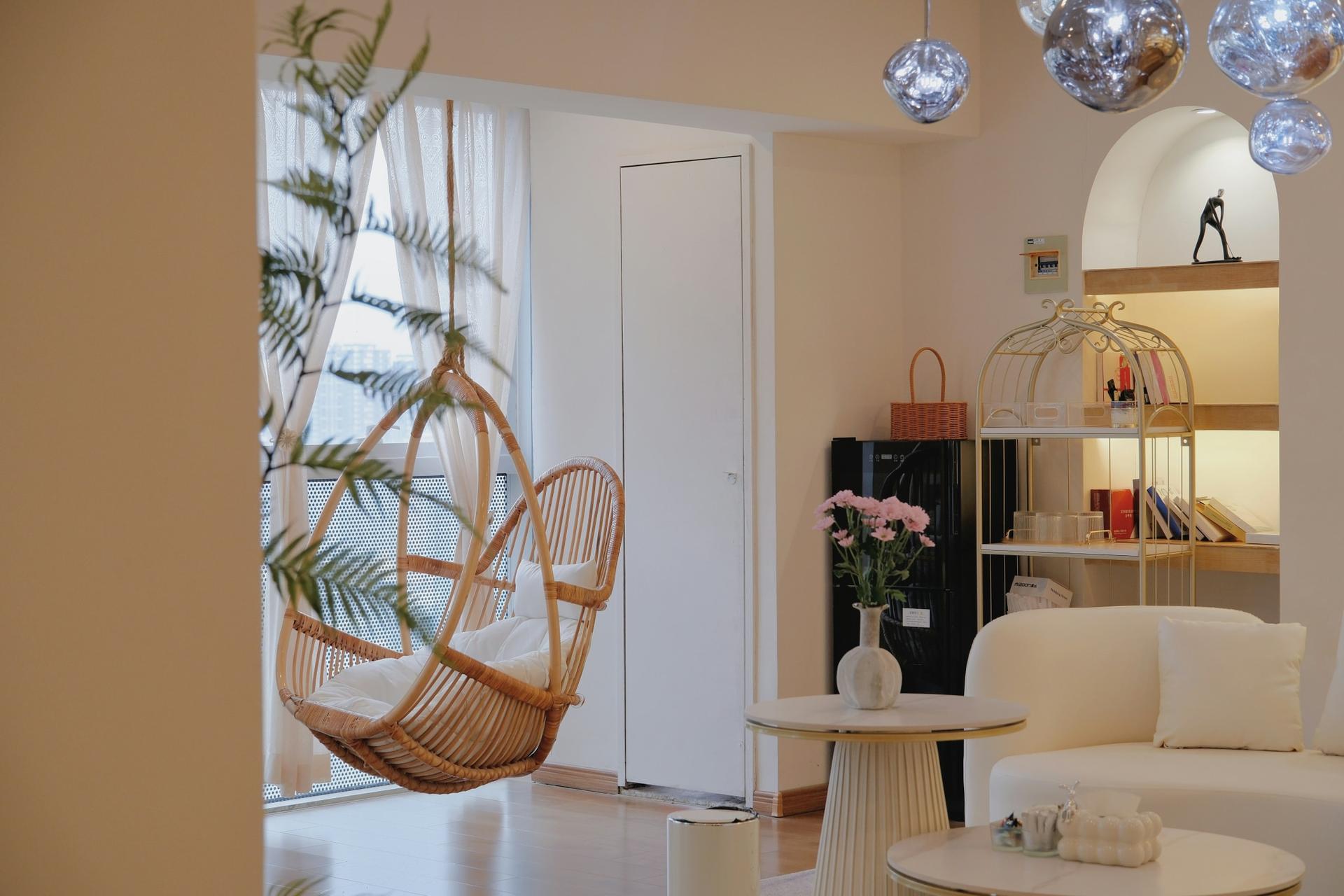
One of the biggest challenges in modern interior design is making the most of the space you have. Often, we place furniture in the worst possible spots out of habit or what seems logical for the room. Organizing space in homes is an art worth exploring.
Why Furniture Gets Placed Wrong
We often make the mistake of putting pieces like sofas or dining tables where they get lost, don’t shine, or block the flow. This can stem from a lack of spatial awareness or old habits. Understanding why this happens helps us get to the root of the problem and find the right solution.
Seeing Space as a Functional Whole
Many think of their home as a collection of separate rooms. But this mindset separates functions and limits the home’s potential. Viewing rooms as parts of a shared purpose helps create a functional and beautiful layout.
Basic Space Planning Rules
Every piece of furniture should have its own space—not just physically, but where its purpose comes alive. From using bright surfaces to clever optical tricks and material choices, many tools help us organize space well.

Common Mistakes and How to Avoid Them
Space planning might seem intuitive, but it comes with pitfalls. A common error is choosing furniture that’s too big for small rooms or ignoring natural light paths. Paying attention to feedback and avoiding design mistakes can greatly improve your living space.
Furniture and Energy Flow
It might sound unusual, but energy flow really affects a room’s vibe and function. Choosing a logical layout not only boosts livability but creates a harmonious environment that supports well-being over time.
Making the Most of Corners
Corners often get overlooked. Instead of just filling them with corner sofas, consider a small bookshelf or reading nook to maximize space and add charm.
Smart Space-Saving Ideas
Using space-saving solutions helps keep things organized, especially in small homes. Think multifunctional furniture that serves multiple purposes or hidden storage in unexpected spots.
Why Ergonomics Matter
Ergonomic design isn’t just for work corners—it applies to the whole home. A well-arranged living or bedroom is not only comfier but healthier, reducing risks from poor posture.
Mastering the art of interior design and space planning takes time, but the long-term benefits make it worth every effort. A well-organized space creates harmony that’s part of everyday life.