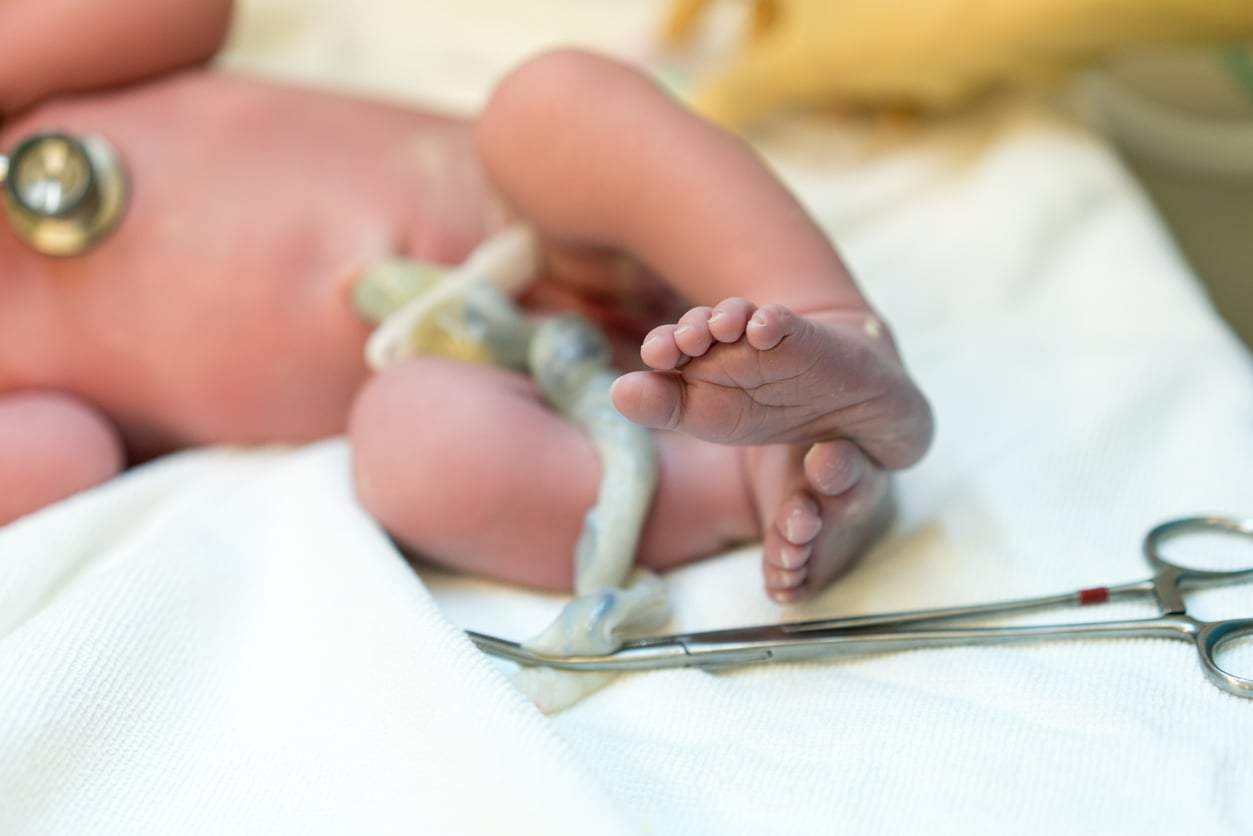
Few feelings are stronger in the world than maternal guilt. For me, it arrived practically alongside my child, maybe even before birth—while I was carrying her, caring for her, and nourishing her from within, thoughts already hovered about not eating enough veggies that day, forgetting to take my prenatal vitamins, or missing prenatal yoga classes.
I once heard that one of the surest signs you’re a good parent is that you worry about whether you’re a good parent at all, and there’s some truth to that. Caring for another person’s physical and emotional well-being, providing love and attachment that shapes their whole life, is a huge responsibility—and it’s probably impossible not to question your own abilities sometimes.
But maternal guilt isn’t just an inner, instinctive voice
Over time, an industry has grown around it—one that very much benefits from us mothers constantly feeling like we’re not good enough.
They say it takes a village to raise a child. Modern motherhood, however, rarely comes with quiet support. Instead, it’s surrounded by endless opinions, expectations, advice, and so-called "must-do" practices.
Social media images, strict parenting forum influencers, "perfect mom" content, parenting books, and courses all suggest: you can do better, be more beautiful, be more expert.

No matter how much you do, you could always be better—which means you’re not the best yet, and you want the best for your child, right?
This feeling runs deep in many women. For generations, we’ve heard phrases like "a good mother always…", "a proper mother never…", "a real mother can…". It’s almost invisible how unnatural this pressure is. How unrealistic the image society—and the profit-driven players behind it—sets before us.
Because there are definitely those who benefit when we don’t feel good enough. Uncertainty is a marketable product. Feeling behind, not conscious enough, patient enough, or organized enough creates fertile ground for a thriving industry. The worse we feel as mothers, the more open we are to "solutions."
Don’t get me wrong, there are wonderful helpers, excellent programs, and developmental tools. For example, a lactation consultant helped me a lot, and we also had a specialist who not only worked on my daughter’s tight shoulder muscles but also helped ease many of my inner tensions.
At the same time, I’ve learned firsthand that not every industry player aims to truly solve our problems—because if there’s no problem, there’s no worry, and then I wouldn’t spend any amount on promised solutions.
And those who profit from it
It’s not hard to see that those who profit from this may even aim to stir up new fears—and let’s be honest, it’s easy to plant more fears in a desperate, isolated young mom who’s already constantly worried and doubting herself for her child.
Many baby care products, developmental toys, educational programs, parenting courses, wellness services, and influencer role models build on this: buy it, try it, start it, and you’ll be a better mom. Follow the advice, stick to the routine, invest in this or that, and finally, you’ll have something to be proud of. The underlying message is always the same: you’re not enough as you are. And that’s what really sells the product.
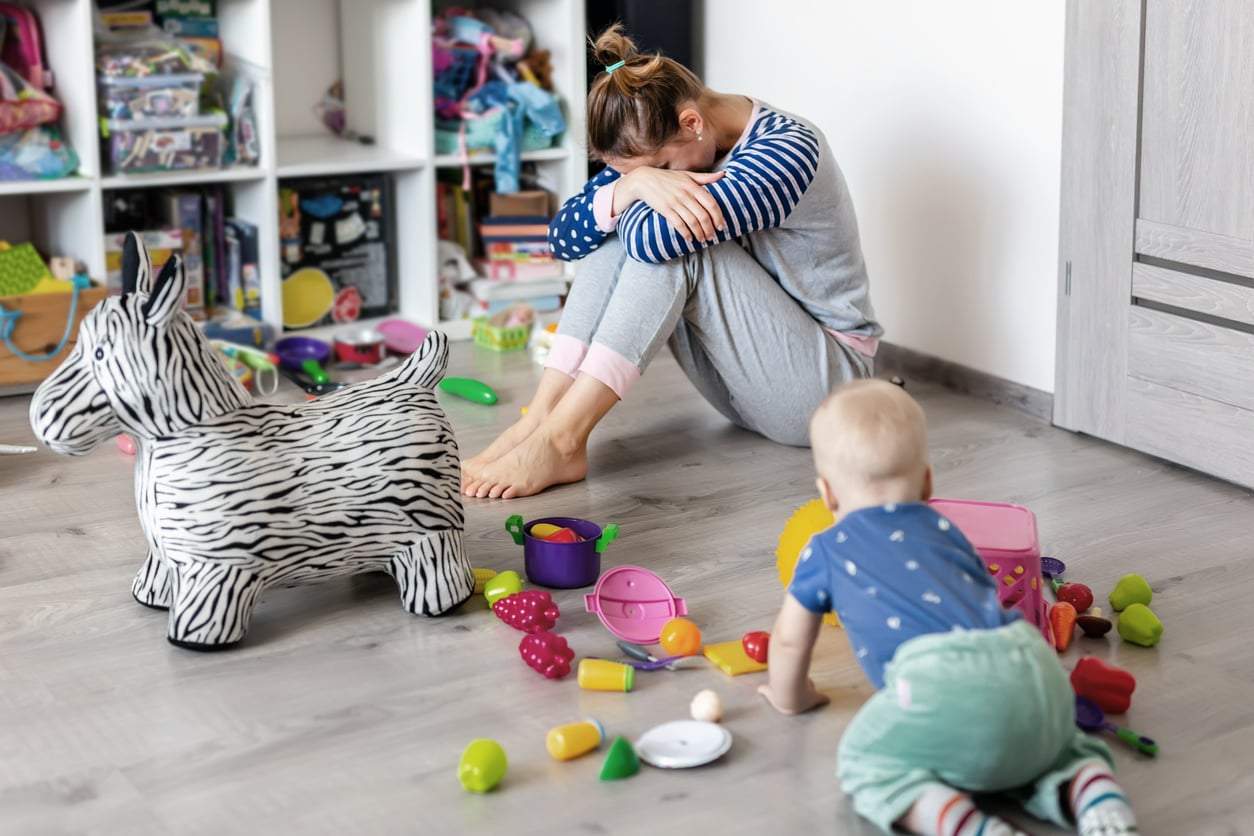
Another source of guilt-based pressure is the visible "perfection." Thousands of moms on social platforms show how to parent with almost artistic precision: balanced kids, flawless breakfasts, creative activities, spotless homes, and perfect hairstyles. Reality is far less sterile, but the pictures don’t show that. We see the perfect moment, not the chaos. Yet we still compare ourselves to it. This is part of the industry: if we feel everyone else is doing better, our anxiety grows—and that’s what they build on.
The question is: who benefits? Certainly not our children. Even less so us moms. But the industry players? Absolutely. Because as long as we carry guilt, we remain consumers.