We often link physical pain and problems solely to physical causes. But Eastern medicine sees body and mind as deeply connected, with many conditions—including herniated discs—rooted in emotional factors. Understanding the psychological triggers behind herniated discs can guide you toward full healing and deeper self-awareness.
A herniated disc happens when the cushion between the vertebrae in your spine shifts partially or fully, pressing on nearby nerves. This can cause symptoms like back pain, numbness, or weakness in your limbs. It usually develops from poor posture, sudden movements, or overexertion.
How Psychological Factors Influence Herniated Discs
But herniated discs aren’t just about the physical side. Eastern traditions like Traditional Chinese Medicine and Ayurveda highlight how our emotional and mental states directly impact physical health.
The spine is seen as the pillar of life, affecting the whole body. Problems here often connect to emotional blocks, stress, or suppressed conflicts in our lives.
The Role of Stress and Emotional Pressure
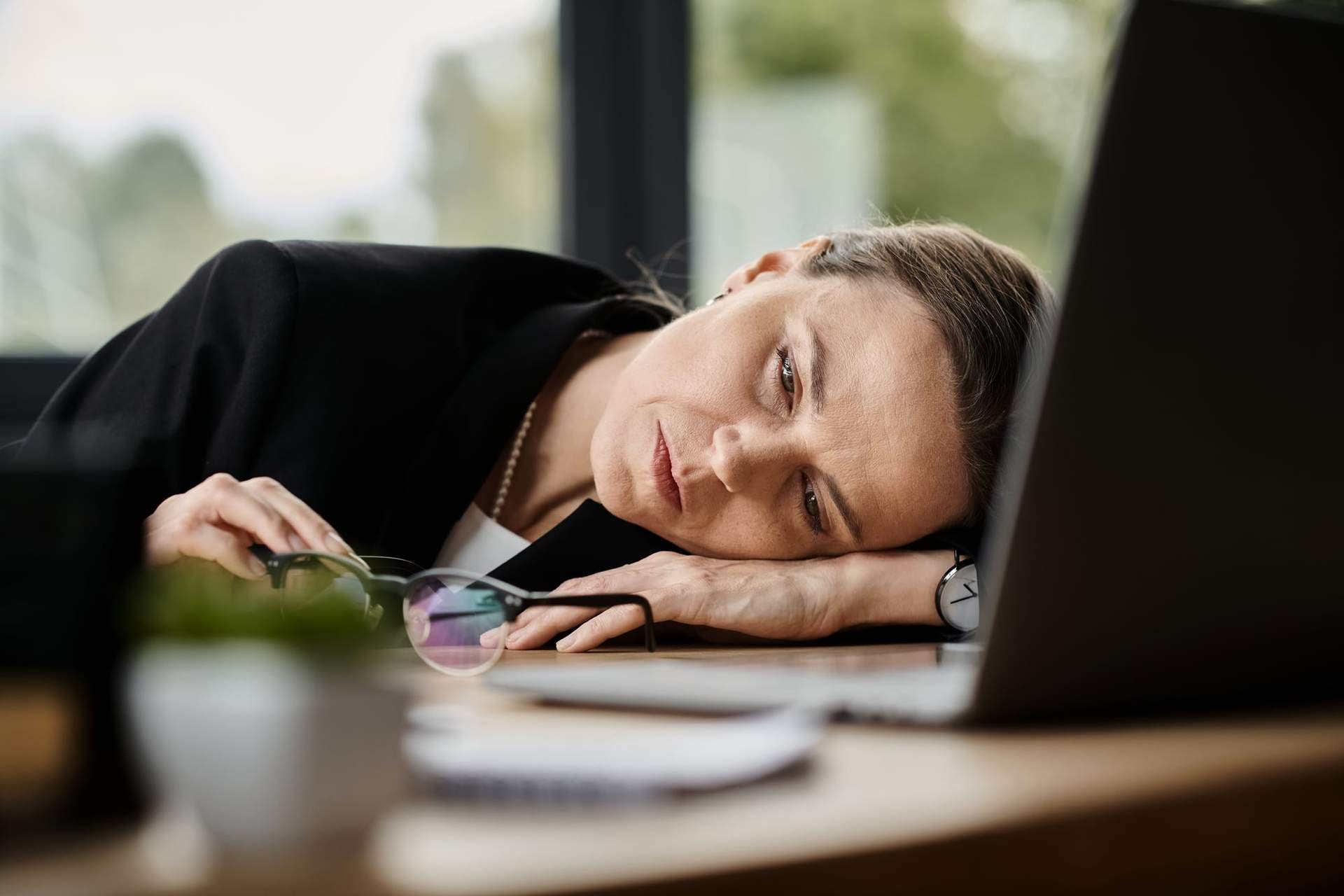
Constant stress, anxiety, or ongoing emotional pressure can tighten muscles. Over time, this tension affects the muscles around your spine and the discs themselves, contributing to herniated discs. Life’s emotional burdens—like work stress, family conflicts, or financial worries—can weigh heavily on your spine.
Eastern Medicine’s Perspective
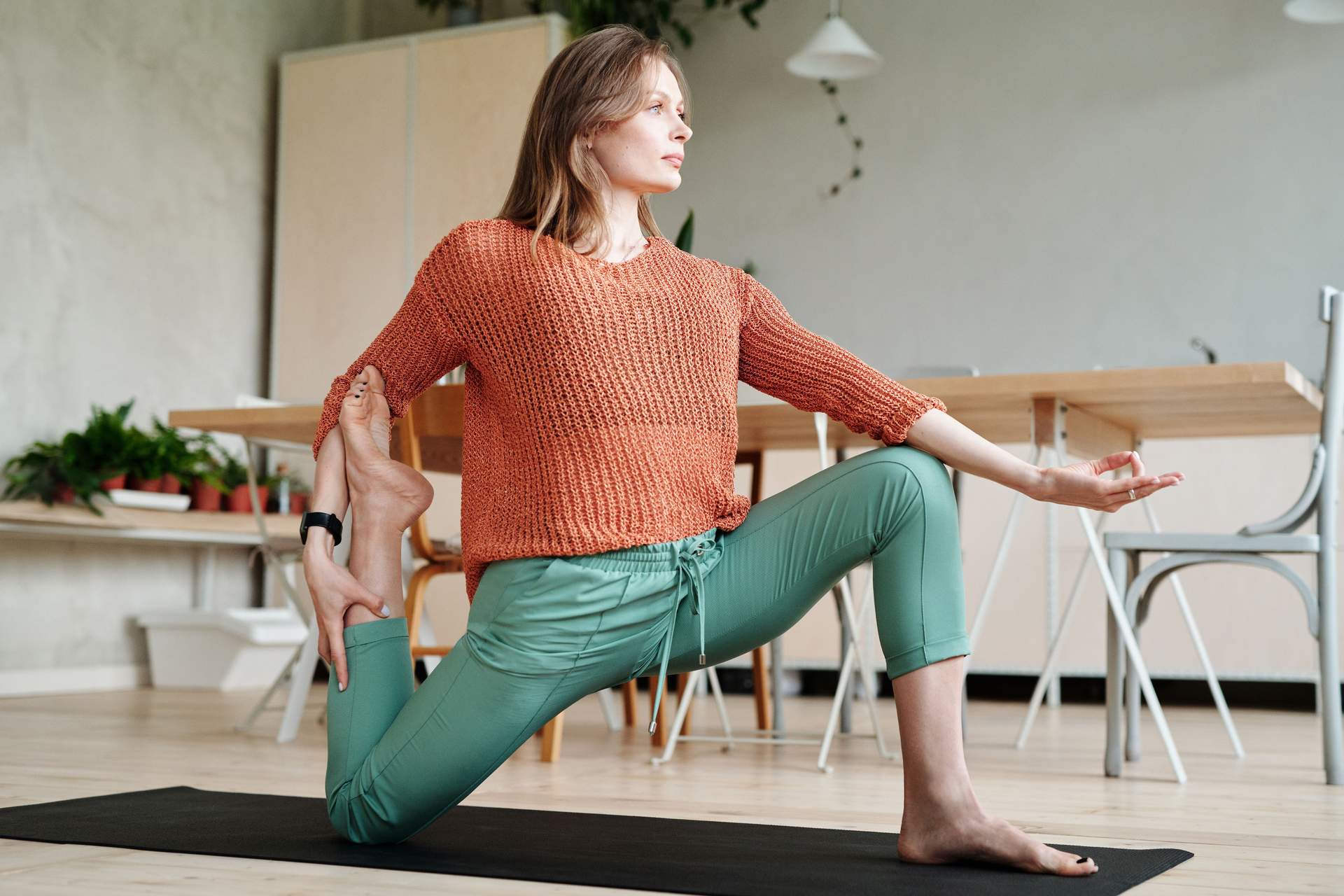
From an Eastern medicine viewpoint, your spine reflects the flow of life energy, called “chi.” When this energy gets stuck or blocked, health issues arise. In herniated discs, disrupted energy flow often signals a lack of personal and emotional balance. Restoring emotional harmony through meditation, yoga, or breathing exercises can help redirect this energy.
The Path to Healing
Treating herniated discs usually calls for a holistic approach that includes physical therapy and medical care, but also emotional healing. Practices like therapy or mindfulness reduce stress and strengthen emotional balance. Eastern therapies such as acupuncture and shiatsu massage can support treatment by helping restore energy flow.
A Self-Awareness Guide Against Herniated Discs
Personal growth and self-awareness play key roles in preventing and managing herniated discs. Facing yourself honestly and exploring suppressed emotions with practical tools can stop discs from herniating again and promote full recovery. Recognizing habits and emotional reactions that contribute to the condition—and working to change them—makes a real difference.
So, a herniated disc isn’t just a physical challenge—it’s part of a deeper emotional journey. For those open to looking beyond the pain, Eastern medicine offers a perspective that supports a fully lived life where body and mind flow in harmony.