
Even small amounts of carbon monoxide can cause serious symptoms, so prevention is key. This means not only regular checks of your devices but also recognizing symptoms and using a reliable detector.
It Can Cause Serious Trouble Fast
A tiny fault or skipped maintenance can let this colorless, odorless, yet highly toxic gas sneak into your home or vacation spot unnoticed. Carbon monoxide threatens health every year — not just in winter when cases spike, but also in summer, especially in closed, poorly ventilated spaces.
If you don’t have a carbon monoxide detector yet, get one as soon as possible. If you do, check it regularly! Also, it’s helpful to know the hidden signs of a possible leak. Dr. Howard Greller, toxicologist and expert at the New Jersey Poison Information and Education System, shared insights with Better Homes & Gardens that every household can benefit from.

Always Take These Signs Seriously:
1. Flu-Like Symptoms That Only Appear at Home
The first signs can be misleading: headaches, fatigue, feeling down — just like a mild virus. Carbon monoxide leaks are more common in heating season, but similar situations can happen in summer too, especially with gas-powered devices used indoors.
“The tricky part is telling if it’s just a simple virus or carbon monoxide poisoning,” says Dr. Greller. If symptoms disappear when you leave your home, that’s a serious warning. “If you had the flu, you wouldn’t only feel sick at home and then better after leaving,” he emphasizes. Another clue is if several family members experience similar symptoms at the same time.
2. Your Pet Acts Strange
“Miners used to bring canaries into the tunnels because these small, fast-metabolizing animals would react to danger before humans did,” recalls Dr. Greller.
Today, our pets can play this warning role. If your dog or cat suddenly seems lethargic, weak, or behaves oddly, it could be an early sign of carbon monoxide leakage. In such cases, seek professional help immediately and take your pet to the vet!
3. Your Carbon Monoxide Detector Goes Off
This is the clearest sign — yet often ignored. Many confuse the low battery beep with the alarm. It’s crucial to know your detector’s alarm sound, and if it goes off, leave the area immediately and call the professionals. “If the detector sounds, leave your home right away and call for help,” advises Dr. Greller.
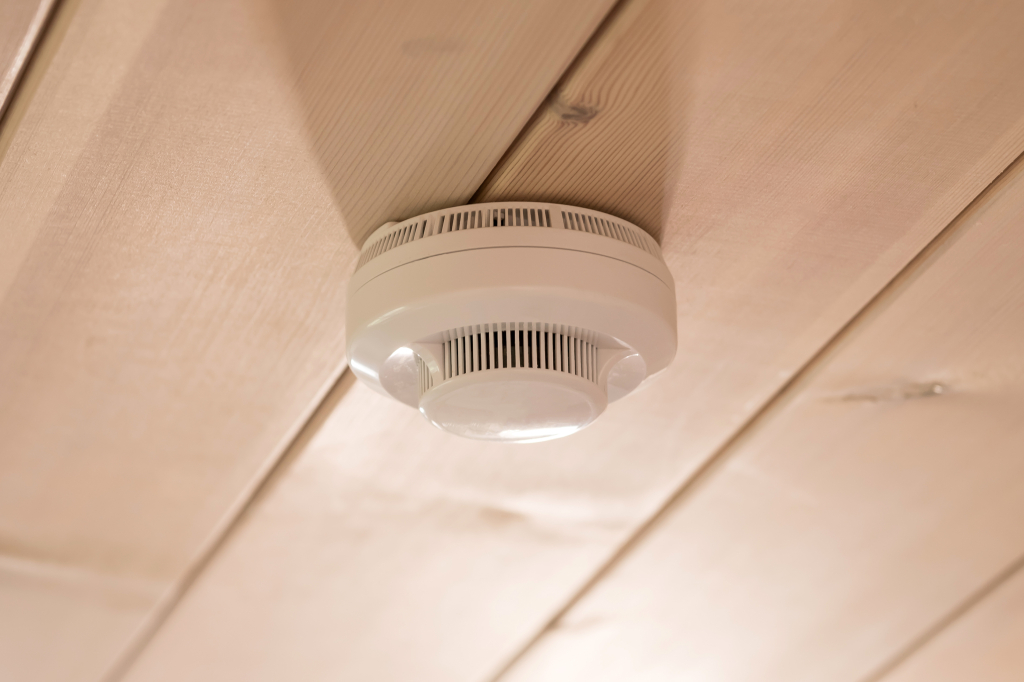
How to Choose a Reliable Carbon Monoxide Detector
You can easily find suitable detectors locally—in hardware stores, specialty shops, or trusted online retailers. Pick a model that meets the EN 50291 European standard and includes instructions in your language.
Some devices come with smart features, like sending alerts to your phone or integrating with smart home systems — especially handy for vacation homes or weekend getaways.
Always install the detector according to the manufacturer’s instructions: near bedrooms and close to gas appliances, boilers, or fireplaces. Poor placement can reduce its effectiveness.
Finally, here’s a simple routine to keep your detector in top shape:
- Test it monthly using the test button,
- replace the battery yearly (if it’s not hardwired),
- check the expiration date — detectors have a lifespan too!