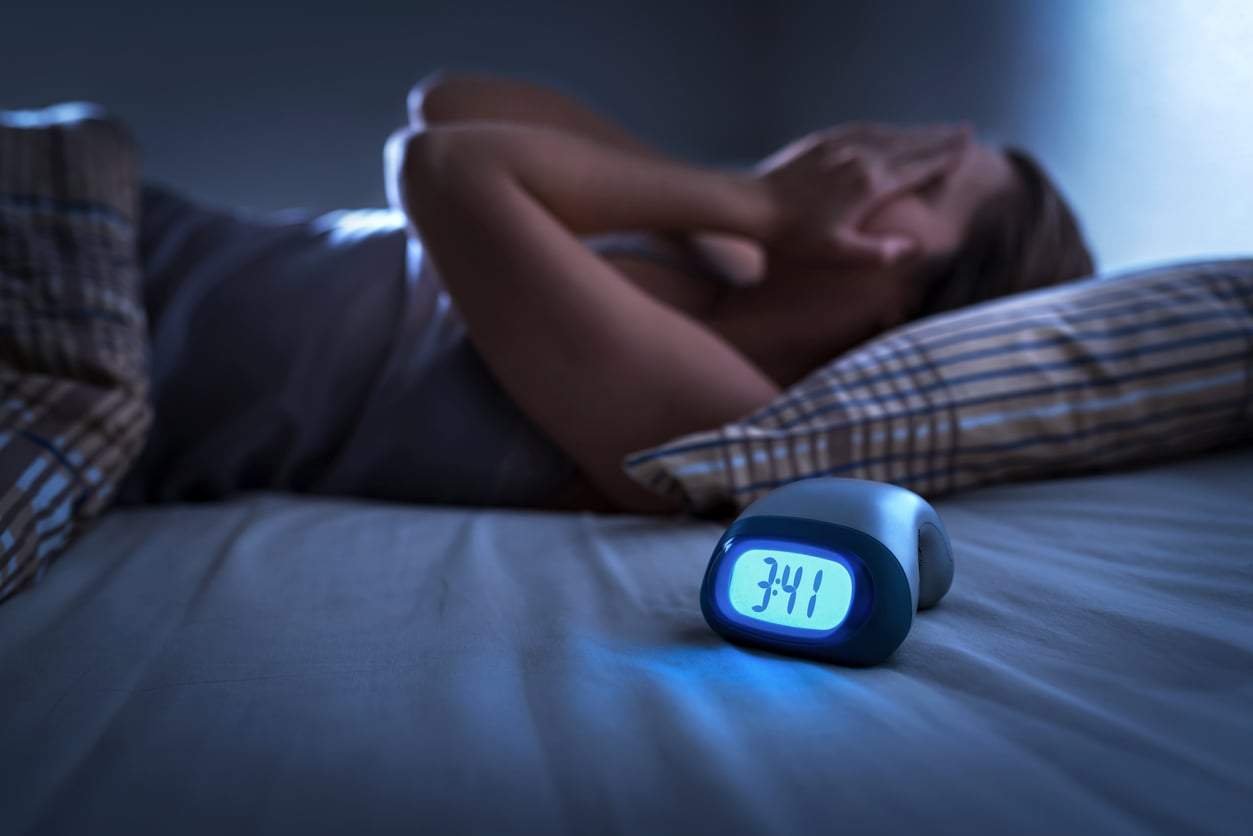
Four sleep positions might be telling you that stress is taking a toll. Some are surprisingly common, so it might be worth carving out extra time to unwind.
In a popular TikTok video, @laurel_gut_health_doc shared four sleep positions that could signal your body is under high tension. If you often find yourself in any of these poses, it might mean your stress management needs a boost—and it’s even showing up in your sleep.
If any of these feel familiar, your nervous system is likely stuck in survival mode. “These poses can be signs of chronic stress, elevated cortisol, or a body that’s out of balance,” Laurel explained in the video caption.
Many commenters saw themselves in these descriptions: “These are all my favorite sleep positions,” one wrote. Others wanted tips to ease the tension. Here’s what sleep experts suggest for each “stressful” pose to help you rest easy.
Could These Sleep Positions Be Stress Signals?
Your brain and body are tightly connected when it comes to stress—and it can show up in how you sleep.
If your mind races—worrying about an upcoming meeting or replaying awkward moments from a date—your body switches to "fight or flight" mode, activating your sympathetic nervous system, aka your stress response.
That’s why you might adopt defensive sleep positions. And it works both ways: “Curling up, crossing your arms, or tensing your muscles like you’re protecting yourself sends your brain a message that you’re in danger,” says Dr. Debra Kissen, clinical psychologist.
Let’s check out the 4 sleep positions that suggest your nerves are still battling stress even while you rest:
The Mummy Pose
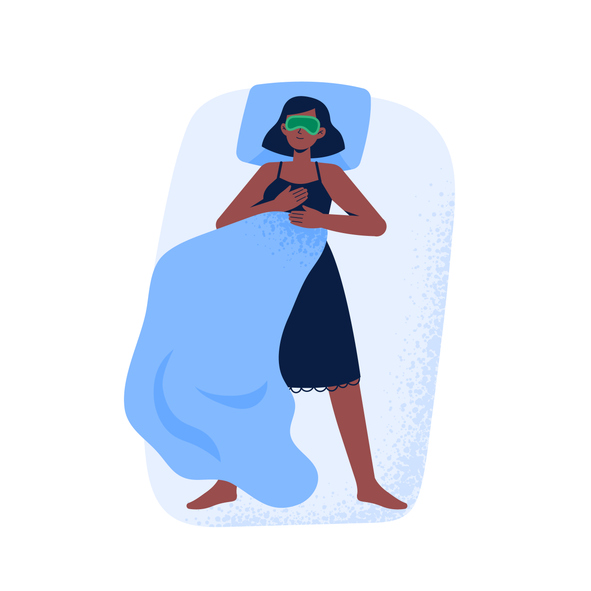
If you often lie on your back with your arms tightly crossed over your chest, it could mean daily stress is keeping you on high alert. “Crossing your arms can signal heightened vigilance, like you’re bracing for the worst,” explains Kissen.
Sleeping on Your Stomach
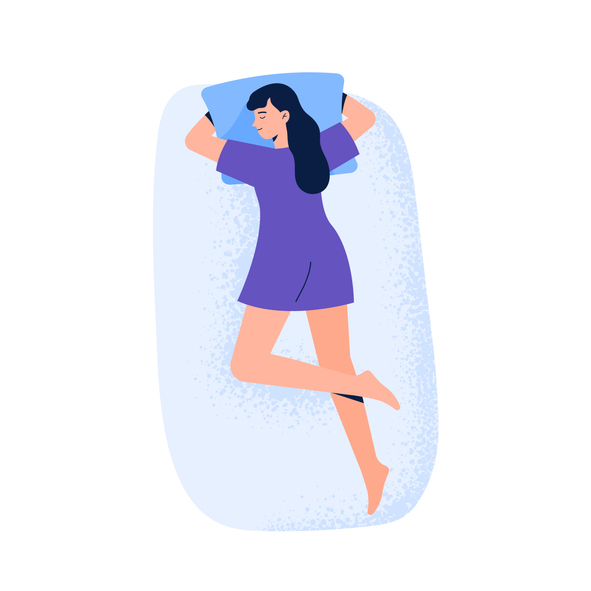
Stomach sleeping might just be comfy, but it’s also common among those who feel anxious. “Pressing into the mattress gives a grounding sensation, like you’re holding yourself steady in a chaotic world,” says Kissen.
The Fetal Position
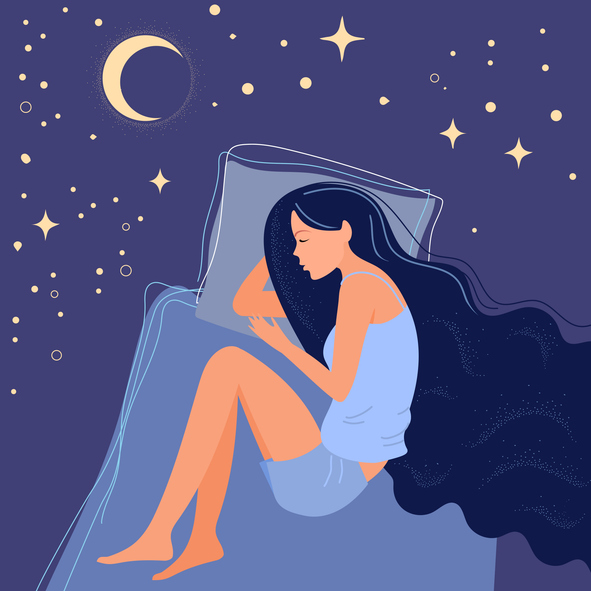
If you curl up tightly, it’s worth reflecting on this protective posture—it shields your front and vital organs. Most people turn to this position during stressful times.
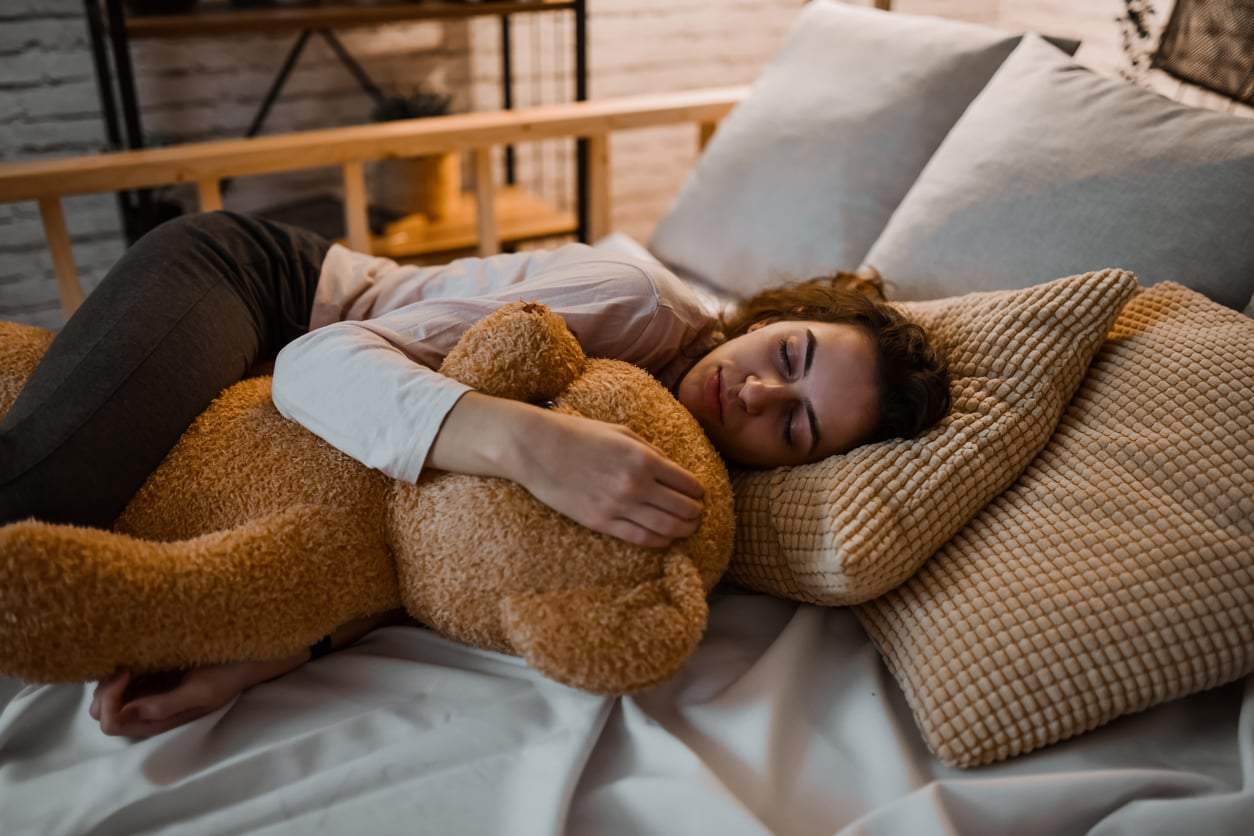
Hugging Your Pillow
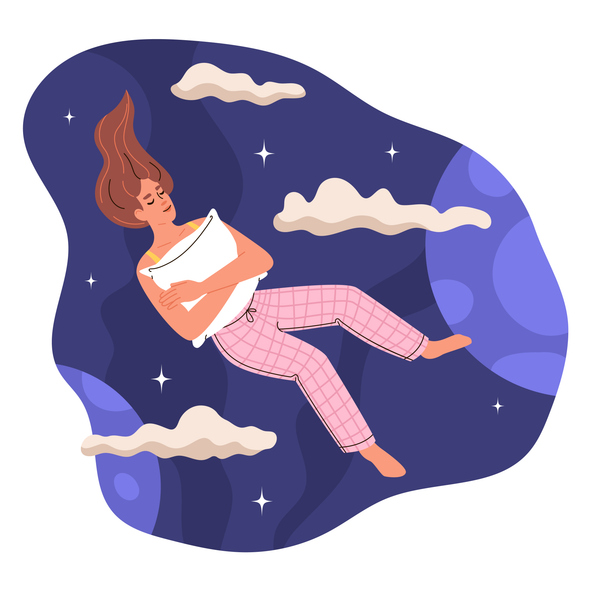
Grabbing your pillow as soon as you lie down can also signal a search for comfort and calm. “Clinging to something soothing helps stabilize you when you feel emotionally shaky,” says Kissen.
How to Ease Stress Before and During Sleep
Sleep expert Dr. Jade Wu recommends reducing daily stress with movement, mindfulness, and social connections. Long walks, meditation, and catching up with friends all help release tension. These habits lead to calmer, longer, and more restful sleep.
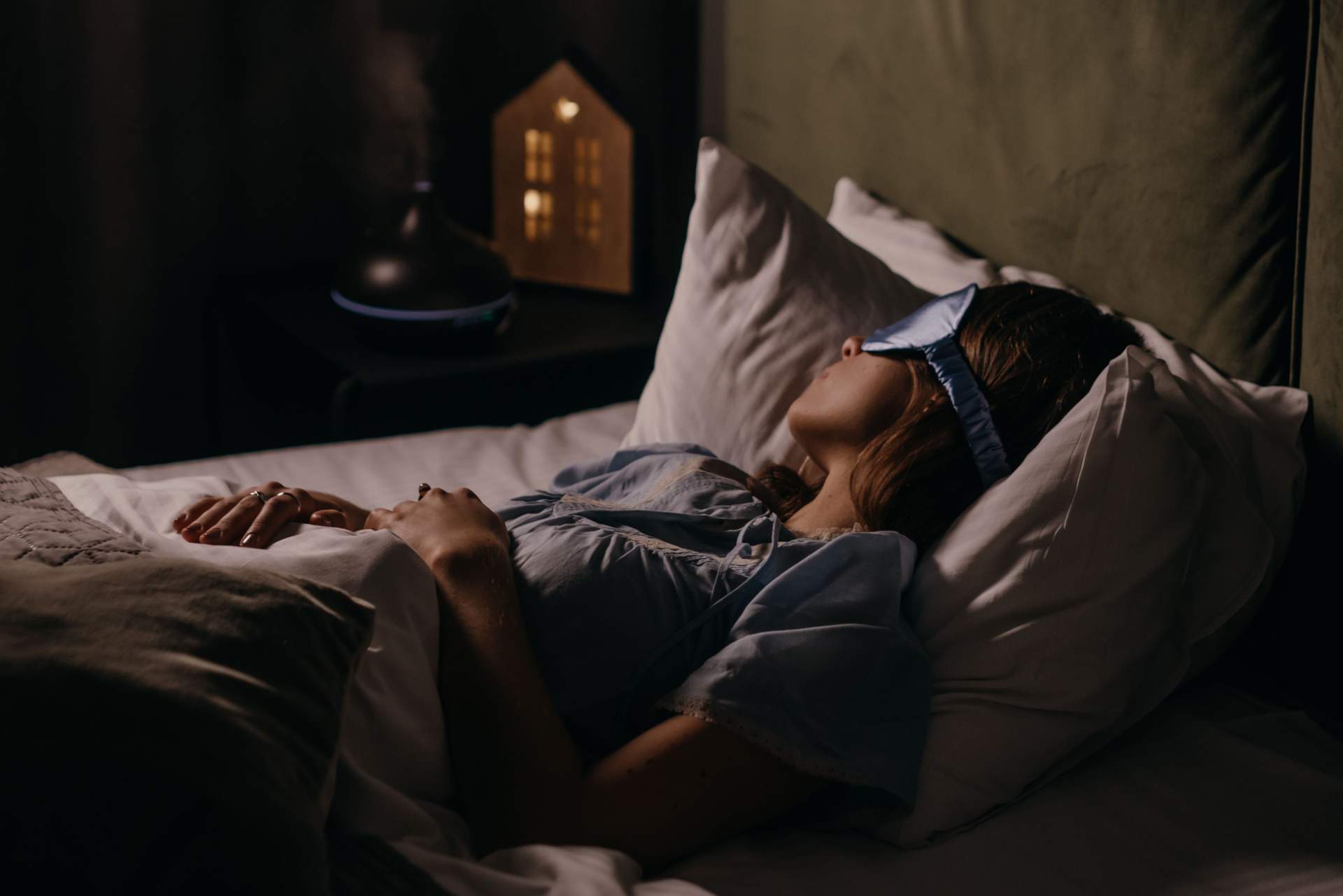
On especially stressful days, try relaxing activities before bed—like stretching, a warm bath, or a soothing story—to help your body unwind.
Aim to fall asleep on your side, and the more open your sleep posture, the calmer you’ll feel. This sends your brain the message that you’re safe and don’t need to stay on guard.