What if your front door decor could also protect your home from flies? This dried herb wreath is one of those rare DIY projects that's both beautiful and genuinely useful. Made with lavender, rosemary, mint, basil, and bay leaves, it works as a natural insect repellent — and it smells incredible.
Why these herbs actually work
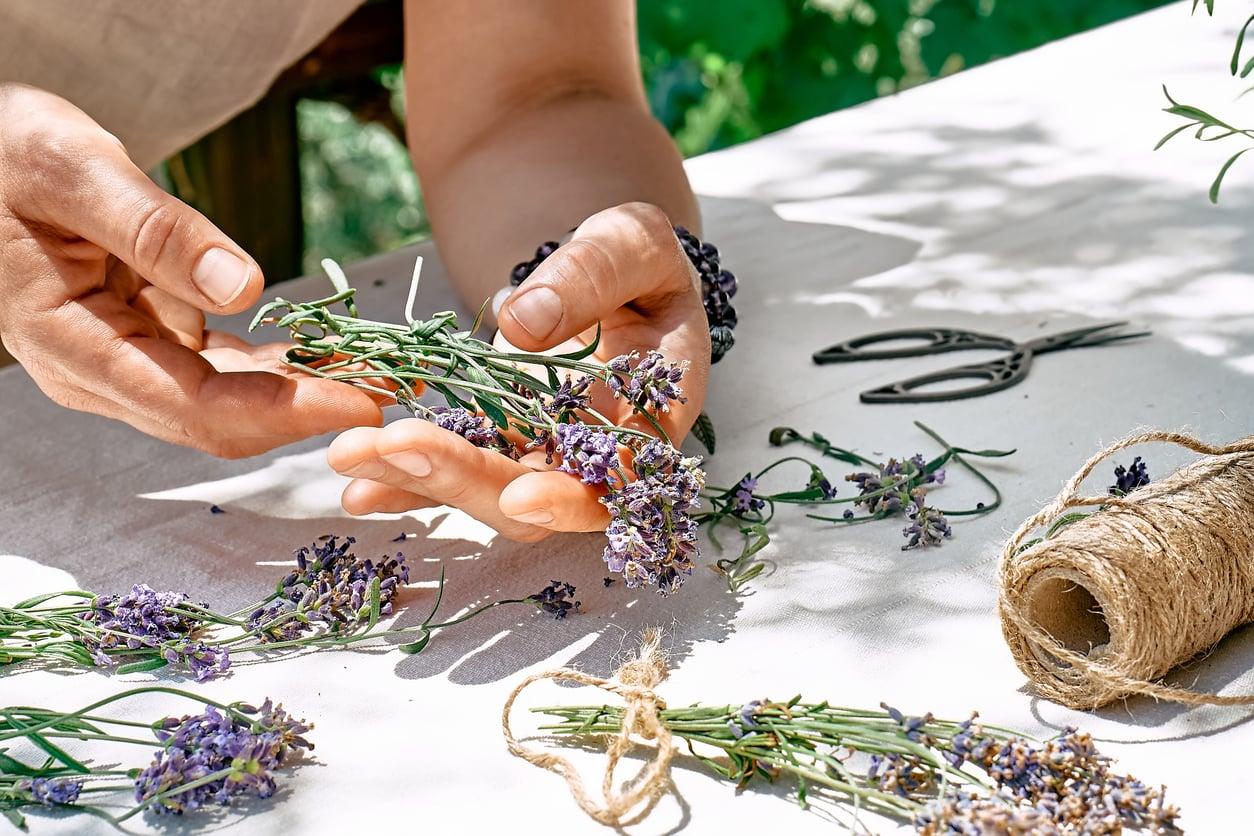
Lavender is one of nature's most effective insect deterrents. Its calming scent may be beloved by humans, but flies and other insects want nothing to do with it. Research suggests that lavender is a powerful natural repellent — making it a great chemical-free alternative for keeping your home bug-free.
Rosemary brings a bold, woody fragrance that does more than elevate your cooking. In dried form, it's one of the best base ingredients for a fly-repelling wreath, adding both texture and serious scent power.
Mint is the scent that flies and mosquitoes genuinely dislike. It's fresh, vibrant, and instantly recognizable — and it gives your wreath an energizing lift that's as good for your mood as it is for keeping pests away.
Basil is more than a kitchen staple. Its intense, peppery aroma is well known for repelling flies, making it a surprisingly powerful addition to any natural pest-control setup. Bay leaves round out the blend with their warm, spiced scent — long used in Mediterranean traditions for their insect-repelling properties.
How to make your herb wreath — step by step
Step 1: Gather your materials
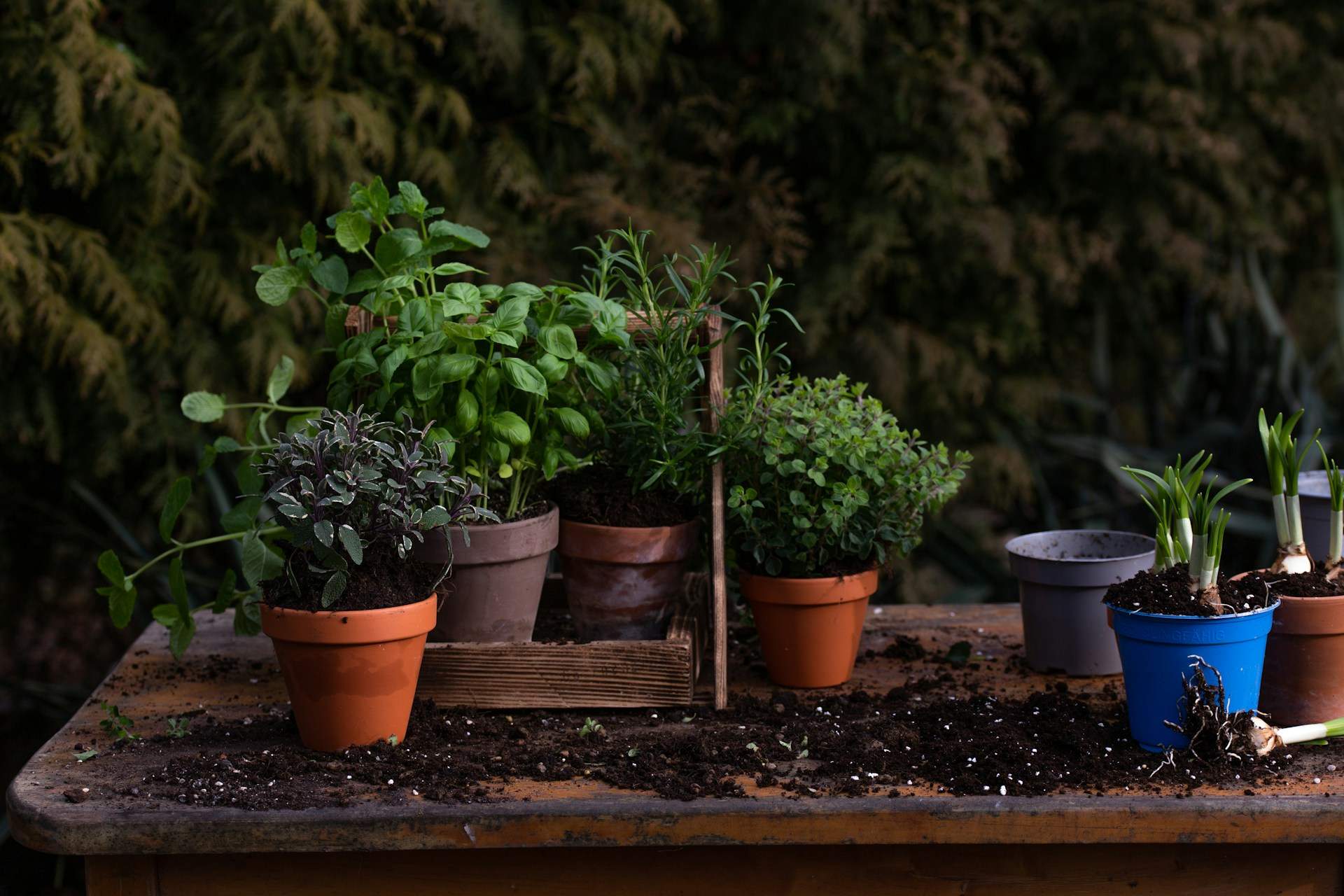
You'll need dried lavender, rosemary, mint, basil, and bay leaves. Pick these up at a health food store, order them online, or — even better — dry your own fresh herbs at home. Home-grown herbs tend to hold their scent longer and make the whole project feel more personal.
Step 2: Build your base
Start with a wooden or metal wreath frame in a size that suits your door or window. For a natural, cohesive look, wrap the frame with jute twine or cotton cord before you begin attaching the herbs. These natural textures complement the earthy tones of dried herbs beautifully.
Step 3: Arrange and secure the herbs
Think about visual balance as you work. Begin with the larger, more dramatic sprigs — rosemary and lavender are ideal anchor pieces — then layer in the smaller leaves like basil and bay for contrast and depth.
Secure everything firmly using thin floral wire or a strong, discreet twine. Make sure each bunch is tightly fastened so the wreath stays looking great over time and doesn't loosen with handling or wind.
Looking for more creative ways to use herbs around the home? There are plenty of simple ideas worth exploring.
Tips to make your wreath last longer
Once your wreath is finished, a little care goes a long way. In humid or rainy climates, bring it indoors or hang it in a sheltered spot to protect the dried herbs. A light mist of natural color-preserving spray can help the leaves hold their original color and vibrancy for much longer.
Placement matters too. Hang it on your front door to welcome guests — and quietly discourage flies from coming inside. It works just as well on a window, a balcony railing, or even indoors near an entryway. Anywhere you want a fresh, natural scent and a touch of handmade charm, this wreath delivers.
The atmosphere it creates is the real bonus
Beyond the practical benefits, a dried herb wreath brings something harder to define — a warmth, a scent, a sense of care — that makes any space feel more inviting. The natural fragrance gently refreshes the air around it, and the handmade quality gives your home a personality that no store-bought decoration can quite replicate.
It's a small project with a surprisingly big impact. And once you've made one, you'll wonder why you didn't do it sooner.