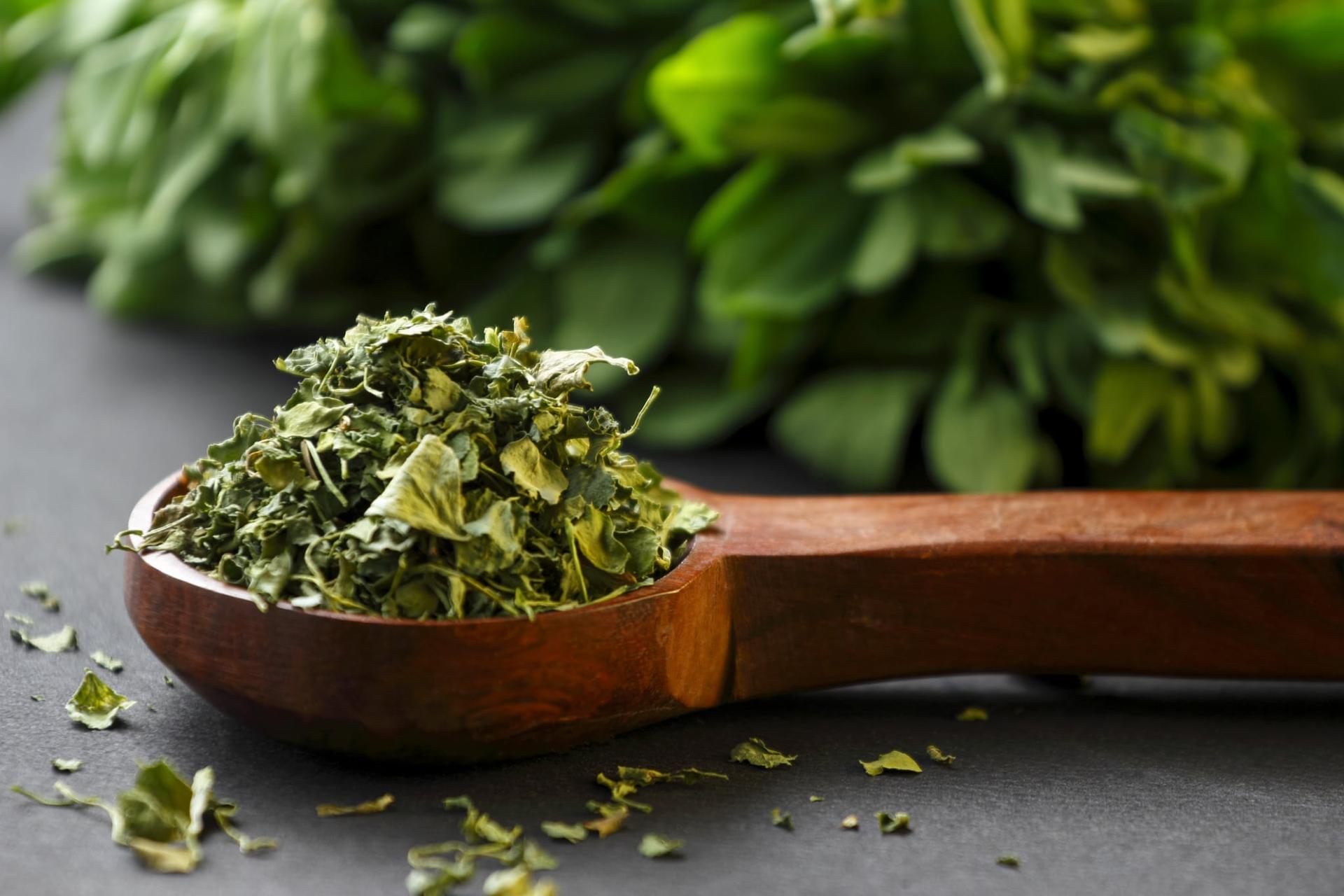
In a world where more people are turning back to natural remedies, fenugreek stands out as a powerful ally for maintaining health. This ancient herb has stood the test of time, its benefits undiminished—only human attention has shifted, especially under the shadow of modern pharmaceutical giants. Yet whenever we seek real value from nature’s pharmacy, fenugreek consistently earns a top spot for its positive health effects. Today, it’s especially known to fans of Eastern cuisine, as it’s a key ingredient in curry spice blends.
Used Since Ancient Times
Fenugreek, or Trigonella foenum-graecum, is no new discovery. Ancient civilizations like the Egyptians and Greeks often used it in medical treatments and rituals. Even then, it earned people’s trust—not only for soothing sore throats but also for treating various ailments.
Over centuries, different cultures uncovered more benefits, applying them in cooking and healing alike. Although it faded into the background by the late 19th century, fenugreek is now regaining appreciation worldwide as interest in natural health surges.
The Health Benefits of Fenugreek
Recent decades have seen numerous scientific studies revisit and confirm fenugreek’s healing powers. One of its most notable effects is lowering blood sugar levels. This can be a game-changer for people with diabetes, as it naturally supports insulin balance.
In one study, participants took fenugreek capsules, which not only lowered their blood sugar but also slowed the rise in blood sugar after meals.
Fenugreek can also help with everyday issues like sore throats. Its mucilage content soothes throat irritation, easing inflammation and pain. It’s often used to relieve symptoms of throat infections, especially during times when respiratory illnesses are more common.
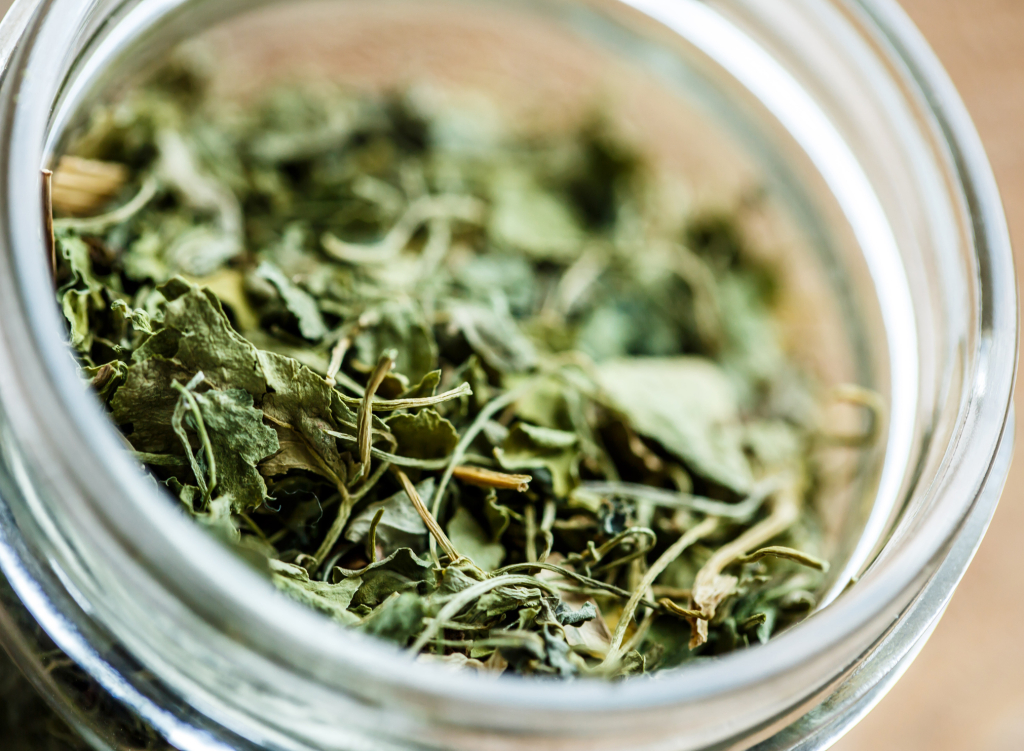
Fenugreek and Digestion
Modern lifestyles often come with digestive challenges. That’s why fenugreek can be especially helpful for supporting digestion. Its fiber content not only improves bowel movements but also aids the body’s natural detox processes.
Fenugreek seeds can ease constipation by absorbing moisture, increasing stool bulk, and encouraging healthy bowel movements.
It’s also effective at reducing uncomfortable heartburn symptoms. Combined with dietary changes, fenugreek can help manage these issues long-term, offering lasting relief from recurring discomfort.
Culinary Uses
Fenugreek’s appeal isn’t just medicinal—it’s a culinary star too. A staple in Asian kitchens, it flavors popular curries and adds a unique, slightly bitter note to many dishes.
In Mediterranean countries, fenugreek appears not only as a spice but also as a main or side dish, perfectly complementing vegetable flavors. Its distinctive aroma can make even the simplest meals memorable.
Fenugreek has stepped back into the spotlight recently, thanks not only to culinary trends and health-conscious choices but also to a growing desire for natural living and a revival of traditional wisdom. Whether you use it as a remedy or a spice, fenugreek’s versatility and effectiveness make it a must-know herb.