The Right Lighting Conditions
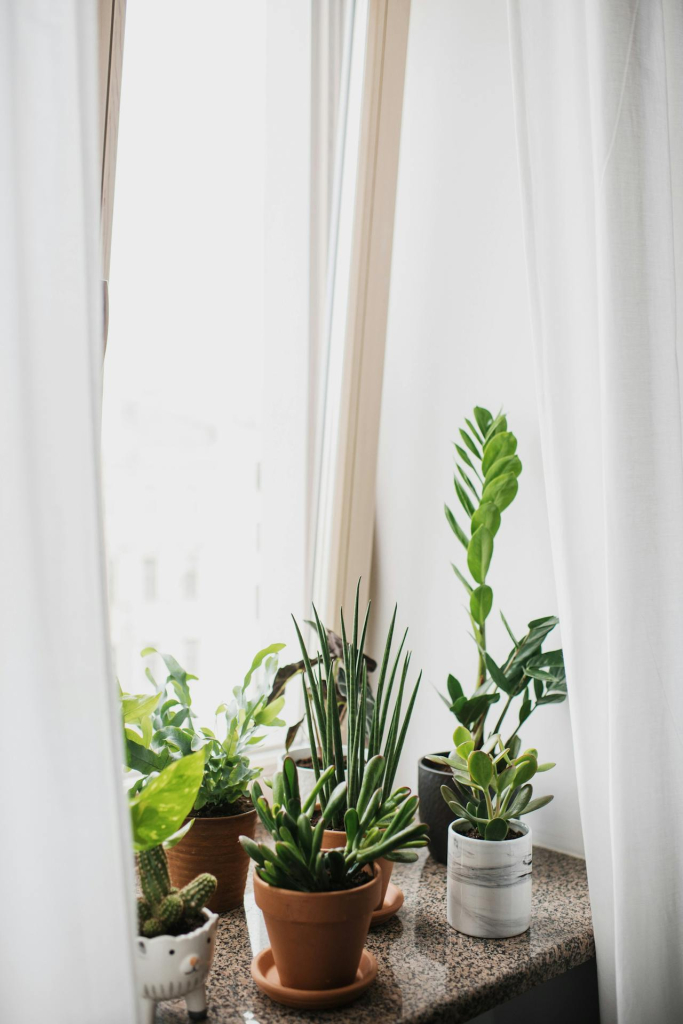
For our plants to truly thrive in our homes, we must primarily pay attention to the right lighting conditions. Different houseplants require varying amounts of sunlight, and it matters which windowsill they are placed on. Some feel best in a sunny, south-facing window, while others prefer shadier, north-facing spots.
But you don’t need to be a botanist to recognize if you’ve chosen the right spot — just learn to observe the subtle signs the plants show us. Five such signals are especially important — if you know them well, you can easily find out if your houseplant is in the right place and how to make the most of your home’s lighting conditions!
See How Your Plant Reacts to Light
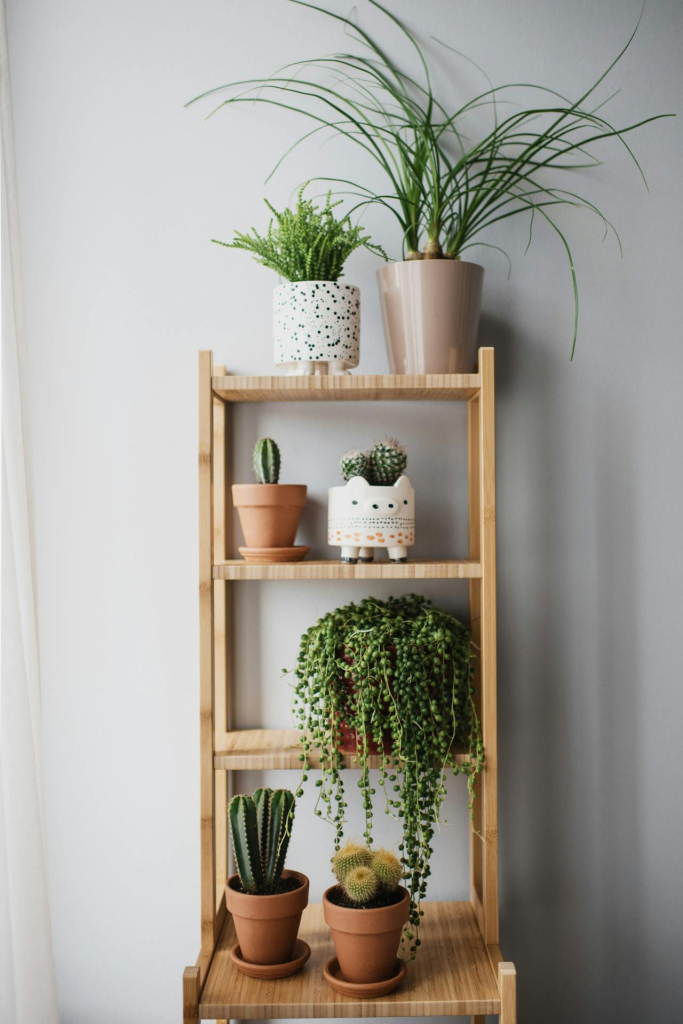
Houseplants respond sensitively to the amount of light — this is the most important factor determining how they grow. For example, a south-facing window receives strong, direct sunlight all day, which is perfect for cacti, succulents, and other sun-loving species. However, this light can be too intense for shade-loving plants, which feel better near an east or north-facing window.
Tip: If you don’t know which direction your window faces, use a compass app or observe the sun’s position at different times of the day!
Watch the Color and Condition of the Leaves
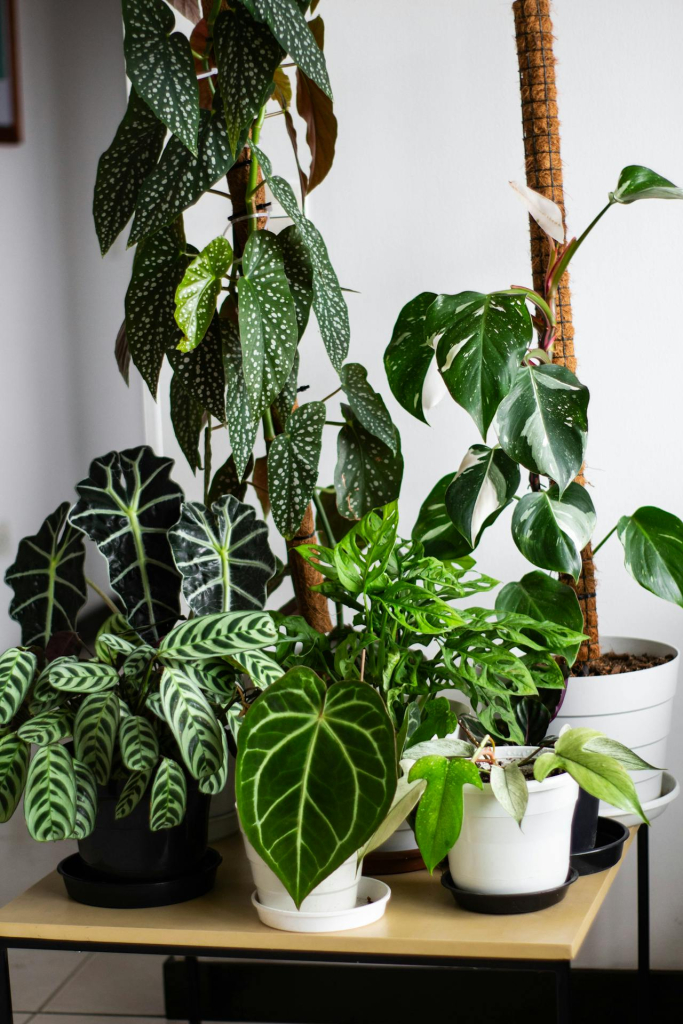
The leaves almost always reveal if something is wrong. If they yellow, curl, burn, or start falling, it may indicate they are getting too much or too little light. For example, a peace lily can brown quickly in too strong light, while a cactus may become pale and stretched if it lacks enough light.
Good to know: Pale or elongated leaves usually indicate a lack of light!
See How the Plant Grows
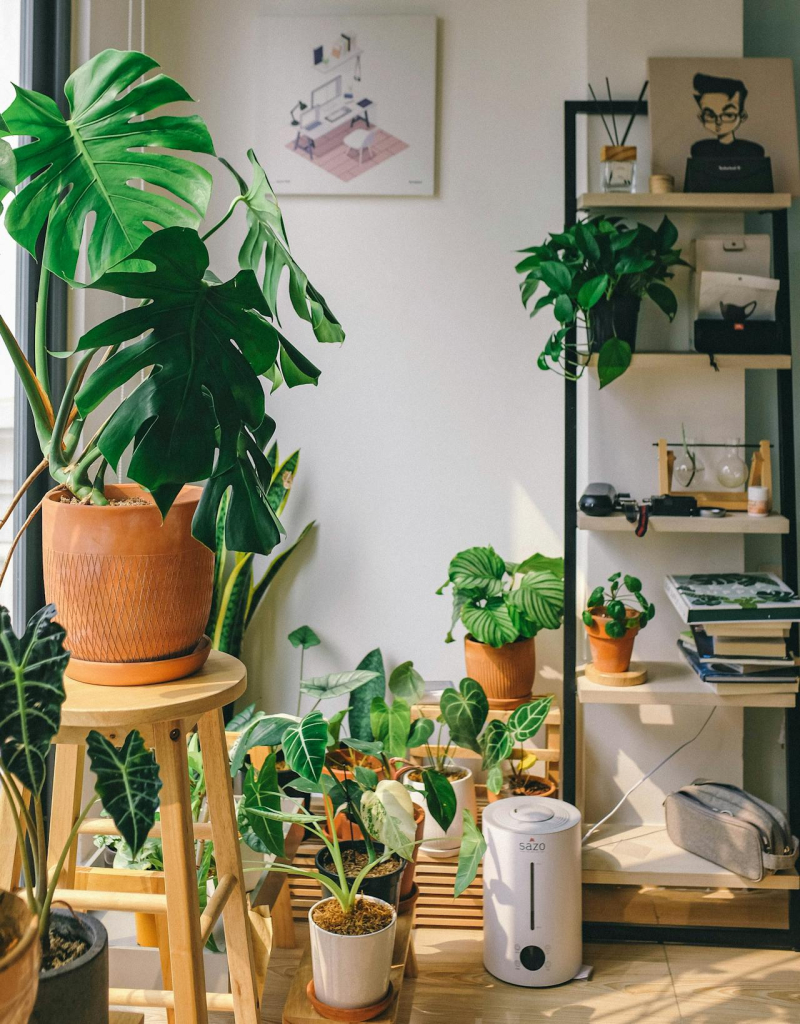
Natural growth is a key sign that the plant is in the right place. If it visibly stretches in one direction, it means it’s trying to get closer to the light — in this case, it’s worth rotating the pot or moving it to another spot.
Tip: If you rotate your plants once a month, their growth will be more even, and they won’t become lopsided.
Find Out What Kind of Light Your Plant Likes
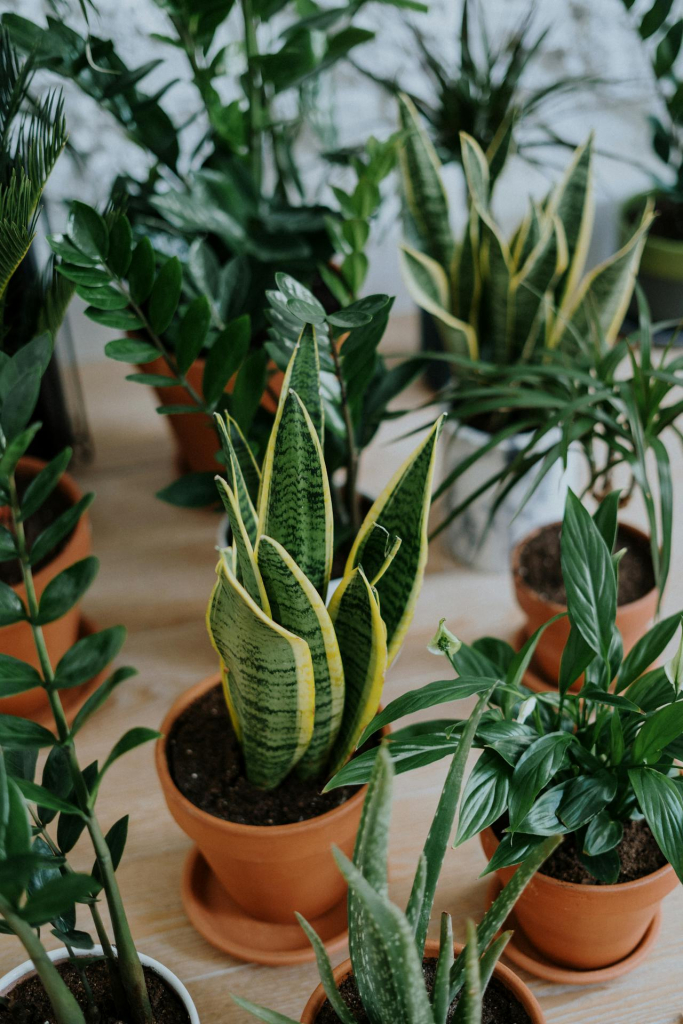
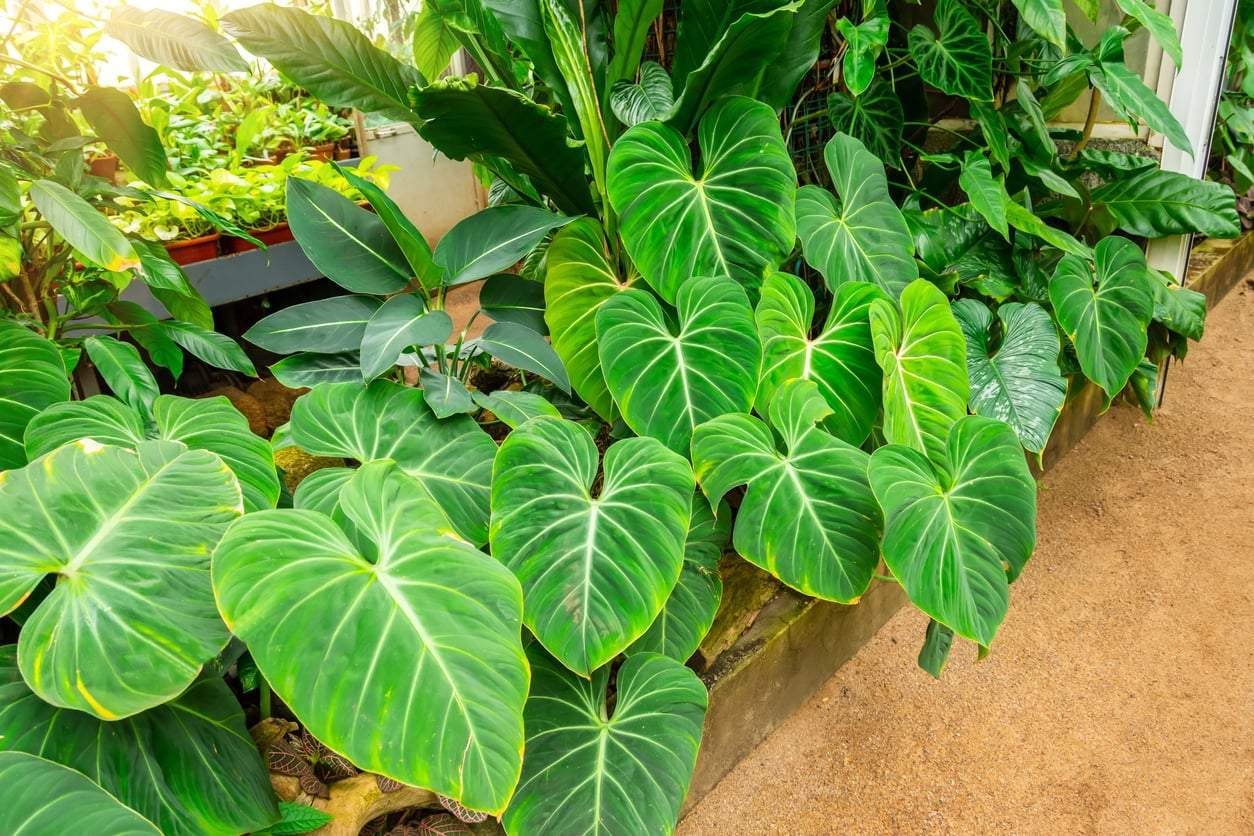
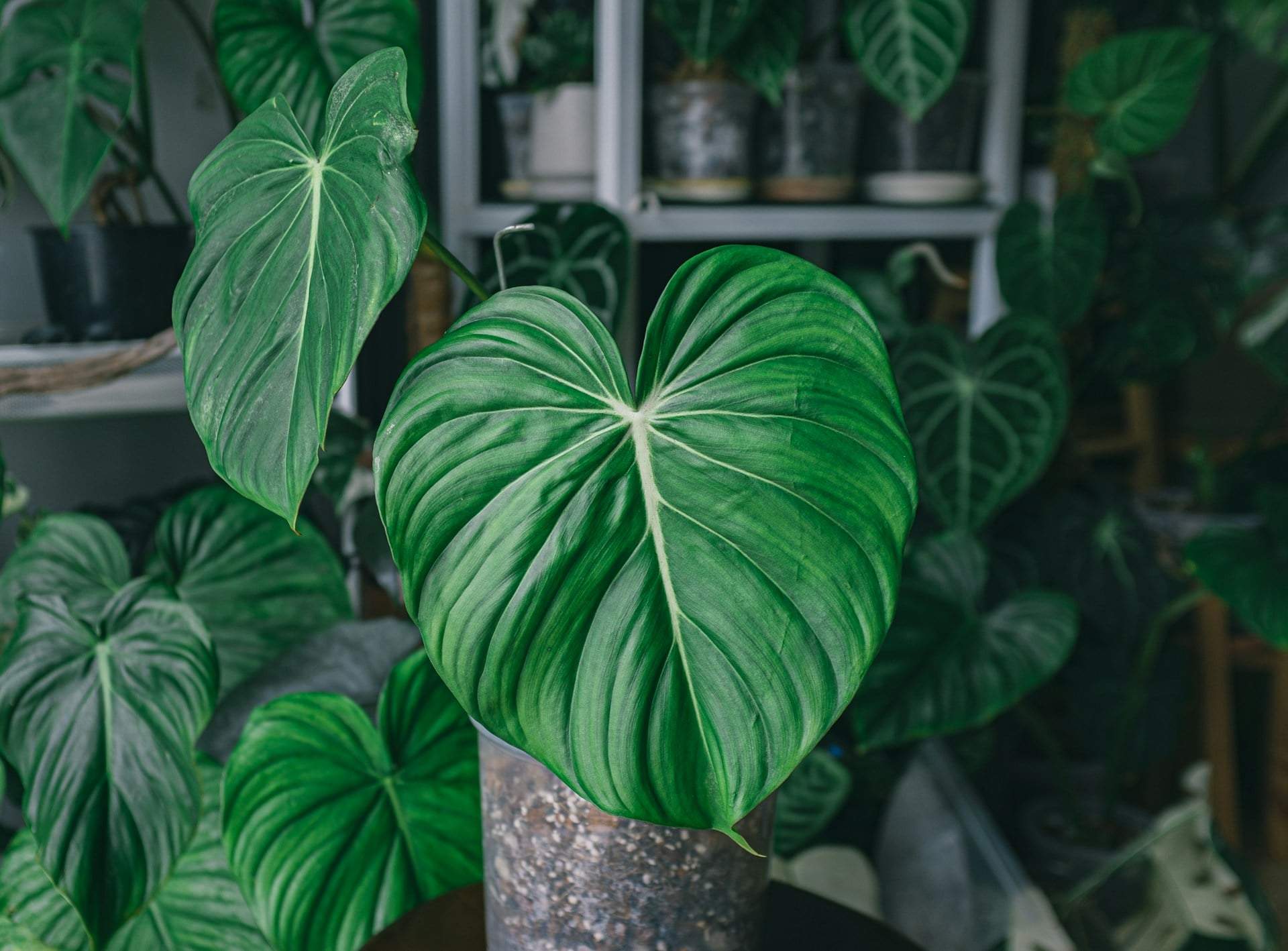
Not all plants like the same conditions. A philodendron or pothos can be perfectly happy in a north-facing window, while a weeping palm or ficus feels better in west or south-facing spots with more natural light. Morning sunlight (east-facing window) is gentler, ideal for ferns or the arrowhead plant.
Never forget: light not only affects growth but also the plant’s health, flowering, and color!
Use Tools If Needed
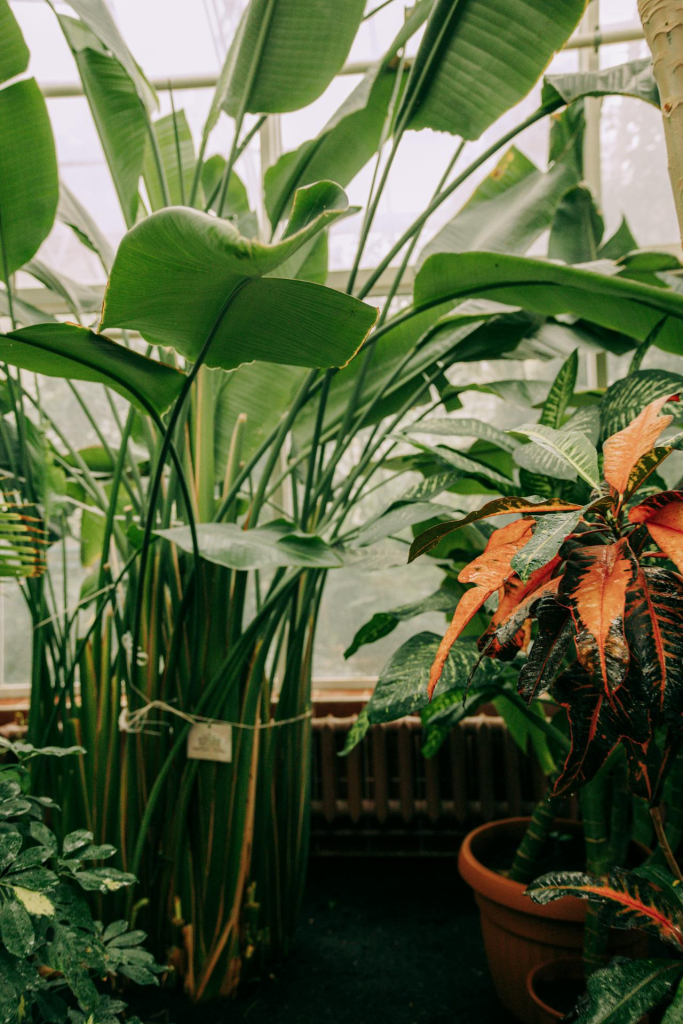
Not every home has ideal conditions. If you have a darker apartment or not enough windows, there is still a solution: light-filtering curtains can reduce strong sunlight, while LED grow lights supplement missing illumination. These are especially useful in winter when the number of sunny hours drastically decreases.
Extra tip: If in doubt, start with less demanding, shade-tolerant plants — the spider plant, snake plant, or pothos are always good choices.
All in all, the health of houseplants is closely linked to choosing the right spot. Which window you place them behind can be crucial — and if you pay attention to the subtle signs, the plants themselves will tell you if everything is alright with them.
With a little care, some practical tricks, and patience, you can almost certainly create a lush, green oasis in your home! Watch the angles of light, observe your plants’ behavior, and with proper care, soon every leaf will shine!