The concept of smart cities is no longer a distant future: in 2025, the world’s most innovative cities offer technology solutions that have become part of daily life. From AI-driven transportation to fully cashless living, these cities represent not only economic growth but also a new standard of quality of life.
BBC recently highlighted that according to the World Intellectual Property Organization’s (WIPO) latest 2025 Global Innovation Index (GII), the world’s leading innovation hubs excel not only in patents and investments but also in enriching residents’ everyday experiences with technology.
The top five city clusters – Shenzhen-Hong Kong-Guangzhou, Tokyo-Yokohama, San José-San Francisco, Beijing, and Seoul – offer a fascinating glimpse into what living in a truly modern city feels like.
Shenzhen-Hong Kong-Guangzhou
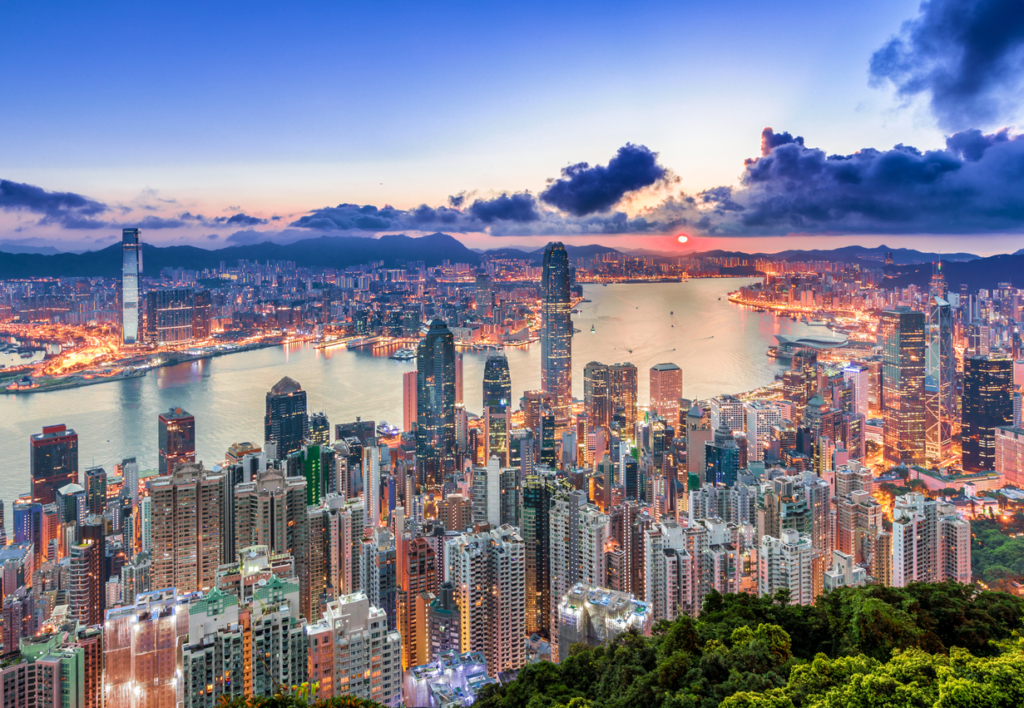
China’s tech heartland tops the GII rankings. Here, innovation is woven into daily culture, with traditional markets and high-tech startups thriving side by side.
Jamie River from Hong Kong describes the city’s unique energy as a “collision of old and new”: street vendors use QR code payments while handwritten price tags still appear, and shop owners manage orders through three different apps simultaneously.
The Octopus card, introduced in 1997 for public transit payments, now covers everything: subway, parking, vending machines – all with a simple tap.
In Shenzhen, creativity has almost a physical space: places like OCT Loft and Shekou Design Society offer affordable access to VR gear and 3D printers, inviting hobbyists and professionals alike to experiment. Annual drone shows light up the sky with up to 12,000 drones performing breathtaking light displays.
Tokyo-Yokohama
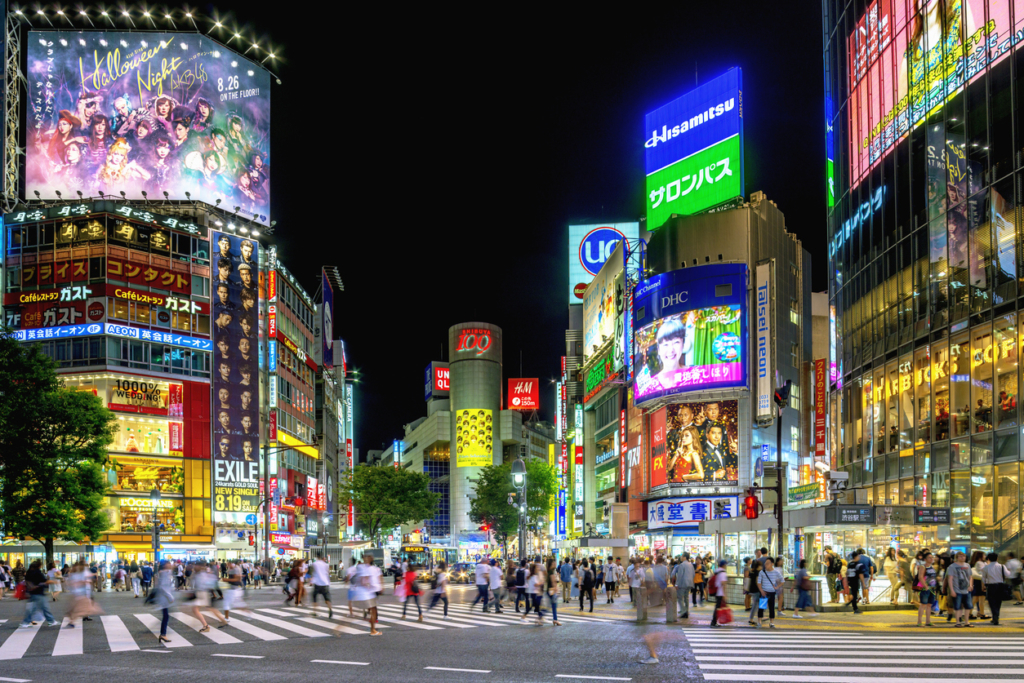
For locals, innovation here smooths daily life. AI sensors, self-checkout stores, and multifunctional transit cards all make life easier. Dana Yao, who moved from the U.S. to Tokyo, highlights that “technology here is advanced but always human-centered and helpful in everyday life.”
Experiences like the fully automated check-in at Henn Na Hotel, the driverless Yurikamome train, and the interactive digital exhibitions at teamLab Planets feel futuristic yet tangible. In Tokyo, technology isn’t just a spectacle—it’s a seamless part of life that keeps getting more comfortable and enjoyable.
San José-San Francisco (Silicon Valley)
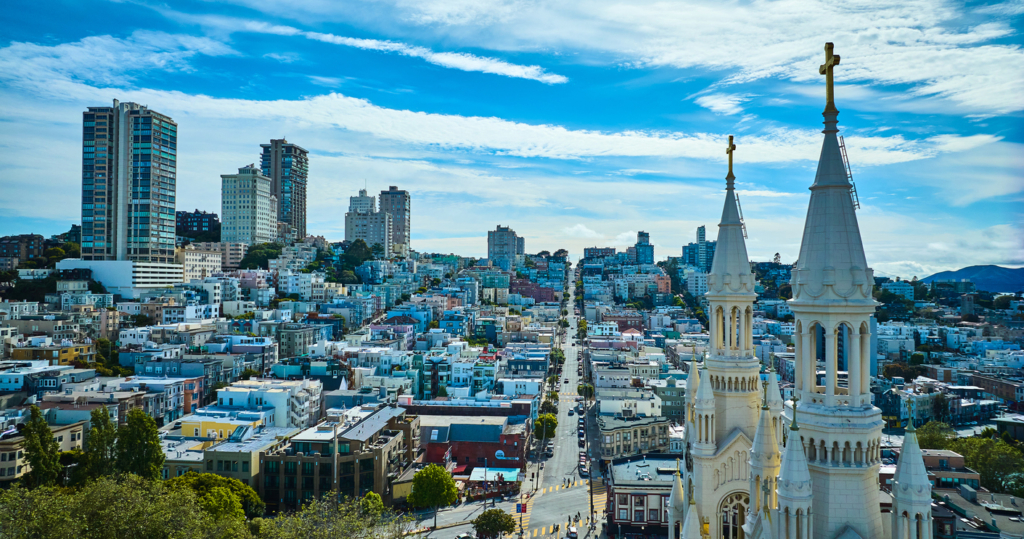
The world’s tech capital is a hub for entrepreneurs and startups. Here, networking and innovation are almost tangible: the latest apps, AI solutions, and self-driving cars reach locals months before going global.
Ritesh Patel, a newcomer entrepreneur, says, “Every conversation in this city is a chance to build connections and test new ideas.”
Life in San Francisco is exciting not just career-wise but also for experiences: you can try cutting-edge tech before anyone else. Self-driving Waymo cars, AI-powered services, and startup-filled cafes showcase innovation in action.
Beijing
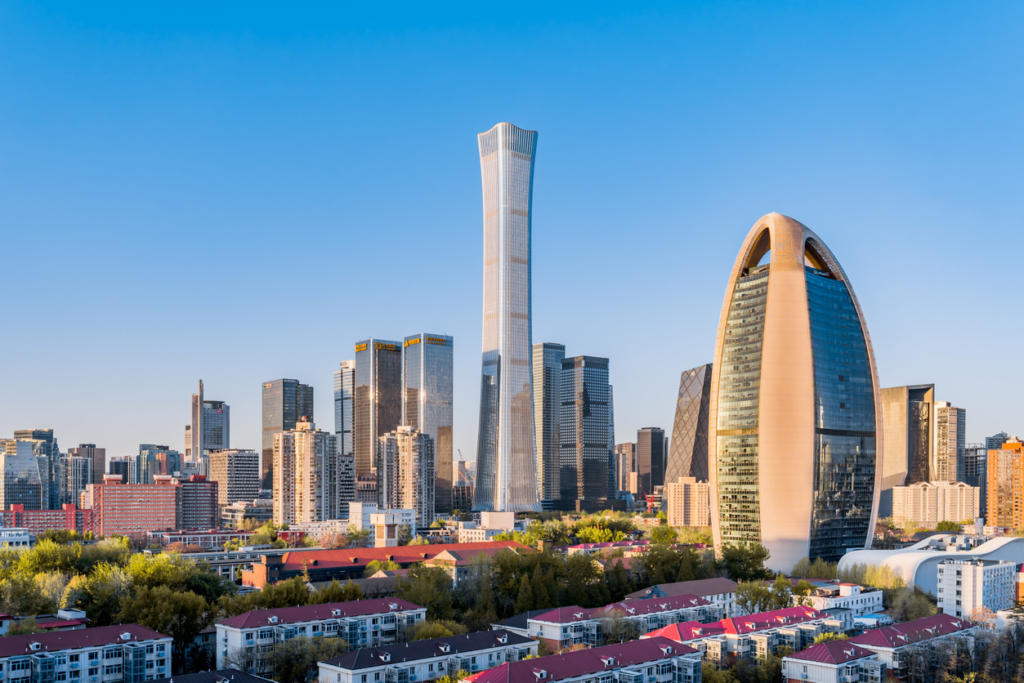
China’s capital leads in scientific research and publications, but its real strength lies in blending technology with cultural life.
Super apps like Alipay and WeChat simplify daily tasks: with one app, you can pay, order food, or translate texts. AI services such as Deepseek and DouBao break down language barriers.
The Apollo robotaxi offers a unique ride: driverless trips around the city that feel both futuristic and safe. Beijing uniquely combines modern tech with rich heritage, making life here both innovative and culturally vibrant.
Seoul
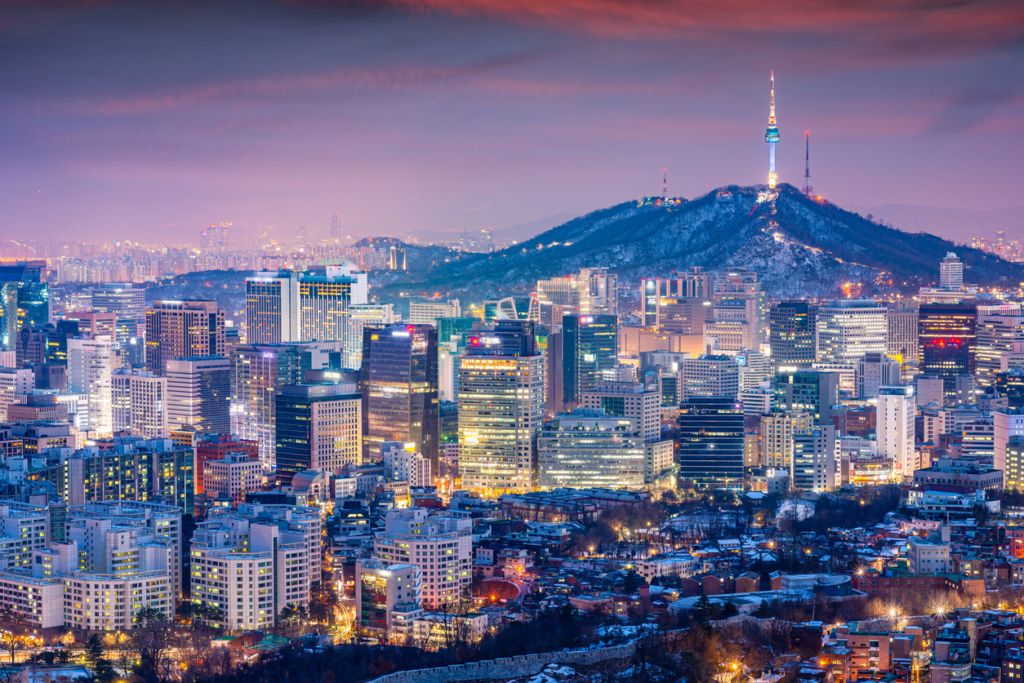
South Korea’s capital leads in innovation and venture capital, with technology deeply integrated into daily life. Digital code-access doors, fully cashless payments, and self-checkout stores show how residents use tech in practical and enjoyable ways.
Visitors can hop on driverless electric buses around Cheongyecheon Stream or shop 24/7 in cashier-free stores where AI monitors inventory and prevents theft. The city’s futuristic infrastructure offers both convenience and awe.
The world’s smartest cities compete not just in economic stats but in quality of life. Whether it’s futuristic drone shows, robotic hotels, or everyday tech innovations, each city offers something unique. Can you imagine your future in one of them?