Many of us start our day with a fresh cup of coffee almost like a ritual, but the leftover coffee grounds often end up in the trash without being reused. What if we turned those coffee grounds into nourishment for our plants? Nature’s amazing resources might just be the best way to boost the health of your green friends.
The Beneficial Ingredients in Coffee Grounds
Coffee grounds contain valuable nutrients that can support your plants’ health. They hold nitrogen, one of the most essential nutrients for plants, which encourages leaf growth and enhances their vibrant green color.
Additionally, coffee grounds include other minerals like phosphorus and potassium, key players in plant development that promote blooming and fruit growth. Their natural acidity can also benefit plants that thrive in more acidic soil.
How to Use Coffee Grounds in Your Garden
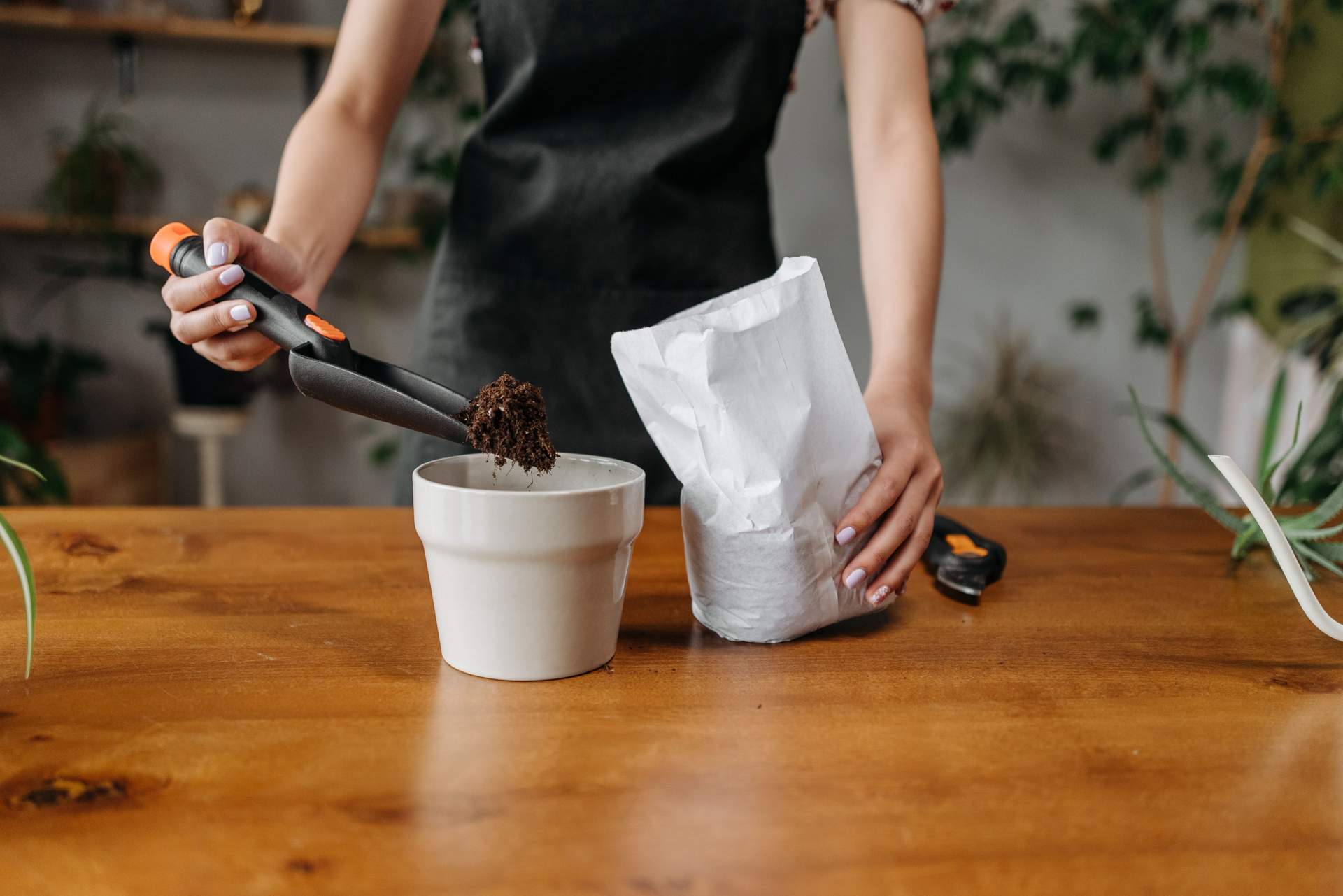
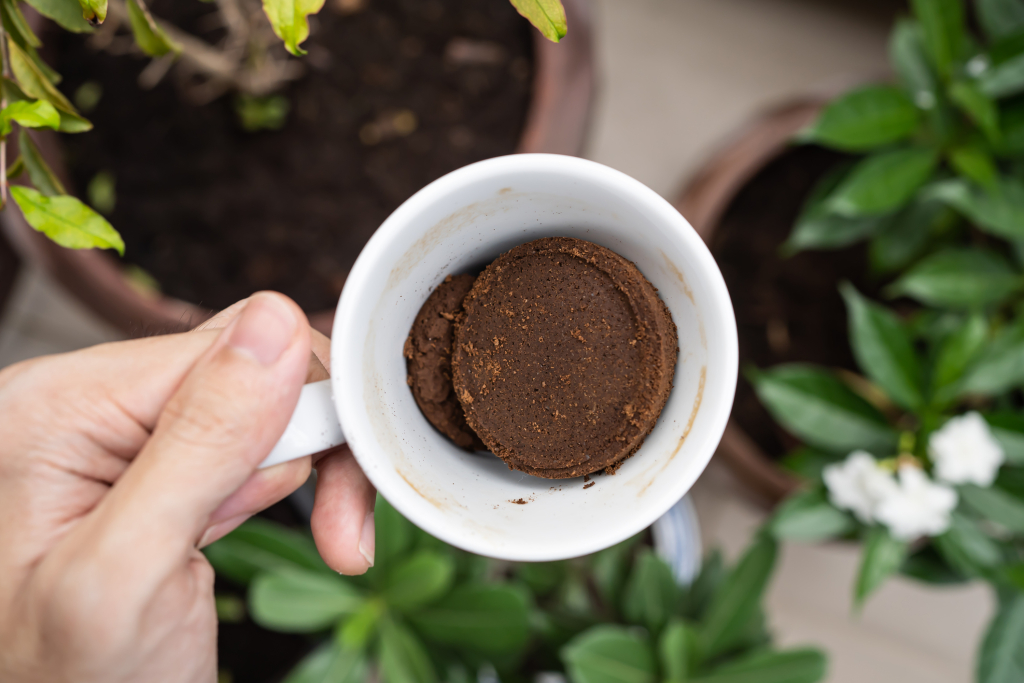
If you decide to feed your plants with coffee grounds, it’s important to use them properly. First, dry fresh grounds to prevent mold growth in the soil. Once dried, sprinkle them evenly on the soil surface and gently work them in to blend with the soil.
Alternatively, mix coffee grounds into your compost where they naturally break down, enriching the compost with nutrients that eventually nourish your plants. Just remember to use them in moderation—too much coffee ground can compact the soil and hinder proper water drainage.
Choosing the Right Plants
Not all plants benefit equally from coffee grounds, so it’s smart to choose carefully where to apply them. Rhododendrons, azaleas, camellias, and hydrangeas love acidic soil and often respond well to coffee grounds.
Vegetables like lettuce and sorrel also thrive with nutrient-rich coffee grounds. Because plants vary, keep an eye on how yours react and adjust accordingly to find what works best.
Potential Pitfalls
While coffee grounds offer many benefits, there are some downsides to consider. Soil-dwelling creatures like earthworms may avoid overly disturbed soil caused by too many grounds, which can affect the soil’s healthy microbial balance.
Also, the acidity of coffee grounds can sometimes be too strong for certain plants or soil types, potentially slowing growth or causing damage. Finding the right balance and regularly monitoring your plants is key to avoiding unwanted effects.
Coffee Grounds as an Eco-Friendly Solution
Today, with growing awareness about sustainability, many of us aim to reduce household waste. Reusing coffee grounds in plant care is not only budget-friendly but also encourages eco-conscious habits.
Using coffee grounds helps cut down on trash and brings us closer to daily routines that benefit the environment long-term. Plus, your garden’s ecosystem can thrive, taking a step toward environmental harmony.