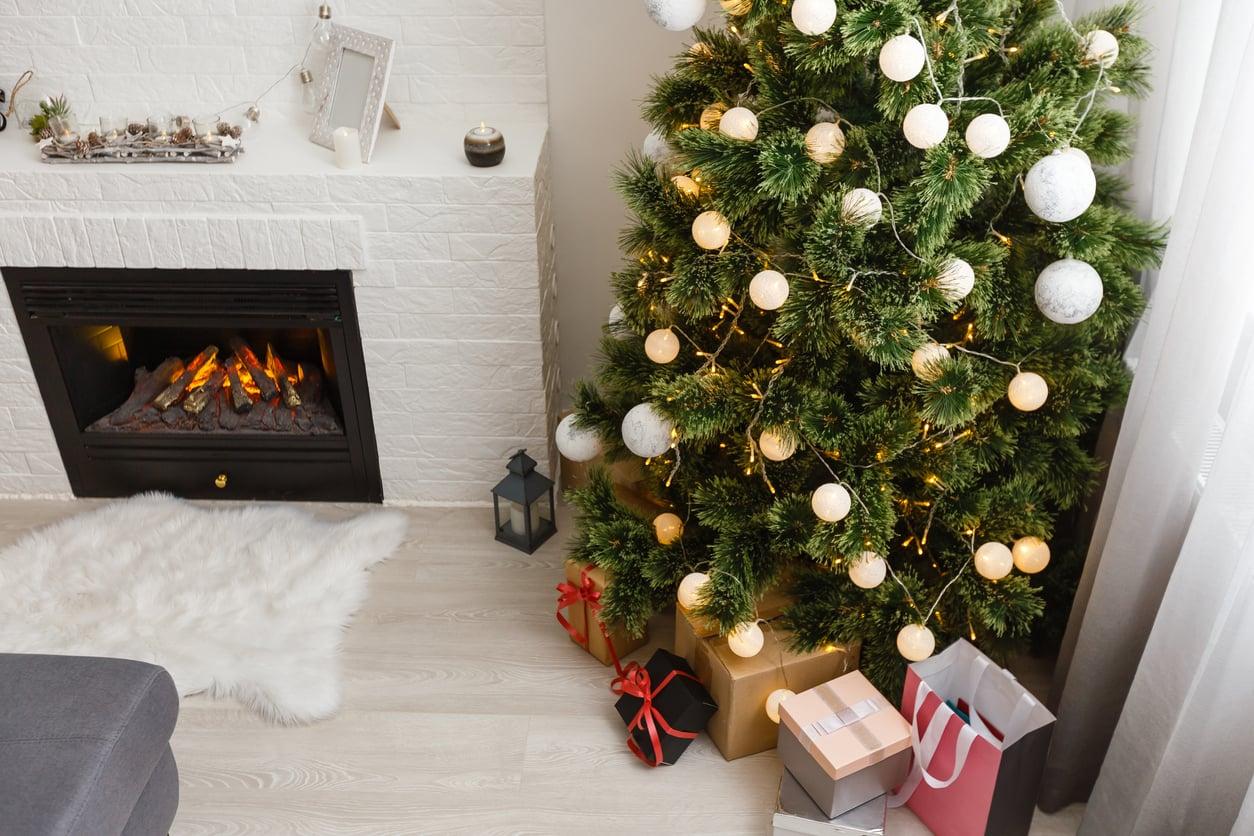
Central Placement Is Ideal
During the holidays, the Christmas tree naturally becomes the social hub for most families, so it’s important to place it somewhere visible and easy to reach.
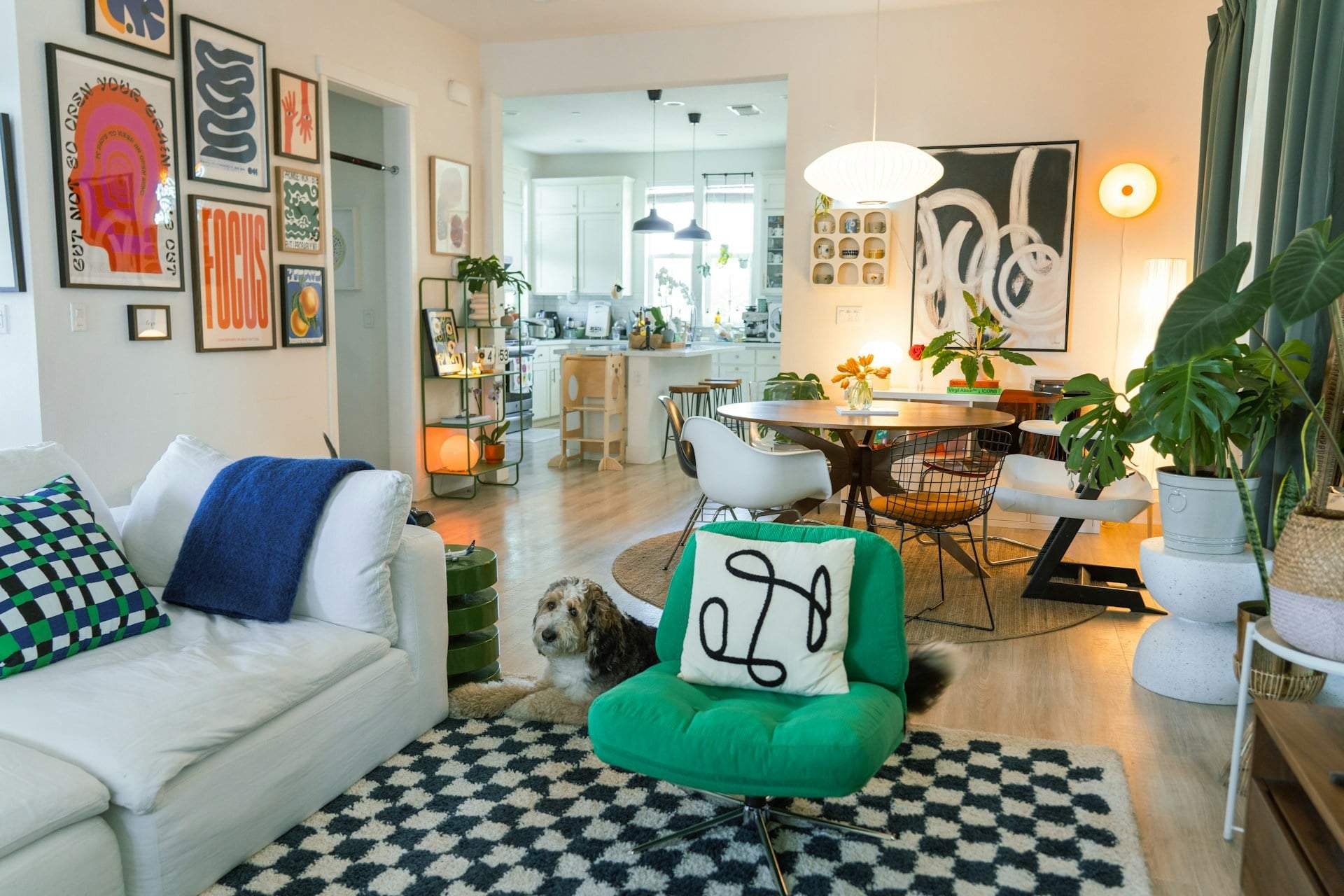
Choose a central spot like the living room or dining area, where family and guests can easily enjoy its beauty.
Interior designers suggest making sure the tree is both attractive and practical—meaning it shouldn’t block free movement or disrupt conversations in the room.
Size Matters
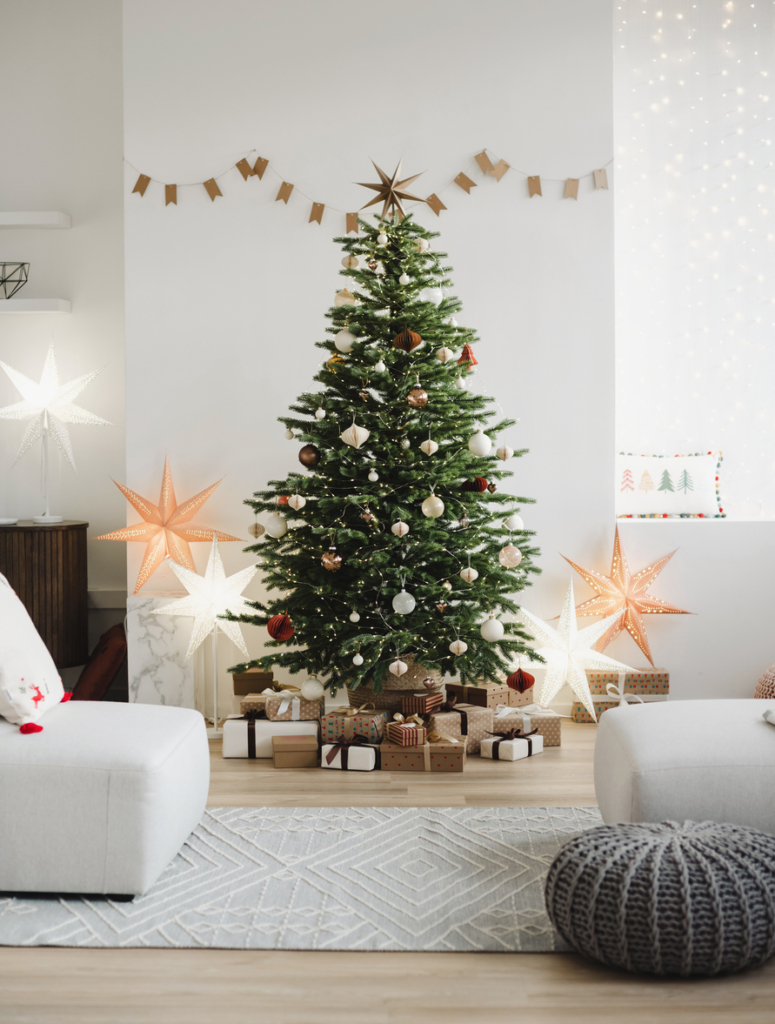
Designers often emphasize considering the room’s other furnishings when placing the tree to keep everything in harmony. Aim for a balanced look where the tree’s size and color blend smoothly with the surroundings.
Avoid trees that are too large or overpowering in small spaces, as they can make the room feel cramped and reduce everyone’s comfort during celebrations.
Light and Shadow
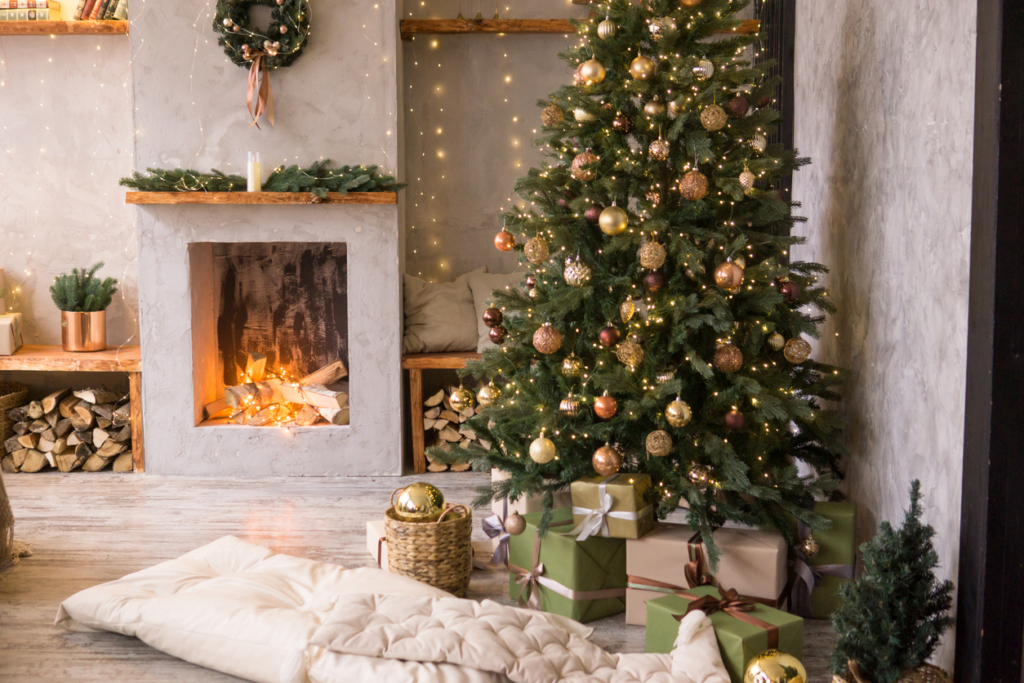
Pay special attention to your tree’s lighting. A well-thought-out spot lets your tree shine in natural daylight, so it doesn’t rely solely on artificial lights.
Placing the tree near a window lets it soak up natural light, making it a stunning sight all day long.
Tree Stability
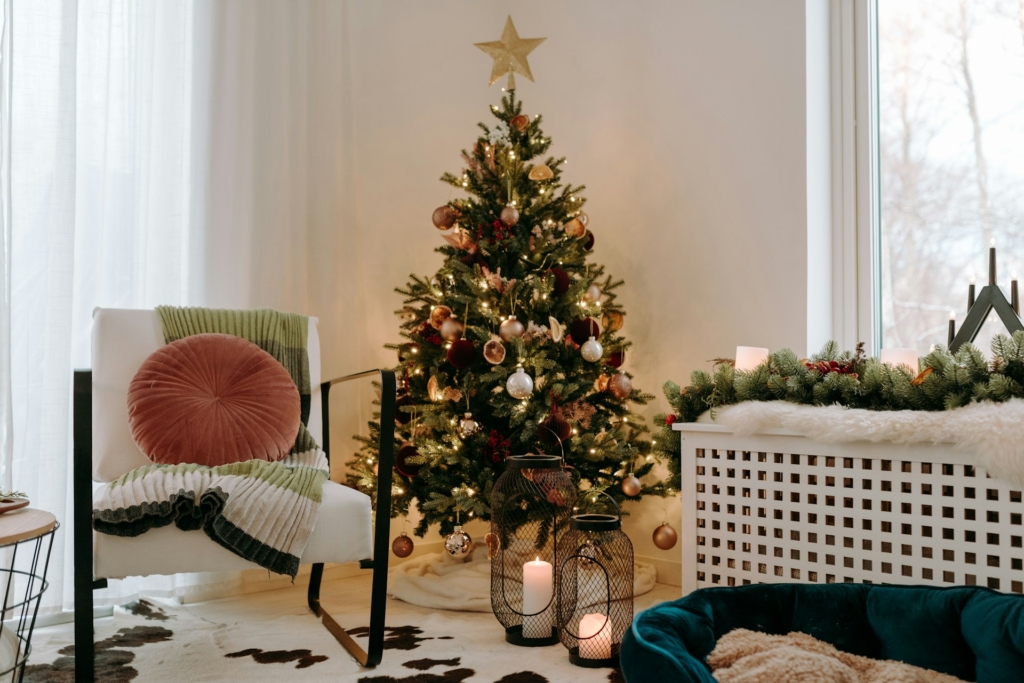
Here’s a crucial tip from designers: think safety as well as style. An unstable tree can topple easily, posing risks to pets, kids, and your decorations.
Make sure your tree is on a securely anchored stand, and keep cords tidy so they don’t pull or tip it over.
Get Creative with Placement
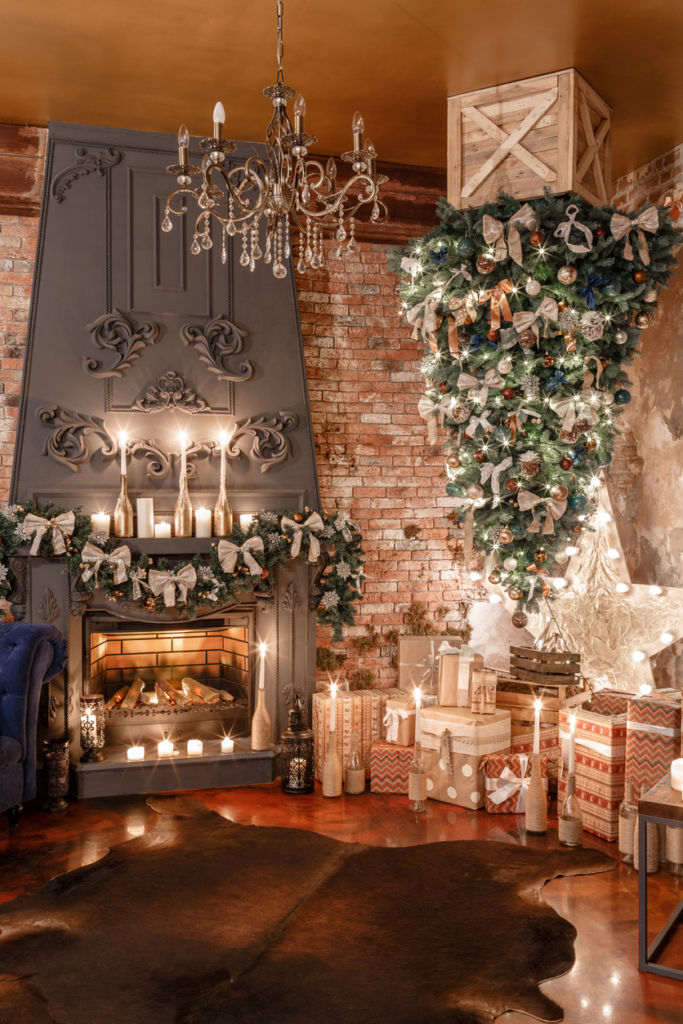
Last but not least, your Christmas tree doesn’t have to sit in the middle of the room. Trendy options like a half tree leaned against the wall or a hanging tree are perfect for small spaces. Designers highlight that these creative ideas not only save space but also add a unique, stylish touch to your holiday decor.