Stop it happening next spring
The fix for next year happens in March, not October. Never store outerwear dirty: perfume, skin oils and invisible food splashes all oxidise over months and become the smell you'll meet on that first cold morning. Clean or air everything thoroughly before it goes away.
Then give it room. Coats crammed shoulder to shoulder have no airflow at all, and a wardrobe packed tight is essentially a sealed box. Leave a finger's width between hangers. Avoid plastic covers, which trap moisture against the fabric; if you want protection from dust, use a breathable cotton cover or an old pillowcase with a slit cut for the hanger hook.
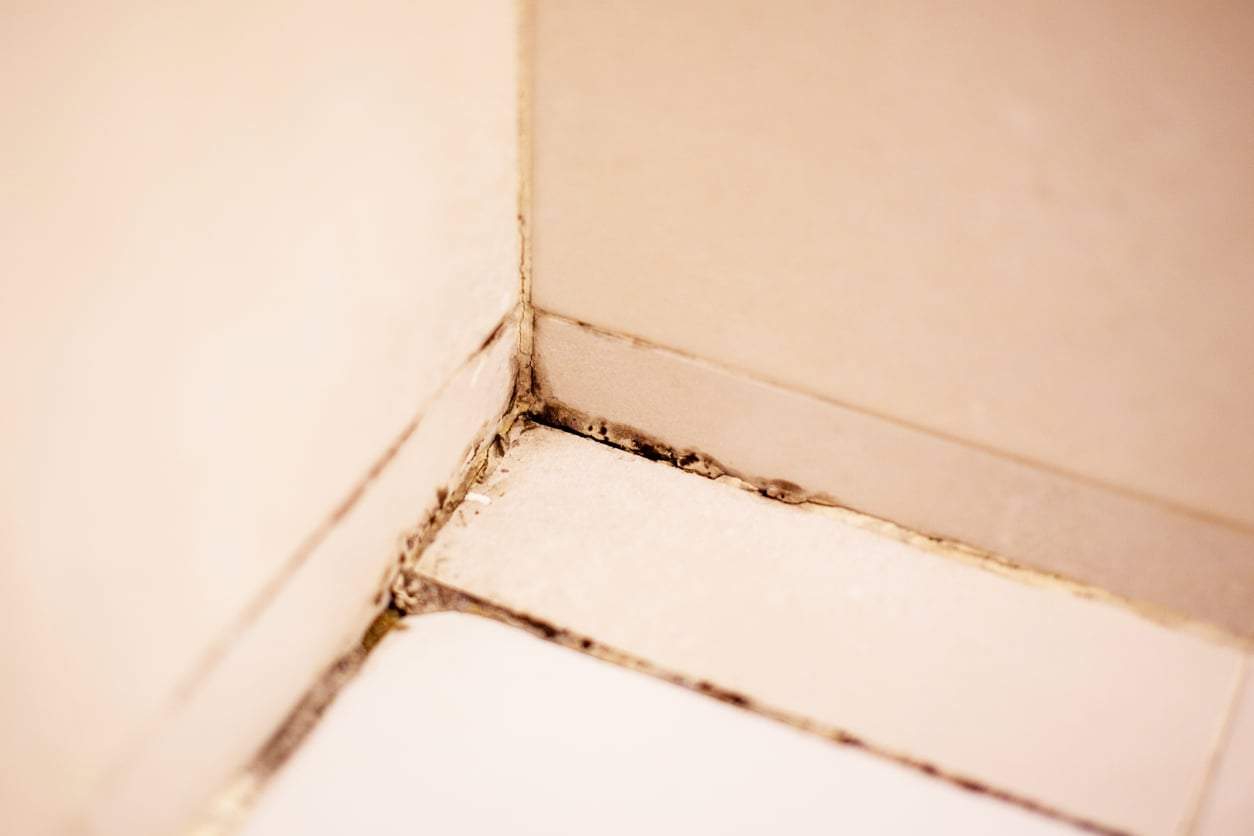
Finally, consider where the cupboard is. An exterior wall, a north-facing room, or a space backing onto a bathroom will all be damper than you think. A small moisture absorber on the cupboard floor, emptied when it fills, does more good than any scented sachet.
Can I just put my coat in the washing machine?
Usually not, and the label is the authority here rather than optimism. Structured wool coats have interfacing, canvas and shoulder padding that distort when soaked and will never quite sit right again, while down and padded coats can wash well but need specific detergent, low agitation and proper drying to stop the filling clumping. Unlined, casual or cotton outerwear is often far more forgiving — check first, and when in doubt, spot-clean and air instead.
Do lavender bags and cedar actually work?
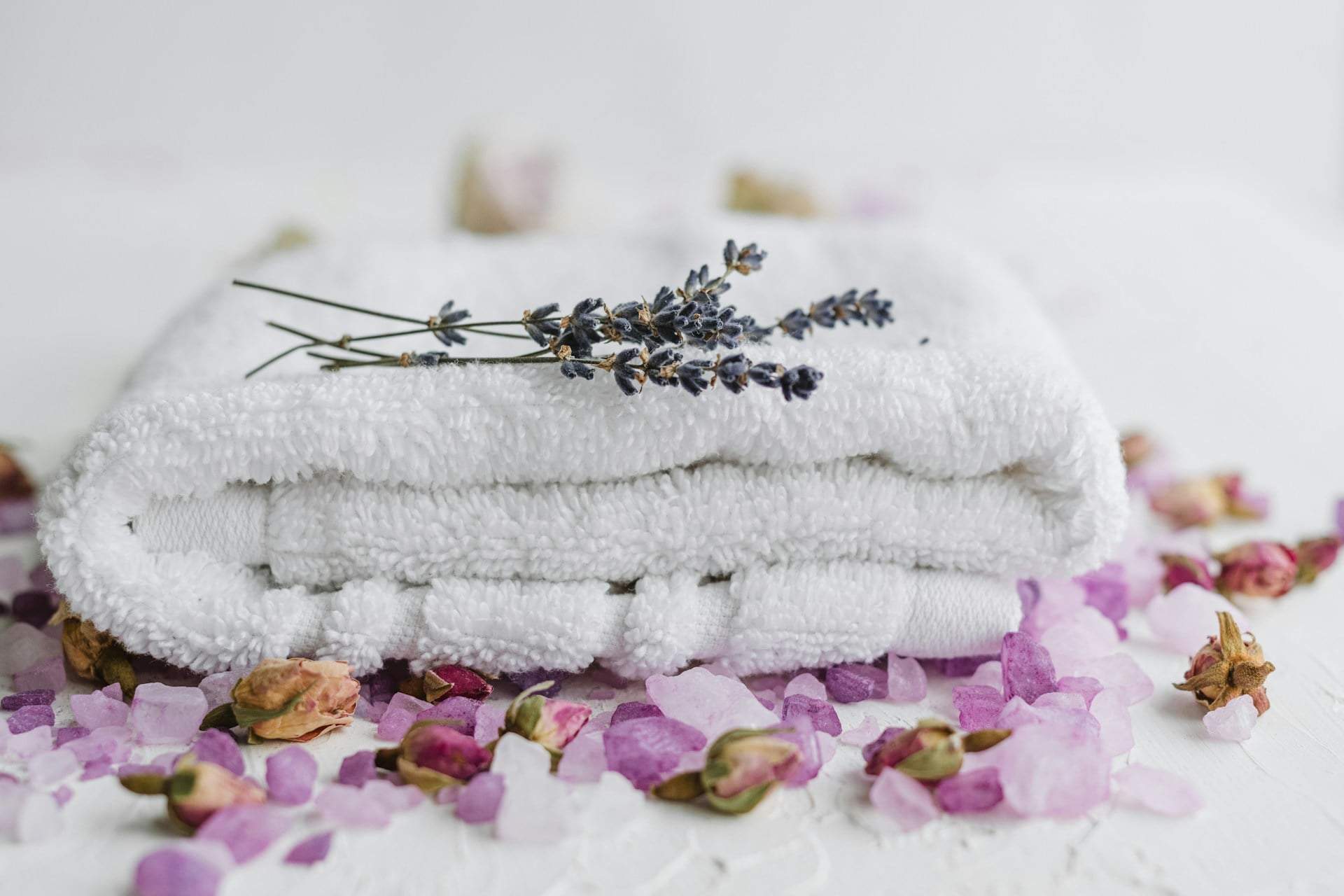
They help, but not in the way most people assume. Cedar and lavender are traditionally used to deter moths rather than to deodorise, and both lose their potency within months unless cedar is lightly sanded and lavender replaced. They are a pleasant finishing touch on a cupboard that is already dry and well-aired — but on a damp, overstuffed wardrobe they simply add a perfume layer on top of the problem.
Get the airflow and the dryness right, and your coats come out of storage smelling of nothing at all. Which, for outerwear, is exactly the goal.