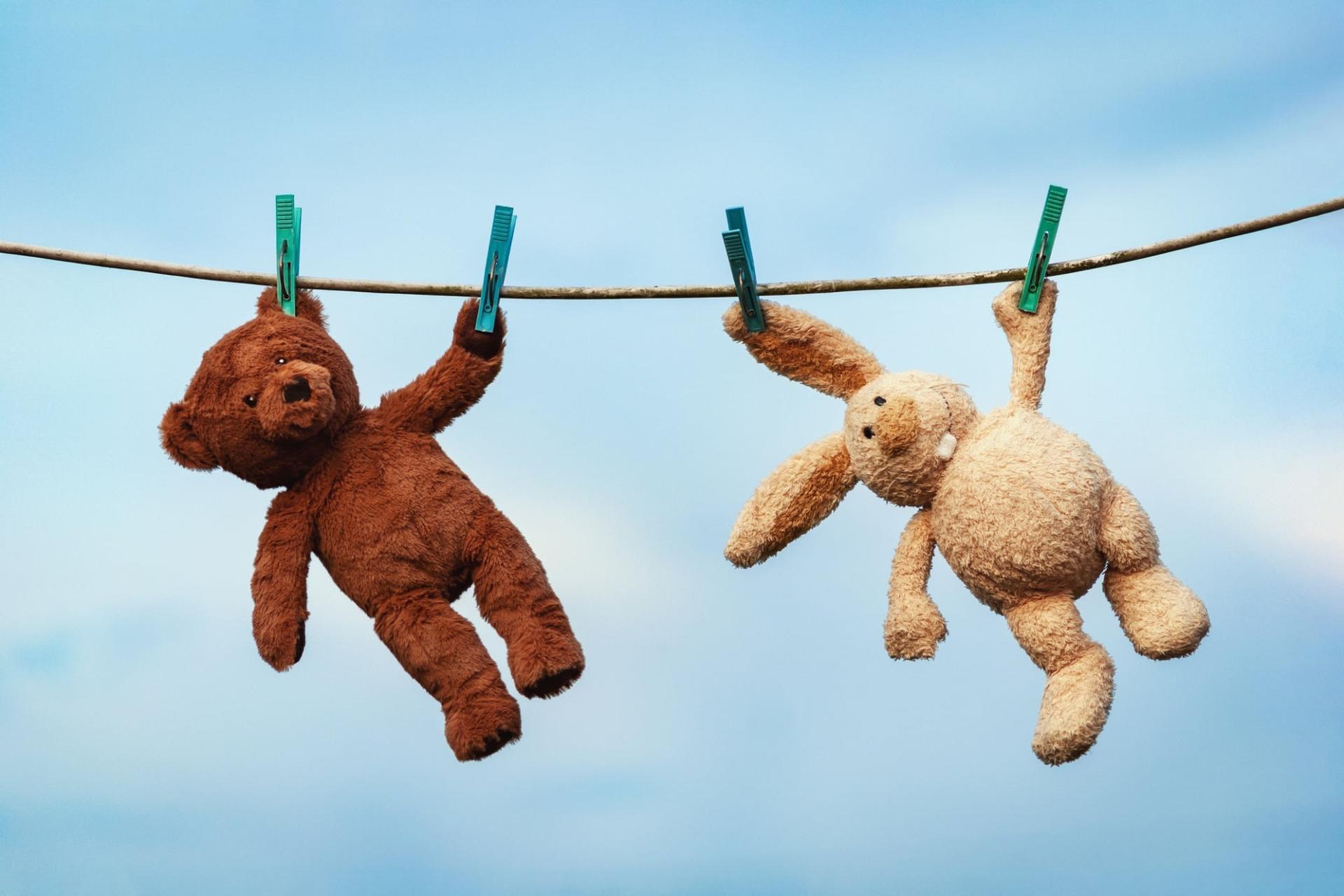
The world of plush animals and soft toys is full of memories, cherished moments from our childhood, and that special touch that brings a smile to our face even after a long day. However, these dear treasures often collect all kinds of dirt, dust, and sometimes even bacteria. Regular washing is therefore not only essential from a hygiene perspective but also significantly extends the lifespan of the toys while preserving their softness and colorful appearance.
When it comes to cleaning plush toys, one of the first steps is to check the tags on the toys. These little tags hold all the important information about the ideal method of cleaning. Different materials and fillings may require different treatment, so it is important to be aware of the particularities of the given plush.
Hand washing, for example, can be a safe way to clean soft toys, especially those not designed for machine washing. In this case, it is advisable to rinse the toy in lukewarm water with a mild detergent, then rinse thoroughly and let it dry completely. This method is particularly recommended if you are dealing with sensitive or antique pieces that you want to protect separately.
Machine Washing
Machine washing is undoubtedly the most convenient way to clean plush animals, provided the toy's tag allows it. In such cases, it is important to wash them at a low temperature, preferably placing them in a laundry bag to protect them from mechanical damage. Choosing the right detergent is also crucial; it is worth selecting an option that is gentle on fabrics.
If possible, use a gentle spin cycle. A spin cycle with too high a speed can deform the toys or damage the seams. When drying plush toys, it is advisable to avoid direct sunlight or intense heat; instead, let them dry in a ventilated, shaded place.
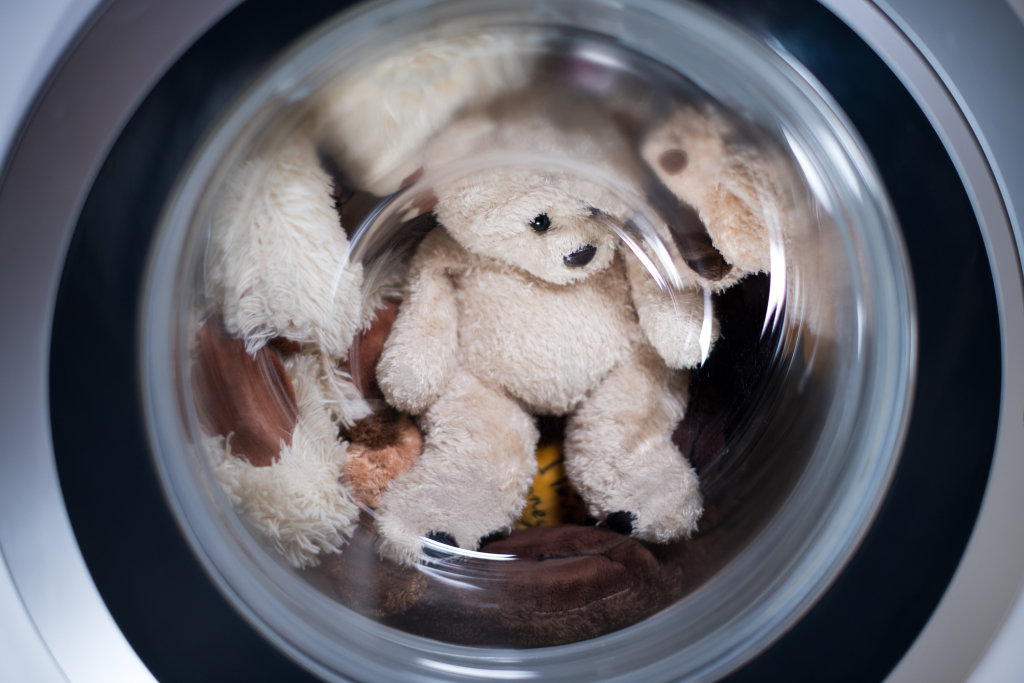
Hand Washing: Saving Old Toys
For antique or particularly valuable plush toys, hand washing is often the safest solution. It is worth vacuuming these pieces first to remove surface dust, then gently cleaning them in lukewarm water with a mild detergent. Make sure not to soak them for too long and rinse the detergent thoroughly.
In some cases, special cleaning agents can be used for particularly sensitive plush materials that preserve the silky soft feel and the integrity of the fibers. Always dry them flat and never try to speed up the drying process with forced drying, as this can cause deformation.
Professional Cleaning: When You Need Expert Help
Although home cleaning methods are usually sufficient for maintaining most plush animals, sometimes professional services may be necessary, especially if the toy is particularly valuable or holds great emotional value. Many cleaning salons offer special services specifically dedicated to cleaning soft toys, where experts take care of them as if they were jewelry.
With these tips, you can ensure that plush toys retain their charm and elasticity for a long time, making shared moments and memories enjoyable. They just need a little more attention and care to bring joy to their owners again.